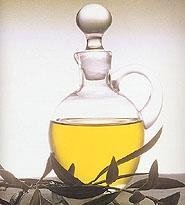
 People at high risk of heart disease or stroke who changed to the Traditional Mediterranean Diet (TMD) showed significant reductions in LDL (bad) cholesterol. Continue reading More benefits of the traditional Mediterranean diet
Category Archives: Heart Disease
Focusing on how black tea might protect from heart disease and stroke
 The UC Berkeley Wellness Letter tells us, “There’s some evidence that tea drinking is associated with a reduced risk of heart attack. But it’s too soon to recommend tea as a way to prevent heart attacks.”
OK, but researchers from the UK have identified 2 possible protective mechanisms. The results are interesting because they go beyond simply stating that tea has “antioxidant” effects. Continue reading Focusing on how black tea might protect from heart disease and stroke
Palliative care for heart disease patients
 People living with heart failure have similar symptoms and levels of depression and spiritual well-being as patients with advanced lung and pancreatic cancer.
Dr. David Bekelman from the University of Colorado Denver School of Medicine thinks, “Perhaps we can do more to reduce [this] burden for heart failure patients.” Continue reading Palliative care for heart disease patients
Tongxinluo: Chinese medicine for unstable angina
 Here’s a summary of the Cochrane review of tongxinluo. Continue reading Tongxinluo: Chinese medicine for unstable angina
Benefits of yoga in patients with heart disease
 Stress is one of the most commonly reported risk factors for cardiovascular disease among the general public and among patients who have had a heart attack.
Now, a study of 33 adults concludes that 1.5 hours of yoga and meditation three times weekly for 6 weeks, with additional sessions at home, has benefits for people with heart disease.
Continue reading Benefits of yoga in patients with heart disease
Wolfsbane: Uses, risks, and admonitions
“The wolfsbane I should dread;
Nor will I dreary rosemarye,
That always mourns the dead;
But I will woo the dainty rose,
With her cheeks of tender red.” …Thomas Hood
Wolfsbane (Aconitum napellus, aconite, monkshood) is sometimes included in herbal remedies to treat inflammation, pain, musculoskeletal problems (eg arthritis), and heart problems. Continue reading Wolfsbane: Uses, risks, and admonitions
Getting “enough” exercise
 It’s the eternal argument: How do we get the benefits while minimizing the risks?
For those of us in middle age, I think this article at USNews.com by Helen Hobson brings reason to the debate. Continue reading Getting “enough” exercise
Ashwagandha causes errors in measured digoxin blood levels
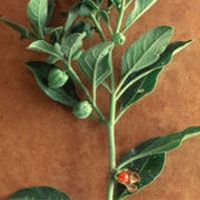 Ashwagandha (Withania somnifera; winter cherry) belongs to the pepper family. The root is used in Indian Ayurvedic medicine as an aphrodisiac, liver tonic, anti-inflammatory agent, and astringent.
People taking digoxin (Lanoxin) should be forewarned that tests to measure digoxin blood levels could be affected by the concurrent use of Ashwagandha, according to a study by researchers from the University of Texas, Houston. Continue reading Ashwagandha causes errors in measured digoxin blood levels
Flaxseed for menopausal symptoms and more
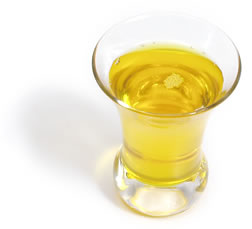 One study reports on flax and flaxseed oil in menopausal women, the second conducts a general review of the literature.
One study is positive; the other is not. Continue reading Flaxseed for menopausal symptoms and more
Hazards of marijuana in heart attack survivors
 OK, you survived your first heart attack.
Smoke pot and you’ll lower your chances of surviving the second “big one.” Continue reading Hazards of marijuana in heart attack survivors
Benefits of hawthorn to treat heart failure
 Professor Ernst and colleagues from the Universities of Exeter and Plymouth in the UK report significant benefit in symptom control and physiologic outcomes from hawthorn extract when included in the treatment for chronic heart failure. Continue reading Benefits of hawthorn to treat heart failure
The pros and cons of folic acid fortification of foods
 Fortifying food, such as wheat and corn flour, with folic acid reduces the risk of spina bifida in babies.
This public health practice was introduced 10 years ago in North America. Now, that practice is being debated in the UK and worldwide. “Are the benefits to the few outweighed by possible harm to some of the many exposed? Continue reading The pros and cons of folic acid fortification of foods
Benefits of omega-3 on heart rate after heart attack
 Atrial fibrillation is an abnormal heart rhythm where the upper chambers of the heart quiver instead of beating normally.
Of course, this is not good for circulating the blood. Continue reading Benefits of omega-3 on heart rate after heart attack
The facts about fish oil and omega-3 fatty acids
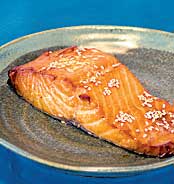 The Canadian Medical Association Journal has published all you really need to know about omega-3 fatty acids and heart health.
And, it took just one page to do it. Continue reading The facts about fish oil and omega-3 fatty acids
More on teaching CAM in medical schools
 Medscape printed an article last year that was critical of CAM and any role it might have in the education of medical students. I summarized it here.
Now, a reasoned reply has been published. Continue reading More on teaching CAM in medical schools
Lowering your blood pressure with soy nuts
 In older adults with high blood pressure, each 20 mmHg increase in systolic (first number) pressure doubles the risk of cardiovascular disease.
Replacing non-soy protein with soy protein in the diet lowers this risk.
Here’s how. Continue reading Lowering your blood pressure with soy nuts
No interaction between danshen and theophylline
 Danshen (Radix Salviae Miltiorrhiza Bge, Salvia Root P.E.) extract is used to treat and prevent heart disease and senility in Asia, according to researchers from China. In some cases, patients might take danshen combined with theophylline (used to treat asthma).
Since they are both metabolized by the same liver enzyme system (CYP1A2), this study was conducted to determine the risk of a drug interaction. Continue reading No interaction between danshen and theophylline
Linolenic acid lowers the risk of peripheral neuropathy in diabetics
 Alpha-linolenic acid is an omega-3 fatty acid found in many vegetable oils, including flaxseed, walnuts, and canola oil.
Researchers from the Centers for Disease Control and Prevention in Maryland reviewed data from the National Health and Nutrition Examination Survey (NHANES). They focused on adults with diabetes who were evaluated for peripheral neuropathy. Continue reading Linolenic acid lowers the risk of peripheral neuropathy in diabetics
Recommended doses of omega-3 fatty acids for heart benefits
Dr. Michael Miller from the University of Maryland Medical Center in Baltimore presents the latest recommendations. Continue reading Recommended doses of omega-3 fatty acids for heart benefits
Effect of prescription omega-3 on triglycerides and coronary heart disease
 Two old acquaintances, Drs. James McKenney and Domenic Sica from Virginia Commonwealth University, have reviewed the evidence. Here’s a summary. Continue reading Effect of prescription omega-3 on triglycerides and coronary heart disease