Dr. David Jenkins and colleagues at St Michael’s Hospital in Toronto have published research showing that diversifying cholesterol-lowering components in the same diet increases the effectiveness of diet as a treatment of high blood cholesterol levels.
A literature review published in the Journal of Alternative and Complementary Medicine found 15 supplements that had been studied for their benefits in preventing or treating coronary heart disease.
According to the researchers from the University of Washington in Seattle…
Researchers from the University of Yamanashi in Japan reviewed studies of soy isoflavones (ie, phytoestrogens [plant estrogens] found chiefly in soybeans) and report “It decreases bone loss in the spine.”
Older adults who follow diets high in omega-6 fatty acids and low in omega-3 fatty acids have higher levels of proinflammatory cytokines — especially when they have coexisting symptoms of depression.
Two omega-3 fatty acids, eicosapentaenoic acid (EPA) and docosahexaenoic acid (DHA) have a number of positive actions against atherosclerosis (hardening of the arteries) and its complications.
An article by the Nutrition Committee of the American Heart Association documents the benefits, with dosing details.
Most studies show that the risk of having a heart attack increases as blood levels of C-reactive protein (CRP) get higher. In fact, in any group of people the risk for heart attack is twice as high for those in the upper third of CRP levels compared to those whose CRP is in the lower third.
This study shows that taking about 30 grams of fiber per day can significantly lower blood levels of CRP.
As summarized here, JELIS is the acronym for “Japan EPA Lipid Intervention Study.” It showed that adding eicosapentaenoic acid (EPA) — an active component of omega-3 fatty acids — to low-dose statin therapy lowered the risk for certain major problems involving the heart.
The Women’s Health Initiative Observational Study reports “Panic attacks are relatively common among postmenopausal women and appear to be an independent risk factor for cardiovascular morbidity and mortality in older women.”
Baicalin (Chinese skullcap) comes from Scutellaria baicalensis Georgi. This anti-inflammatory herbal is used in traditional Chinese medicine to treat cancer, liver disease, allergies, skin conditions, and epilepsy. Rosuvastatin (Crestor) is a member of the stain class of drugs used to lower LDL (bad) cholesterol. Continue reading Herb-drug interaction between baicalin and rosuvastatin→
Three criteria determine drug reimbursement decisions: therapeutic value, cost effectiveness, and burden of disease. Now, an article from Erasmus University in The Netherlands questions whether it’s sufficient for a drug to meet these criteria, and proposes a 4th hurdle.
High concentrations of homocysteine in the blood (hyperhomocysteinemia) have been linked to an increased risk for cardiovascular (CV) disease for almost 40 years!
Danshen (Salvia miltiorrhiza) is used in traditional Chinese medicine (TCM) to treat stroke, as well as heart disease, atherosclerosis, and blood clotting abnormalities.
 Eicosapentaenoic acid (EPA) from fish oil lowers triglyceride levels.
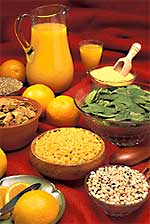 Dr. David Jenkins and colleagues at St Michael’s Hospital in Toronto have published
 Researchers from the University of Yamanashi in Japan reviewed studies of soy isoflavones (ie, phytoestrogens [plant estrogens] found chiefly in soybeans) and report “It decreases bone loss in the spine.”
 Older adults who follow diets high in omega-6 fatty acids and low in omega-3 fatty acids have higher levels of proinflammatory cytokines — especially when they have coexisting symptoms of depression.
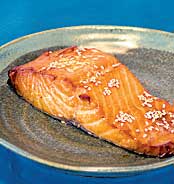 Two omega-3 fatty acids, eicosapentaenoic acid (EPA) and docosahexaenoic acid (DHA) have a number of positive actions against atherosclerosis (hardening of the arteries) and its complications.
 Most studies
 Hormone replacement therapy may increase breast cancer and cardiovascular disease risk in menopausal women. But what is the effect of black cohosh extract — a popular alternative for reducing menopausal symptoms?
 Researchers from the Royal Hallamshire Hospital in Sheffield, UK
 A clinical study and an FDA report look to more informed dietary decisions as a pathway to better health.
 The report appears on the Mayo Clinic
 Three criteria determine drug reimbursement decisions: therapeutic value, cost effectiveness, and burden of disease. Now, an
 High concentrations of homocysteine in the blood (hyperhomocysteinemia) have been linked to an increased risk for cardiovascular (CV) disease for almost 40 years!
 Danshen (Salvia miltiorrhiza) is used in traditional Chinese medicine (TCM) to treat stroke, as well as heart disease, atherosclerosis, and blood clotting abnormalities.