Category Archives: Heart Disease

Recommendations for taking omega-3 fatty acids

Omega-3 fatty acids benefit the heart of healthy people, and those who are at high risk of heart disease or already have it. And I suppose when it becomes a prescription drug, it’s no longer complementary but integrated into mainstream medicine.

So, here’s one last (maybe) entry on N-3 PUFA (omega-3) taken from the American Heart Association (AHA).
Continue reading Recommendations for taking omega-3 fatty acids →

Transcendental meditation for heart disease

An article in the Archives of Internal Medicine reports that trancendental meditation (also known as TM) may alter the physiological response to stress and improve risk factors in patients with coronary heart disease. In this randomized, placebo-controlled clinical trial, 16 weeks of TM or active control treatment (health education) resulted in improved blood pressure and insulin resistance (two components of the metabolic syndrome) among patients using TM.

Continue reading Transcendental meditation for heart disease →

Lead: More toxic than we thought

In addition to Ayurvedic medicines, certain traditional or folk medications used in East Indian, Middle Eastern, West Asian, and Hispanic cultures contain lead. The “logic” supporting the addition of lead to medicine was summarized in an earlier post.

Now it’s reported that lead is more toxic than we thought. People with lead blood levels well below those previously considered safe (less than 10 mcg/dL) are at increased risk for heart attack and stroke.

How great is the risk?

Continue reading Lead: More toxic than we thought →

DHEA quality control questioned

“The main voices in favor of DHEA as a miracle drug are those who are selling it or who make a good living selling books or programs advocating ‘natural cures’.” That’s the conclusion from the Skeptics Dictionary. But look for yourself, and you will agree.
Here is another reason to be skeptical of DHEA [dehydroepiandrosterone].

Continue reading DHEA quality control questioned →

Omega-6: “The Queen of Fats”

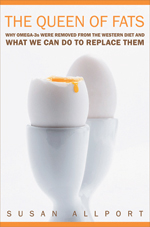
A new book by medical writer, Susan Allport, contends that a little-known family of polyunsaturated fatty acids called omega-6s has permeated the Western diet and nullified the impact of heart disease-fighting omega-3s. You will probably hear more about this book, “The Queen of Fats,” over the next few weeks.
How do these two essential fatty acids compare? Here are some highlights according to the University of Maryland Medical Center website.

Continue reading Omega-6: “The Queen of Fats” →

New complementary goals for patients with heart disease

The latest recommendations for the routine care of people with pre-existing cardiovascular disease were published last month in the Journal of the American College of Cardiology.

If you have coronary heart disease, here is what you can expect to hear from your primary care physician or cardiologist.

The new goals of complementary therapies

Continue reading New complementary goals for patients with heart disease →

Omega-3 fatty acids better than defibrillators to prevent sudden death!

For this study, researchers created a computer-simulated community of 100,000 people that resembled the population of Olmsted County, Minnesota, in 2000.

By raising omega-3 fatty acid levels among all the Olmsted cyber-citizens, the researchers estimated that the overall death rate could be reduced 6.4%. By contrast, automated external defibrillators (AEDs) reduced death rates by 0.8%, and implanted defibrillators reduced deaths by 3.3%.

Don’t laugh. Computer-simulated research could be the next big thing, especially where the cost of healthcare is concerned.

For example?

Continue reading Omega-3 fatty acids better than defibrillators to prevent sudden death! →

Nattokinase and blood clots

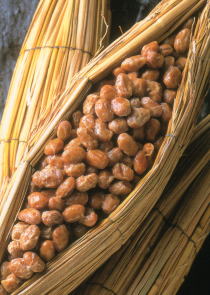
Nattokinase is promoted as a safe anticlotting agent. An email I received this morning described it as perhaps “among the most powerful of all methods to improve your heart health.” The source of nattokinase is natto, a vegetable cheese-like food made from fermented soybeans.
The story is similar to other “miracle” treatments from the orient ? except for the part about the horses. The Japanese have eaten natto for a thousand years. They have a lower prevalence of heart disease. And western drugs are poison.

Oops, I almost forgot. “Ancient Samurai … fed it to their horses to increase their speed and strength.”

Here’s what I found.

Continue reading Nattokinase and blood clots →

Cyclosporine, herbals, and immunosupressive therapy

Cyclosporine (Sandimmune, Neoral) is used to prevent organ rejection following kidney, liver, and heart transplants. It may also be used to treat chronic rejection in patients previously treated with other immunosuppressive agents.

The information in this article should be valuable for people taking cyclosporine for its immunosuppressant effect, and for pharmacists and other healthcare professionals who are monitoring this therapy.

Interactions between cyclosporine and St. John’s wort and rosemary are discussed. In addition, it reviews the purported immunostimulating effects of certain herbals and herbal medicines that are potential nephrotoxins.

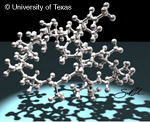
Illustration: University of Texas

8/11/06 20:38 JR

Studying the effects of plant extracts on the metabolic syndrome

Even as researchers debate its importance, the NIH has awarded an $8 million, five-year grant to evaluate the effects of plant extracts on the metabolic syndrome. Researchers from Rutgers University and the Pennington Biomedical Research Center will grow the plants, determine their active components, and conduct clinical trials.

Here’s some background on the metabolic syndrome and the growing controversy about its relevance.

Continue reading Studying the effects of plant extracts on the metabolic syndrome →

Coffee drinking and diabetes

The results of two studies indicate that coffee drinking reduces the risk of type 2 diabetes.

In the most recent publication, coffee intake, especially decaffeinated, was inversely associated with the risk of type 2 diabetes mellitus. The study was conducted in a group of more than 28,000 postmenopausal women, with no evidence of diabetes or heart disease at the start of the study, who were followed for 11 years. When compared with women who did not drink coffee, those who consumed 6 or more cups per day had a 22% lower risk of diabetes.

These results support an earlier study of more than 17,000 Dutch men and women where those who drank at least 7 cups of coffee each day had half the risk of developing type 2 diabetes compared with those who drank 2 cups per day.

Let’s place these results in perspective. Six cups of coffee is a lot of coffee. Coffee drinking is also associated with higher cholesterol levels, increased risk of heart disease, and rheumatoid arthritis.

As an alternative, walking briskly for 30 minutes five times a week can reduce your risk of developing diabetes by half. In addition, eating smaller, more frequent meals, with emphasis on foods that break down slowly, also slows the progression to diabetes.

Illustration: Just Coffee

7/9/06 22:24 JR