About 23% or 62 million Americans have some form of cardiovascular disease (CVD; eg, heart disease, stroke, atherosclerosis, coronary heart disease, angina, coronary artery disease, high blood pressure, or heart failure).
The Women’s Antioxidant Cardiovascular Study concluded, “There were no overall effects of ascorbic acid [vitamin C], vitamin E, or beta carotene on cardiovascular events among women at high risk for CVD.”
The report by the University of Alberta Evidence-based Practice Center (UAEPC) after reviewing the published literature on meditation practices for health were published here and discussed here.
The authors found so many flaws in the design of the studies that “conclusions on the effects of meditation practices in healthcare cannot be drawn based on the available evidence.” The report was funded by the NIH Agency for Healthcare Research and Quality (AHRQ). Continue reading Experts respond to the negative AHRQ report on meditation→
Sleep apnea occurs when people fail to breath while sleeping. Untreated, it can cause high blood pressure and other cardiovascular disease, memory problems, weight gain, impotency, and headaches.
Continuous positive pressure breathing (CPAP) is effective treatment. But it’s uncomfortable to use (photo).
Schisandra sphenanthera (Nan Wu Wei Zi, lemon-wood) is “commonly used in Chinese herbalism, where it is considered to be one of the 50 fundamental herbs.” I found no clinical study in humans to support the many claims for this Chinese herbal medicine.
Researchers from the Medical University of Vienna reviewed and reanalyzed the results from 25 studies of the treatment of the climacteric syndrome (menopause).
Heartwire reports, “high-risk patients who have survived a first MI [myocardial infarction] can reduce their risk of subsequent cardiovascular events by eating either a Mediterranean-style diet or the low-fat diet recommended by the AHA [American Heart Association], with no differences in risk reduction between the two diets.” Continue reading Comparing 2 heart-healthy diets→
A study from the University of Pennsylvania reports that transcendental meditation (TMed) “can be effective in improving the quality of life and functional capacity of African American CHF [congestive heart failure] patients.”
Transcendental Meditation is a frequent source of heated debate. Just check out the entry on Wikipedia. It’s a positive read except that much of it is contested. Such is the risk of the “free encyclopedia.” Robert Todd Carroll has a more skeptical view of TM.
Anyway, with that in mind, here’s a study of the effectiveness of transcendental meditation on functional capacity and quality of life of African Americans with congestive heart failure.
Omega-3 fatty acid consumption has been linked to reductions in the risk of death from heart disease.
Now, researchers from the University of Missouri-Kansas City School of Medicine report that omega-3 acts directly on the heart rather than acting through the vagus nerve, which normally regulates the heart rhythm.
High blood levels of the amino acid called homocysteine are thought to increase the risk for heart disease by damaging the lining of blood vessels and increasing blood clotting.
Despite this, the American Heart Association doesn’t recommend widespread use of folic acid to lower homocysteine blood levels.
 About 23% or 62 million Americans have some form of cardiovascular disease (CVD; eg, heart disease, stroke, atherosclerosis, coronary heart disease, angina, coronary artery disease, high blood pressure, or heart failure).
 The report by the University of Alberta Evidence-based Practice Center (UAEPC) after reviewing the published literature on meditation practices for health were published
 Yes, there’s an association. And it doesn’t seem to matter whether the soda pop you drink is “regular” or diet.
 Sleep apnea
 Schisandra sphenanthera (Nan Wu Wei Zi, lemon-wood) is “commonly
 Researchers from the Medical University of Vienna reviewed and reanalyzed the
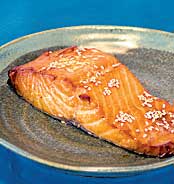 Over 3 decades, the potential health benefits of omega-3 polyunsaturated fatty acids have been studied, debated, and explained.
 Remote access to patients with chronic heart failure (by telephone or telemonitoring) has a positive effect on health and wellbeing.
 In people with advanced congestive heart failure (CHF) WS 1442 (aka, hawthorn) does not change the
 Since we don’t synthesize trans fatty acids, any amount found in red blood cells was put there as a result of dietary choices.
 Transcendental Meditation is a frequent source of heated debate. Just check out the