Only a third of patients with depression respond fully to antidepressant drugs, and little evidence exists regarding the best next-step treatment for patients with resistant symptoms.
Psychosocial factors are associated with increased risk of cardiovascular disease morbidity and mortality, but the effects of psychosocial factor treatment on heart disease are uncertain.
In the past few years this weblog has published dozens of entries on cognitive behavioral therapy (CBT). Therefore, it’s a good time to define and distinguish between these psychological treatment options.
Emily Matthews, a reader of this blog, provides this overview of depression and complementary treatment options.
About 20 million Americans suffer from clinical depression. Low levels of serotonin, a neurotransmitter, are thought to contribute to depression. Depression is also associated with diseases like diabetes, heart disease, chronic pain, hormonal imbalance, hypoglycemia, stress, impaired thyroid function, environmental toxins, and unhealthy lifestyles. Continue reading CAM options for treating depression→
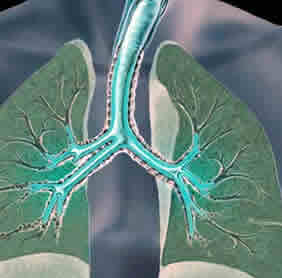
Dyspnea (difficulty breathing) is a cardinal symptom of chronic obstructive pulmonary disease (COPD). Its severity and magnitude increase as the disease progresses, leading to significant disability and a negative effect on quality of life.
Joshua Knabb at Philhaven Hospital, in Mount Gretna, Pennsylvania tells us centering prayer overlaps with mindfulness-based cognitive therapy, which makes it a suitable treatment alternative for many Christians in remission from depression.
It’s believed that early intensive behavioral and developmental interventions foryoung children with autism spectrum disorders (ASDs) may enhancedevelopmental outcomes.
 Only a third of patients with depression respond fully to antidepressant drugs, and little evidence exists regarding the best next-step treatment for patients with resistant symptoms.




 In the past few years this weblog has published dozens of

 Some are effective, some are promising,