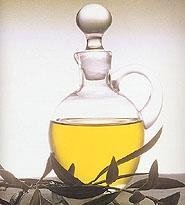
 Researchers from Florence, Italy tell us if it changes the risk of death and the occurrence of Parkinson’s or Alzheimer’s diseases. Continue reading Mediterranean diet and the risk of death and disease
Category Archives: Heart Disease
Pistachios and risk factors for heart disease
 Â Eating nuts lowers cardiovascular disease risk.
But what about pistachios? Continue reading Pistachios and risk factors for heart disease
The real value of the DASH diet
 The Dietary Approaches to Stop Hypertension (DASH) diet lowers blood pressure, But what is the effect on stroke and coronary heart disease?
Here’s an estimate from research reported during the American Heart Association 2007 Scientific Sessions and published on Medscape. Continue reading The real value of the DASH diet
Objective benefit with tai chi in chronic heart failure
 The data supporting benefits from tai chi in people with heart failure are growing.
Here’s the latest. Continue reading Objective benefit with tai chi in chronic heart failure
Omega-3 for heart failure
 Researchers from across Italy, the GISSI (Gruppo Italiano per lo Studio della Streptochinasi nell’Infarto Miocardico) investigators, report that omega-3 fatty acids improved morbidity and mortality in patients with symptomatic heart failure. Continue reading Omega-3 for heart failure
The benefits of knowing that you are exercising
 Dr. Lisa Terre from the University of Missouri-Kansas City has published a review of the importance of physical activity counseling.
It turns out that greater cardio benefits occur among people who are aware that their activity is doing their body good. Continue reading The benefits of knowing that you are exercising
Protection from heart attack with alpha-linolenic acid
Among omega-3 fatty acids, alpha-linolenic acid (ALA) is converted to eicosapentaenoic acid (EPA), and docosahexaenoic acid (DHA), which are most readily used by the body.
Researchers from Harvard School of Public Health in Boston show an association between raising the intake of ALA and lowering heart attacks. Continue reading Protection from heart attack with alpha-linolenic acid
Why is exercise good for people with heart disease?
It’s axiomatic that exercise benefits your heart. Unless you have a note from your doctor, there’s no excuse to be inactive.
But what does exercise actually do that’s good for your heart?
Continue reading Why is exercise good for people with heart disease?
Inability of soy to lower LDL cholesterol
 Importantly, we are referring to people with mildly elevated cholesterol blood levels in this study by Australian researchers. Continue reading Inability of soy to lower LDL cholesterol
Interference by ginseng with a new digoxin immunoassay
 Asian ginseng, Siberian ginseng, and the Indian Ayurvedic medicine Ashwagandha interfere with serum digoxin measurements obtained with commonly used fluorescent immunoassay tests.
Abbott Laboratories has marketed an alternative digoxin immunoassay, Digoxin III. Researchers at the University of Texas Health Sciences Center at Houston report on the risk of getting inaccurate digoxin levels in patients who take digoxin and one of these herbals at the same time. Continue reading Interference by ginseng with a new digoxin immunoassay
Eating fatty fish and the risk of atherosclerosis
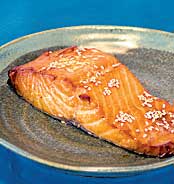 The results from this study suggest that diet, rather than genetics, accounts for the two-fold lower coronary heart disease mortality in Japan than in the US. Continue reading Eating fatty fish and the risk of atherosclerosis
The omega-3 primer
The University of Maryland website has a review of omega-3 fatty acids.
Here are the essentials
Vitamin D research for 2008
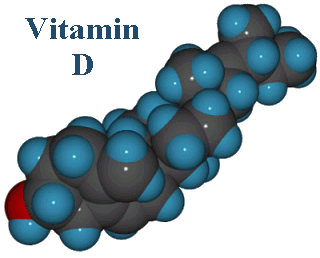 There’s so much interest in vitamin D it could use its own blog.
Here’s what I found for the first half of 2008. Continue reading Vitamin D research for 2008
Historical perspective on flavonoids
Dietary sources of flavonoids in Western societies include onions (flavonols); cocoa (proanthocyanidins); tea, apples, and red wine (flavonols and catechins); citrus fruit (flavanones); berries and cherries (anthocyanidins); and soy (isoflavones).
Here’s how far we’ve come. Continue reading Historical perspective on flavonoids
Stress, heart disease, and what to do about it
 Research published in the Archives of Internal Medicine shows that psychosocial factors, such as cynical distrust, chronic stress, and depression are associated with higher blood levels of C-reactive protein (associated with acute inflammatory reactions), interleukin-6 (stimulates an immune response to tissue damage), and fibrinogen (causes blood to clot).
All are related to an increased risk of heart disease.
What can we do about this?
Continue reading Stress, heart disease, and what to do about it
Effect of Xuezhikang after a heart attack
Xuezhikang (XZK) is an extract from red yeast Chinese rice.
In this study by the Chinese Coronary Secondary Prevention Study Group, Chinese patients with heart disease taking XZK had fewer heart complications. Continue reading Effect of Xuezhikang after a heart attack
Mediterranean diet and diabetes risk
You guessed it.
The risk is lower among those who follow the traditional Mediterranean diet — rich in olive oil, vegetables, fruits, nuts, cereals, legumes, and fish but relatively low in meat and dairy products, according to researchers in Spain. Continue reading Mediterranean diet and diabetes risk
NICE says no to cholesterol-cutting foods
“People should not routinely be recommended to take plant sterols and stanols for the primary prevention of cardiovascular disease (CVD).”
That’s the word from the London-based National Institute for Clinical Excellence (NICE). Continue reading NICE says no to cholesterol-cutting foods
Yoga benefits in heart failure reported
 Among other things, yoga improved exercise tolerance, according to this study from Georgia State University in Atlanta. Continue reading Yoga benefits in heart failure reported
Red yeast rice review
 Dr. Désirée Lie from the University of California in Orange has reviewed the evidence.
Here are the highlights. Continue reading Red yeast rice review