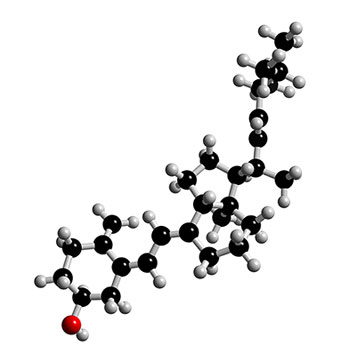
 Dr. Christine Gonzalez from Los Angeles, California, has written a thorough review of vitamin D.
Let’s focus on the actions of vitamin D thought to contribute to disease prevention. Continue reading Mechanisms underlying the actions of vitamin D
Dr. Christine Gonzalez from Los Angeles, California, has written a thorough review of vitamin D.
Let’s focus on the actions of vitamin D thought to contribute to disease prevention. Continue reading Mechanisms underlying the actions of vitamin D
Dr. Sandra Fryhofer, at Emory University School of Medicine, in Atlanta, Georgia, reviews the latest recommendations from the Institute of Medicine (IOM). Continue reading Latest vitamin D recommendations for bone health
 Dr. Mary Tinetti of Yale University School of Medicine in New Haven, Connecticut tells us “Falls are one of the most common health problems experienced by older adults and are a common cause of losing functional independence.” The American Geriatrics Society (AGS) recommends that healthcare professionals use their guidelines as a routine part of healthcare for the elderly. Continue reading Reducing the risks of falls in the elderly
 Dr. Désirée Lie’s post on Medscape reviews nopal (prickly pear cactus), fenugreek, cinnamon, and Gymnema.
Here are the highpoints. Continue reading Herbs and dietary supplements for diabetes control
 Following a diet that is moderately rich in carbohydrates and dietary fiber, and with a low glycemic index improves cholesterol levels in patients with type 2 diabetes, according to researchers at Federico II University, in Naples, Italy. Continue reading Benefits of a Mediterranean type diet in diabetic people
 ConsumerLab.com found defects in over 30% of the multivitamins selected for review. Continue reading Are you getting your nutrients from your multivitamin supplement?
ConsumerLab.com reports that their tests of fish oil, krill oil, and algal oil supplements revealed quality problems. Continue reading Omega-3 from fish, algae, and krill
 Researchers at Pennsylvania State University College of Medicine, in Hershey, studied the response to including whole-grain foods in a hypocaloric (reduced by 500 kcal/day) diet. Continue reading Benefits of a whole grain-enriched diet on cardiovascular risk
 Adequate levels of zinc are critical for immune function.
During the XVIII International AIDS Conference, researchers at Florida International University, in Miami, and other institutions in the US reported the benefits and safety of zinc supplementation in nutritional doses to prevent immunologic failure. Continue reading Benefits of zinc supplements in people with HIV
During the XVIII International AIDS Conference, researchers at Florida International University, in Miami, and other institutions in the US and Botswana reported the benefits of micronutrients. Continue reading Benefits of micronutrients in people with HIV
HIV infection and the long-term use of antiretroviral drugs are associated with increased mitochondrial damage and oxidative stress.
During the XVIII International AIDS Conference, researchers at Florida International University, in Miami, and other institutions in the US reported beneficial effects of antioxidant supplementation on immune function and reducing mitochondrial damage. Continue reading Benefits of antioxidant treatment in patients with HIV
Depression is associated with cardiovascular disease.
Researchers at the Intermountain Medical Center, in Murray, Utah, looked for an association between vitamin D deficiency and depression in these patients. Continue reading Vitamin D and depression in people with cardiovascular disease
 Dr. Manouchehr Saljoughian from the Alta Bates Summit Medical Center in Berkeley, California has reviewed antioxidants.
Lets define terms. Continue reading Antioxidant primer
 There are 5 choices that make a difference, according to this report by the Cardiovascular Health Study group. Continue reading Lifestyle choices and diabetes risk later in life
 So many studies of the health benefits of this diet or that. But what should you eat?
MayoClinic.com lists 10 health foods. Continue reading 10 healthy foods for eating well
Here are the results from EPICOR (European Prospective Investigation into Cancer and Nutrition cohorts study). Continue reading Fruit, veggies, olive oil, and heart disease risk
 It’s suggested that honey may stimulate the CYP3A enzyme, and this might alter the metabolism of drugs.
Researchers in Germany studied the effect of repeated honey administration on human CYP3A enzyme activity using the benzodiazepine drug midazolam (Versed). Continue reading No effect of honey on intestinal and hepatic CYP3A
 Here’s the Report of the Dietary Guidelines Advisory Committee (DGAC) on the Dietary Guidelines for Americans, 2010. It tells us, “Americans consume excessive amounts of sodium and insufficient amounts of potassium.”
Their latest recommendations follow. Continue reading New recommendations for salt intake for Americans
 Researchers at Thames Valley University, in London, studied the blood sugar lowering effect of taking 2 grams of cinnamon daily in adult patients with type 2 diabetes.
A1c is used to monitor the long term control of blood sugar levels. Continue reading Cinnamon 2 grams daily to treat diabetes
 Eating lots of soy might lower breast cancer risk.
Researchers at the National Cancer Center, in Gyeonggi-do, South Korea, report the effects of soy on breast cancer risk based on menopausal and hormone receptor status. Continue reading More on soy intake and breast cancer risk