 Researchers from the US and Israel studied the effects of dairy calcium and vitamin D for weight loss. Continue reading Should you drink milk to lose weight?
Category Archives: E. DIETARY
Alternate-day fasting as a diet strategy
Alternate-day fasting as a diet strategy
Researchers at the University of Illinois at Chicago examined the effects of alternate-day fasting under controlled conditions on body weight and coronary artery disease risk in obese adults. Continue reading Alternate-day fasting as a diet strategy
Vitamin D and the risk of prostate cancer
 Researchers in the UK and Belgium reviewed the evidence. Continue reading Vitamin D and the risk of prostate cancer
Cochrane reviews zinc treatment for the common cold
 Are there benefits to offset the potential for side effects? Continue reading Cochrane reviews zinc treatment for the common cold
The risk of taking a calcium supplement without taking vitamin D
 Researchers in the US, UK, and Australia reviewed the evidence and tell us that taking calcium supplements without also taking vitamin D is associated with an increased risk of heart attack. Continue reading The risk of taking a calcium supplement without taking vitamin D
Benefit of red yeast rice in statin-intolerant patients
 People experiencing statin-associated myopathy include pain and muscle weakness. This muscle pain (myalgia) is estimated to affect 10% to 15% of patients taking statins.
Researchers at the University of Pennsylvania School of Medicine, Philadelphia evaluated the tolerability of red yeast rice vs pravastatin (Pravachol) in patients unable to tolerate statins because of myalgia. Continue reading Benefit of red yeast rice in statin-intolerant patients
Effect of soy isoflavones on blood pressure
 Researchers at Peking Union Medical College and Chinese Academy of Medical Sciences, in China reviewed the evidence. Continue reading Effect of soy isoflavones on blood pressure
Calcium supplements and the risk of cardiovascular events
Researchers from Australia, New Zealand, and the US collaborated to review the evidence.
Their findings suggest you might be better off getting your calcium from dietary sources. Continue reading Calcium supplements and the risk of cardiovascular events
Should you stop eating eggs if your cholesterol is high?
 Not according to the results of this study by researchers at Yale-Griffin Prevention Research Center, in Derby, Connecticut. Continue reading Should you stop eating eggs if your cholesterol is high?
Should the use of Ginkgo biloba be restricted?
 Researchers from Rheinischen Friedrich Wilhelms-UniVersitat, in Bonn, Germany think is should.
Here’s a summary of their rationale. Continue reading Should the use of Ginkgo biloba be restricted?
Effect of flaxseed on lipids
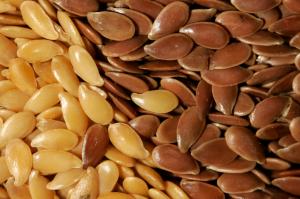 Researchers from the Chinese Academy of Sciences, in Shanghai reviewed the evidence. Continue reading Effect of flaxseed on lipids
Omega-3 and the risk of kidney stones
 Researchers at the University of Bonn, in Germany, evaluated the effects of supplementation with eicosapentaenoic acid and docosahexaenoic acid (omega-3 fatty acids) on risk factors for calcium oxalate stone formation. Continue reading Omega-3 and the risk of kidney stones
Lack of effect of soy protein on lipids after 1 year
The risk of heart disease increases significantly in women after menopause mostly because of estrogen deficiency. Soy protein is promoted as a dietary means for reducing this risk.
In this study, researchers at Florida State University, in Tallahassee, examined the effects of soy protein consumption on heart disease risk in postmenopausal women. Continue reading Lack of effect of soy protein on lipids after 1 year
Black tea, green tea, and the risk of heart disease
Researchers at the First Affiliated Hospital of Nanjing Medical University, in China, reviewed the association between tea consumption and the risk of coronary artery disease (narrowing of the small blood vessels that supply blood and oxygen to the heart). Continue reading Black tea, green tea, and the risk of heart disease
Do B vitamins and folic acid affect cognitive function?
 Researchers at the University of Western Australia, in Crawley, studied B6, B12, and folic acid. Continue reading Do B vitamins and folic acid affect cognitive function?
Does zinc prevent middle ear infections?
 Otitis media (inflammation of the middle ear, usually caused by infection) affects people of all ages, but is particularly common in young children.
This Cochrane review evaluated studies of children younger than 5 years. Continue reading Does zinc prevent middle ear infections?
Effects of green tea in obese breast cancer survivors
 Being overweight after breast cancer treatment may increase a woman’s risk for recurrent disease.
Researchers at the University of Arizona, in Tucson found that there are benefits from drinking green tea, but weight loss isn’t one of them. Continue reading Effects of green tea in obese breast cancer survivors
Interaction between aliskiren and fruit juice
 Aliskiren (Tekturna) is used to treat high blood pressure. It’s poorly absorbed from the intestines (about 2.5%).
Researchers at Helsinki University Central Hospital, in Finland, report that apple and orange juice further reduce the amount that gets absorbed from the intestines. Continue reading Interaction between aliskiren and fruit juice
Cranberry juice fails to prevent recurrent urinary tract infection
 Researchers at the University of Michigan School of Public Health, in Ann Arbor, recorded the effects in college women presenting with an acute urinary tract infection (UTI). Continue reading Cranberry juice fails to prevent recurrent urinary tract infection
Vitamins C and E and the risk of preterm birth
 Most pregnancies last about 40 weeks. A premature birth takes place more than 3 weeks before the due date. Although the rate of premature birth seems to be on the rise, a healthy lifestyle helps prevent preterm labor and premature birth.
Researchers in the US collaborated to determine whether pregnant women taking vitamins C and E might lower their risk of spontaneous preterm birth. Continue reading Vitamins C and E and the risk of preterm birth