 Researchers from the University of California, San Francisco tell us the evidence is minimal. Continue reading Review: Omega-3 fatty acids to treat autistic spectrum disorder
Category Archives: E. DIETARY
Potential for licorice-drug interactions
 Glycyrrhizin is a major ingredient of licorice, which is sometimes used in the treatment of various diseases such as chronic hepatitis.
In animals, licorice or glycyrrhizin alters the activity of the CYP3A drug-metabolizing enzyme. Researchers at Central South University, in Hunan, People’s Republic of China looked for an effect in people. Continue reading Potential for licorice-drug interactions
Review: CAM for infantile colic
 Almost all babies go through a fussy period. When crying lasts for longer than about 3 hours a day and is not caused by a medical problem (such as a hernia or infection), it is called colic.
Prof. Ernst and colleagues evaluated nutritional supplements and other complementary and alternative medicines. Continue reading Review: CAM for infantile colic
Vitamins C, D, and mood disturbance in hospitalized patients
 Low blood levels of vitamins C and D are prevalent in acutely hospitalized patients.
Researchers at McGill University, and Jewish General Hospital, in Montreal, Quebec, looked for a change in mood after raising blood levels of these vitamins. Continue reading Vitamins C, D, and mood disturbance in hospitalized patients
Fish oil and the risk of bleeding following surgery
 Concern over bleeding due to changes in platelet function has led to prohibiting omega-3 supplements before surgery.
Researchers at the Hospital for Special Surgery, in New York City, reviewed the records of spinal surgery patients in order to determine the risk of bleeding. Continue reading Fish oil and the risk of bleeding following surgery
Lowering drug blood levels with grapefruit juice: When’s it significant?
Ask about the grapefruit/drug interaction and most people think of the increased blood levels of statins when grapefruit is eaten before taking a dose.
Now, Dr. David Bailey at the University of Western Ontario, in London, Ontario, has reviewed fruit juice interactions that result in lower drug blood levels. Continue reading Lowering drug blood levels with grapefruit juice: When’s it significant?
Vitamin D improves the response to steriods in asthmatics
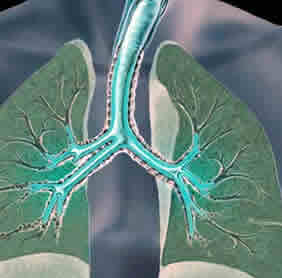 Patients with asthma experience a variable response to inhaled corticosteroids.
Researchers from National Jewish Health, in Denver, Colorado studied the effect of vitamin D levels on this response. Continue reading Vitamin D improves the response to steriods in asthmatics
The bottom line on calcium supplements
Researchers at the University of Illinois at Chicago have written a succinct review.
Let’s cut to the chase. Continue reading The bottom line on calcium supplements
Survival with alternative therapy for breast cancer
 Some breast cancer patients reject standard treatment, but data on outcomes for those choosing CAM as primary treatment are lacking.
Researchers at the Legacy Health System, Cancer Services, in Portland, Oregon, estimated 10-year survival statistics. Continue reading Survival with alternative therapy for breast cancer
World’s first clinical trial
 The website called Common Ground has an article about the Canadian healthcare system, CAM, and the Body Heals Conference, which will take place later this month.
As an intro, author Alan Cassels tells about the first clinical trial. Continue reading World’s first clinical trial
Do we overhype drug-supplement interactions?
 Real and hypothetical concerns exist.
Dr. Mark Moyad (photo), who is Director of Preventive and Alternative Medicine at the University of Michigan Medical Center in Ann Arbor, puts it into perspective. Continue reading Do we overhype drug-supplement interactions?
Latest report on coffee and the risk of stroke
 Coffee consumption has been inconsistently associated with stroke incidence and mortality.
Researchers in Sweden and Finland investigated the association between coffee consumption and stroke incidence in women. Continue reading Latest report on coffee and the risk of stroke
Status of treatment options for osteoporosis
 Researchers at Tung Wah Eastern Hospital, in Hong Kong, China, reviewed the evidence for CAM in the context of the overall treatment plan. Continue reading Status of treatment options for osteoporosis
March is National Nutrition Month
 The American Dietetic Association (ADA) would like all Americans to take time during National Nutrition Month to look at their eating patterns and begin to make the small improvements that, over time, add up to significant health benefits.
“Splash some color on your plate!” Continue reading March is National Nutrition Month
The risk of thrombocytopenia with CAM
When the number of platelets in the blood is low — thrombocytopenia — it’s more difficult for blood to clot. Early signs of thrombocytopenia include bruising, and bleeding from the nose or into the gastrointestinal tract.
Researchers from the College of Medicine University of Oklahoma Health Sciences Center, in Oklahoma City reviewed interactions between platelets and CAM, herbals, nutritional supplements, foods, and beverages. Continue reading The risk of thrombocytopenia with CAM
Herbals used by pregnant women
 Researchers from Atlanta, Georgia and Boston report from the National Birth Defects Prevention Study. Continue reading Herbals used by pregnant women
Is it possible to prevent prostate cancer with diet and supplements?
 Researchers at Fred Hutchinson Cancer Research Center, in Seattle, Washington, reviewed the evidence. Continue reading Is it possible to prevent prostate cancer with diet and supplements?
Looking for an association between vitamin D and frailty
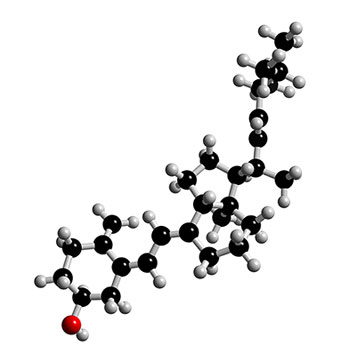 Researchers at the Veterans Affairs Medical Center, in Minneapolis, Minnesota, studied elderly men. Continue reading Looking for an association between vitamin D and frailty
Vitamin D and the risk of Parkinson’s disease
 Almost everyone is deficient in vitamin D, and this deficiency is implicated in several diseases.
Now, researchers at the National Institute for Health and Welfare, in Helsinki, Finland, look for an association with Parkinson’s disease. Continue reading Vitamin D and the risk of Parkinson’s disease
Effect of vegetarian diets on mood
 Vegetarian diets exclude fish, the major dietary source of fatty acids, eicosapentaenoic acid (EPA) and docosahexaenoic acid (DHA), which are critical regulators of brain cell structure and function.
Researchers at Arizona State University, in Mesa, examined associations between mood and polyunsaturated fatty acid intake in vegetarian and omnivorous diets. Continue reading Effect of vegetarian diets on mood