Researchers in the Netherlands report the risk of morbidity and death from stroke and coronary heart disease (CHD), and for mortality due to any cause. Continue reading Coffee, tea, and cardiovascular risk →
Dietary Guidelines for Americans should be eating.
Unless you’ve been living in a box, there’s probably nothing new here. Continue reading Dietary recommendations you probably already know →
studied the effects of docosahexaenoic acid (DHA) (an essential fatty acid) on improving cognitive functions in healthy older adults with age-related cognitive decline. Continue reading More support for omega-3 to slow age-related cognitive decline →
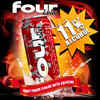
according to New York Senator Charles Schumer. Continue reading Alcoholic energy drinks being banned by FDA →
Initiative .
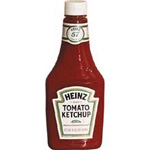
It’s the latest salvo in the food wars . Continue reading Heinz Ketchup reduces sodium 25% →
reported (abstract 706) that adding vitamin D as a supplement did not lessen the symptoms or slow the progression of knee osteoarthritis. Continue reading Does vitamin D reduce progression of knee osteoarthritis? →
according to researchers in the US and Bogota, Columbia. Continue reading Might vitamin D deficiency make you chubby? →
studied the long-term effects. Continue reading Vitamins E and C and the risk of age-related cataract →
surveyed the use of CAM in residents of Singapore who had head and neck cancer.
Here are their findings compared to other countries where similar studies have been conducted. Continue reading Use of CAM in patients with head and neck cancer →
studied the effect of curcumin (turmeric) on drug metabolizing enzymes.
Their findings suggest a risk for curcumin-drug interactions. Continue reading Risk of curcumin-drug interactions →
reviewed by researchers at Louisiana State University Health Sciences Center, in Kenner.
Here’s what we know. Continue reading Review of CAM for behavioral health →
During the Annual Meeting of the American Academy of Ophthalmology, researchers at Emory University, in Atlanta, Georgia, reported a significant relationship. Continue reading Low vitamin D and the risk of diabetic retinopathy →
An eatery called Healthy Choice , on Lexington Street was hit with the $100 fine. “It was the second time they were found using a high trans fat level in their ingredients.” Continue reading Negative consequences of using trans fats in Baltimore →
What might be the public health issues associated with recommending a switch from sugar to artificial sweeteners? Continue reading Benefits and potential risks of artificial sweeteners →
investigated the relationship between soy consumption and the risk of chronic obstructive pulmonary disease (COPD) and respiratory symptoms. Continue reading Association between soy and COPD →
reported there was no link between blood levels of vitamin D and the incidence of myalgias in patients treated with the statin drug, atorvastatin (Lipitor). Continue reading Is there a connection between vitamin D and muscle pain during statin therapy? →
compared the effects.
A new TV commercial in the US claims there’s no difference. Not so, according to these results. Here are the findings, and the potential significance of this research. Continue reading Comparing fructose- and glucose-sweetened beverages →
The Global Neuroscience Initiative Foundation , in Los Angeles, California, reviewed the evidence for passionflower, lysine, magnesium, kava, and St John’s wort, alone or in combination. Continue reading Nutritional herbal supplements for treating anxiety →
its cause.
Researchers at McGill University Health Centre, in Montreal, Quebec looked for evidence of an association with diet. Continue reading Searching for a connection between fish consumption and prostate cancer →
Posts navigation
Complementary and Alternative Medicine: Fair, Balanced, and to the Point
 In some cases the risk depends on how much you drink each day.









 Surprisingly, only about 15% of Americans use sugar substitutes.
 Researchers from Japan and Australia

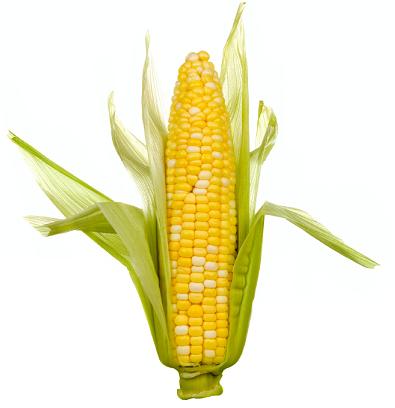 Overweight and obese subjects consumed glucose- or fructose-sweetened beverages, and researchers from the US and Japan