the recommended daily intake of vitamin D for infants and children, from 200 IU/day (2003 recommendation) to 400 IU/day.
Researchers from the Centers for Disease Control and Prevention, in Atlanta, Georgia assessed whether infants in the US are meeting these recommendations during their first year of life. Continue reading Infants not consuming adequate vitamin D →
reviewed the evidence. Continue reading Does vitamin D reduce the risk of falls in older adults? →
Drugs and Therapeutics Bulletin , which is published by the British Medical Journal , has published their review of the evidence. Continue reading Little evidence that herbals relieve menopause symptoms →
We also know that soy extract activates CYP2C9 and CYP3A4 in the lab. Should we worry about a soy-drug interaction? Continue reading Does soy interact with losartan? →
Researchers from Maastricht University Medical Center, in the Netherlands reported their results during the annual meeting of the American Thoracic Society. Continue reading Benefits of pulmonary rehabilitation on COPD →
Researchers at Technion-Israel Institute of Technology, Haifa, Israel, tested the antioxidant vitamin E to protect diabetic patients with HP 2-2 from cardiovascular complications. Continue reading Reducing the risk of cardiovascular disease in people with diabetes →
brown rice and white rice may have different effects on risk of type 2 diabetes mellitus.
Researchers at Harvard Medical School, in Boston, examined white and brown rice consumption in relation to what is sometimes referred to as non-insulin-dependent diabetes (NIDDM) risk. Continue reading White rice, brown rice, and the risk of type 2 diabetes →
Continue reading Survey of American medical students about CAM →
His recommendations. Continue reading CAM to treat the cold and flu →
Here’s what we really know . Continue reading Effects of eating more fruits and veggies on cancer risk →
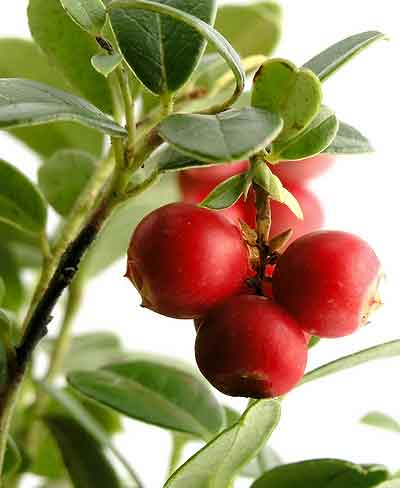
examined the effect of cranberry ingestion on cholesterol in Type 2 diabetic patients taking anti-diabetes medicine. Continue reading Effect of cranberry extract on lipids →
according to this Cochrane review. Continue reading Options to treat nauesa and vomiting in early pregnancy →
evaluated the response to alternative sources of omega-3 fatty acids (krill vs fish) in women with premenstrual syndrome.
A reader comments, and I reply. So, it’s back to the top of the queue for this post. Continue reading Krill oil vs fish oil to manage premenstrual syndrome and dysmenorrhea →
tell us lifestyle changes can more than offset the risk posed by genetics, which, of course, can’t be changed. Continue reading Relative importance of lifestyle changes on the risk of dementia →
Researchers at the University of Guelph, in Ontario, reviewed the evidence for cranberry to prevent or treat these infections and found it lacking. Continue reading Review: Cranberry and urinary tract infections in spinal cord injury patients →
(Paullinia cupana) extracts are popular in energy drinks, teas, and capsules.
In this study , taking guarana improved mental performance and reduced the mental fatigue associated with tasks requiring a sustained mental effort.
How’d it do that? Continue reading Effect of guarana on mental performance and fatigue →
reason women stop taking this drug.
Researchers at the University of Barcelona, in Spain, used vitamin D to lower the risk of arthralgia. Continue reading Vitamin D to reduce joint pain with aromatase inhibitors →
reviewed the evidence and graciously provide us with succinct conclusions.
Here’s what we know. Continue reading Should you trust supplements to lower cholesterol levels? →
Posts navigation
Complementary and Alternative Medicine: Fair, Balanced, and to the Point
 In November 2008, the American Academy of Pediatrics (AAP) doubled the recommended daily intake of vitamin D for infants and children, from 200 IU/day (2003 recommendation) to 400 IU/day.

 Drugs and Therapeutics Bulletin, which is published by the British Medical Journal, has published their
 It improves quality of life even in patients with less-advanced cases of chronic obstructive pulmonary disease (COPD).


 Researchers from the Taichung Veterans General Hospital, in Taiwan



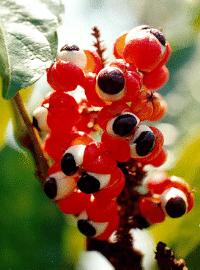 Guarana (Paullinia cupana) extracts are popular in energy drinks, teas, and capsules.