 MedPage reports, “8 weeks of hand-grip exercises, begun more than 6 months after a stroke, resulted in significantly increased activity in the cortex — the area of the brain that corresponds with hand use.” Continue reading No time limit for stroke rehab?
Combining soy isoflaones plus radiation for prostate cancer
 Soy isoflavones sensitize prostate cancer cells to radiation. They also have antioxidant and anti-inflammatory activity, which might help prevent the side effects of radiation.
Researchers at Wayne State University, in Detroit, Michigan, studied the effects of soy isoflavone supplementation on the toxicity of external beam radiation therapy in patients with localized prostate cancer. Continue reading Combining soy isoflaones plus radiation for prostate cancer
Mindfulness to manage child abuse survivors
 The results warrant further investigation, according to researchers at the University of Maryland School of Medicine, in Baltimore. Continue reading Mindfulness to manage child abuse survivors
Acupressure to reduce pain during labor
 Researchers from Sweden and India evaluated the effect of acupressure during the active phase of labor on nulliparous (first pregnancy) women’s ratings of labor pain. Continue reading Acupressure to reduce pain during labor
Searching for a connection between fish consumption and prostate cancer
 The risk of prostate cancer varies 60-fold depending on where in the world you are. This suggests a role for lifestyle and dietary factors in its cause.
Researchers at McGill University Health Centre, in Montreal, Quebec looked for evidence of an association with diet. Continue reading Searching for a connection between fish consumption and prostate cancer
Infants not consuming adequate vitamin D
 In November 2008, the American Academy of Pediatrics (AAP) doubled the recommended daily intake of vitamin D for infants and children, from 200 IU/day (2003 recommendation) to 400 IU/day.
Researchers from the Centers for Disease Control and Prevention, in Atlanta, Georgia assessed whether infants in the US are meeting these recommendations during their first year of life. Continue reading Infants not consuming adequate vitamin D
Does vitamin D reduce the risk of falls in older adults?
 Researchers at Johns Hopkins University School of Medicine, in Baltimore, Maryland reviewed the evidence. Continue reading Does vitamin D reduce the risk of falls in older adults?
Fibromyalgia AWARE
 The National Fibromyalgia Association publishes Fibromyalgia AWARE, a magazine targeted to patients with fibromyalgia.
It has been available for free online since the beginning of this year. Continue reading Fibromyalgia AWARE
Reviewing chiropractic for fibromyalgia
 Prof. Ernst reviewed the evidence. Continue reading Reviewing chiropractic for fibromyalgia
Little evidence that herbals relieve menopause symptoms
 Drugs and Therapeutics Bulletin, which is published by the British Medical Journal, has published their review of the evidence. Continue reading Little evidence that herbals relieve menopause symptoms
Homeopathic treatment of migraine
 Researchers at Charite University Medical Center, in Berlin, Germany, studied the effects of individualized homeopathic treatment in patients with migraine being treated with usual care. Continue reading Homeopathic treatment of migraine
Cellular effects of exercise in heart disease
 The endothelium is a thin layer of cells that line the interior surface of blood vessels.
Endothelial dysfunction often leads to atherosclerosis (hardening of the arteries) in patients with diabetes, high blood pressure, and other chronic conditions.
Is it possible that exercise might improve the function of the endothelium and benefit patients with heart disease? Continue reading Cellular effects of exercise in heart disease
Review: Cupping for stroke rehabilitation
 Prof. Ernst reviewed cupping, an Ancient Chinese practice of placing cups on the skin and applying heat or suction so that skin and superficial muscles are stimulated and drawn into the cup.
Here’s a summary of the first systematic review of this topic. Continue reading Review: Cupping for stroke rehabilitation
Review: Acupuncture for functional recovery after stroke
 It’s frequently recommended as a facet of treatment during stroke rehabilitation.
Prof. Ernst reviewed acupuncture in this setting. Continue reading Review: Acupuncture for functional recovery after stroke
The ginseng/warfarin interaction debate
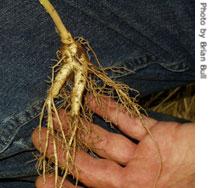 Researchers from Kyung Hee University in Seoul, Republic of Korea studied Asian ginseng (Panax ginseng) and found no interaction with the blood thinner, warfarin (Coumadin). Continue reading The ginseng/warfarin interaction debate
Benefits of mental singing in Parkinson’s disease
 Patients with Parkinson’s disease have gait disturbances that can be improved with the use of appropriate visual and auditory cues.
Researchers from Mie University School of Medicine in Tsu, Japan report their experience using mental singing. Continue reading Benefits of mental singing in Parkinson’s disease
Reviewing the value of acupuncture for obesity
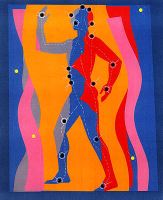 Researchers from Kyung Hee University Medical Center, in Seoul Korea reviewed the evidence. Continue reading Reviewing the value of acupuncture for obesity
Does soy interact with losartan?
Losartan (Cozaar), which is used to treat high blood pressure, is metabolized by liver enzymes CYP2C9 and CYP3A4 to an active metabolite, E-3174, which has greater antihypertensive activity than Losartan itself.
We also know that soy extract activates CYP2C9 and CYP3A4 in the lab. Should we worry about a soy-drug interaction? Continue reading Does soy interact with losartan?
Still useful: Coal tar for treating psoriasis
 Applying the prescription drug tazarotene (Tazorac) to chronic plaque psoriasis is more effective than using a placebo. But how does it compare to the age-old remedy, coal tar?
Researchers from the All India Institute of Medical Sciences in New Delhi reported their findings during the International Congress of Dermatology. Continue reading Still useful: Coal tar for treating psoriasis
No effect of pine bark extract on cardiovascular disease risk
 Pine bark extract is a dietary antioxidant supplement.
In this study, researchers at Stanford University School of Medicine, in California, attempt to correct past studies that they consider flawed. Continue reading No effect of pine bark extract on cardiovascular disease risk