Transcranial magnetic stimulation and neuropathic pain

The results from two studies of transcranial magnetic stimulation (TMS) may lead to a better method of predicting or assessing the effects of drugs used to treat neuropathic pain.

In TMS, a magnetic coil is moved over the brain. The resulting magnetic fields induce tiny electrical currents in the skull that alter the activity of nerve pathways, leading (in these studies) to stimulation of different areas.

In the first study, the antiseizure drugs carbamazepine (Carbatrol), gabapentin (Neurontin) and topiramate (Topamax) administered to 8 patients with neuropathic pain reduced the TMS excitability of certain nerves in the brain.

In the second study, the extent of the suppresion of the nerves was greater in 23 patients with neuropathic pain as the dose of topiramate increased.

Here’s some background.

Continue reading Transcranial magnetic stimulation and neuropathic pain →
Transcranial magnetic stimulation and Alzheimer’s disease

There’s lots of interest in using transcranial magnetic stimulation (TMS) to assess the underlying causes of neurologic diseases ? as well as diagnose and possibly treat these conditions.

The intent in this study was not to use magnets (or more precisely magnetic fields) as a form of therapy. In this case, TMS was used to detect differences in nerve function in normal volunteers and patients with Alzheimer’s disease.

Repetitive TMS can regulate the excitability of the cerebral cortex of the brain. The researchers found that healthy people respond to repeated magnetic stimulation with an electrical response from the nerves that progressively increases in size.

In patients with Alzheimer’s disease, this is not the case. In fact, the electrical response decreases in size.

Continue reading Transcranial magnetic stimulation and Alzheimer’s disease →

Microbes and obesity

This Sunday’s New York Times spends 6591 words spread out over 72 paragraphs discussing the theory that obesity is related to intestinal microorganisms.

It’s an entertaining story. The results of animal studies suggest that people infected with an adenovirus, Ad-36, have a better than even chance of becoming obese.

I know what you’re thinking, but don’t hold your breath.

Yes, some day, in the future, in a galaxy far, far away, it might be possible to administer antiviral drugs to “infected” individuals early enough to block the effect of Ad-36 on the fat cells.

But by paragraph 67 we learn what we knew all the time, there is no substitute for diet and exercise.

8/13/06 9:22 JR

The Quick-and-Dirty Guide to Complementary Therapies

In 1995, the American Medical Student Association prepared an introductory guide to complementary medicine.

It is available online at no charge. And it’s still the first place to turn for introductory information on everything from art therapy, to osteopathy, chiropractic, chelation therapy, and more.

Continue reading The Quick-and-Dirty Guide to Complementary Therapies →

Using the Internet to complement healthcare

No, I’m not referring to this blog. 😉

“Two Web sites called My HealtheVet (one is a pilot project with more features) gives participating patients access to some of their medical records. Via the Internet, they read their doctor?s summary of a visit and see test results.

They can even enter data such as blood-sugar level, blood pressure, or weight and create graphs that help them follow their progress. Consumer Reports summarizes the service.

The latest home screen even has an article about tai chi.

Continue reading Using the Internet to complement healthcare →

Cyclosporine, herbals, and immunosupressive therapy

Cyclosporine (Sandimmune, Neoral) is used to prevent organ rejection following kidney, liver, and heart transplants. It may also be used to treat chronic rejection in patients previously treated with other immunosuppressive agents.

The information in this article should be valuable for people taking cyclosporine for its immunosuppressant effect, and for pharmacists and other healthcare professionals who are monitoring this therapy.

Interactions between cyclosporine and St. John’s wort and rosemary are discussed. In addition, it reviews the purported immunostimulating effects of certain herbals and herbal medicines that are potential nephrotoxins.

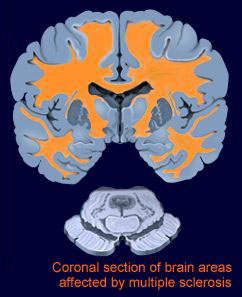
Illustration: University of Texas

8/11/06 20:38 JR

Correlating latitude and vitamin D with multiple sclerosis

A recent review of the role of vitamin D in the prevention and treatment of multiple sclerosis (MS) concluded it was not possible to make firm conclusions because the studies included small numbers of people with lots of confounding variables.

Fair enough, but here is an epidemiological report that makes interesting reading and advances the vitamin D theory. [My additions are in brackets.]

Continue reading Correlating latitude and vitamin D with multiple sclerosis →

The essential reiki

Most of the benefits reported with Reiki are based on the personal experiences of those who receive treatment and those who administer it.

Several years ago I met Michael W. Smith, a Reiki (pronounced “ray-key”) master in practice at the Women’s Place at Carroll County General Hospital in Westminster, Maryland. I interviewed him and later wrote two articles.

The first was an edited transcript of our conversation covering the basics of Reiki.

  • The essential Reiki
  • Reiki levels and attunement
  • A Reiki treatment session
  • The appropriate role for Reiki treatment today

The second article describes the effect of reiki on a woman with Alzheimer’s disease. It also compares Reiki to touch therapy and massage.

Taken together, they are, if I say so myself, a good way to begin to understand this form of complementary therapy.

8/11/06 00:25 JR

News you can use about soy

My anecdotal experience is that soy gives me a headache. Not from eating it, but from reading about it!

Too much about soy sources, the fermentation processes, and oh those isoflavones. Way too much bloviating here, here, and here about the pros and cons of soy.

Sometimes you just have to cut through the fog and ask, What’s the bottom line on soy?

Thanks to a Washington state food market chain, here it is.

Continue reading News you can use about soy →

Bifidobacterium infantis 35624 and the irritable bowel syndrome

In women with irritable bowel syndrome (IBS), Bifidobacterium infantis 35624 at a dose of 1×10(8) cfu (colony forming units) is significantly better than placebo and other doses of bifidobacterium for controlling abdominal pain, bloating, bowel dysfunction, incomplete evacuation, straining, and the passage of gas. These are the findings from a study published last month in the American Journal of Gastroenterology. A nice review of the results is here.
Here is some background on Bifidobacterium infantis.

  • It’s a supplement, not a drug
  • As a probiotic, it’s similar to the active cultures found in some yogurts and fermented milks
  • Probiotics are beneficial bacteria that help strengthen the body’s natural defenses, and restore the balance of healthy bacteria
  • It is sold under the name, Bifantis

Continue reading Bifidobacterium infantis 35624 and the irritable bowel syndrome →

Studying the effects of plant extracts on the metabolic syndrome

Even as researchers debate its importance, the NIH has awarded an $8 million, five-year grant to evaluate the effects of plant extracts on the metabolic syndrome. Researchers from Rutgers University and the Pennington Biomedical Research Center will grow the plants, determine their active components, and conduct clinical trials.

Here’s some background on the metabolic syndrome and the growing controversy about its relevance.

Continue reading Studying the effects of plant extracts on the metabolic syndrome →

Reducing our salt intake to lower blood pressure. Does it matter?

A review published on Medscape makes a strong case for connecting the dots that lead from salt intake to high blood pressure, and then to cardiovascular disease and death.

“There is virtual unanimity within the scientific community regarding the contribution of excessive sodium consumption to cardiovascular disease.”

It’s “unquestioned … that halving sodium levels in packaged and restaurant foods could save about 150,000 lives a year, especially among African Americans … and the elderly. ”

Proponents of this position are absolutely convinced, and they want the U.S. government to start a multipronged approach.

  • Educate the public about the risk of sodium
  • Pressure companies and restaurants to lower salt use
  • Have the FDA stop considering salt a safe substance
  • Recruit the Surgeon General to support the effort

In fact, there is another point of view, as told at the website, JunkScience.com.

Continue reading Reducing our salt intake to lower blood pressure. Does it matter? →

Recall of a camphor, eucalyptus oil, and menthol patch product

It’s called WellPatch Cough & Cold Soothing Vapor Pads.

It was intended to be applied to the throat or chest of children two years of age and older so they could inhale the vapors. Unfortunately, it was easy for the munchkins to remove the patch and place it in their mouths.

Continue reading Recall of a camphor, eucalyptus oil, and menthol patch product →

Behavioral treatments for ADHD

Attention-deficit/hyperactivity disorder (ADHD) affects about 5% to 10% of school-age children in the United States.

A just published review on Medscape compares behavioral treatments vs drug therapy for ADHD.

Under what conditions are patients likely to benefit from behavior therapy?

  • Patients with mild ADHD symptoms
  • When the family prefers it
  • Preschoolers with ADHD before considering a medication
  • Combined with medication for ADHD children with anxiety disorders

Continue reading Behavioral treatments for ADHD →

Yoga scholarships

The Yoga Journal Conference Scholarship Program supports low-income people who practice yoga to participate in their conferences.

Interested? Go to their website for more info.

Logo: Yoga Journal

8/8/06 16:30 JR

Asian supplements industry creates AAHSA

The ASEAN Alliance of Health Supplement Associations (AAHSA) is a newly created a body that will address regulatory issues in food supplements in 10 Asian countries. ASEAN stands for the Association of Southeast Asian Nations.
AAHSA is an umbrella organization for the supplements industry associations of Indonesia, Malaysia, Philippines, Singapore, Thailand, and Vietnam. It also works with Brunei Darussalam, Cambodia, Laos, and Myanmar.

Too bad China isn’t included. The industry in that country would benefit from oversight, as has been discussed here, here, and here.

Logo: Association of Southeast Asian Nations

8/8/06 15:21 JR

ConsumerLab.com tests cholesterol-lowering supplements

Three of 16 products failed the content analysis test. One product did not release its ingredients and two others had less than half the expected ingredients.

That’s less than a 20% failure rate, which is better than often reported by this lab.

An article in Functional Foods & Nutraceuticals reports that the following supplements were tested: sterols, policosanol, guggulsterones, fish oil, garlic, niacin, soy protein, red yeast rice, and stanols. I highlighted the supplements discussed at this blog.

Continue reading ConsumerLab.com tests cholesterol-lowering supplements →

Homeopathic treatment effective in fibromyalgia

A study published in Rheumatology found that “individualized homeopathy is significantly better than placebo in lessening pain and improving the quality of life and global health of persons with fibromyalgia.”

The researchers report (here and here) the presence of brain wave pattern changes associated with homeopathic treatment that are not seen with placebo under double-blinded conditions. The researchers conclude, “These observations suggest … EEG … as an early biomarker of individualized homeopathic medicine effects in patients with fibromyalgia who later exhibit exceptional outcomes.”

In other words, now there’s a way to predict responders to homeopathy for a condition, where conventional medicine has no approved treatment.

Hmm.

Continue reading Homeopathic treatment effective in fibromyalgia →

Complementary and Alternative Medicine: Fair, Balanced, and to the Point