The most prominent neurochemical change in patients with Alzheimer’s disease is a deficiency of choline acetyltransferase, the enzyme responsible for the synthesis of acetylcholine.
The UK National Health Service (NHS) is quietly withdrawing funds from homeopathy, according to David Colquhoun who is professor of pharmacology at University College London. The defunding of homeopathy has apparently been taking place since May 2006.
The advertisement claims, Zencore Tabs are an all-natural herbal supplement, clinically tested, that enhances male sexual performance. Each tablet contains 22 powerful natural herbs.
Dr. Kathleen Kendall-Tackett is a health psychologist and a board certified lactation consultant from the University of New Hampshire in Durham. Her work focuses on family violence and perinatal health.
Raynaud’s disease causes some areas of the body (fingers, toes, tip of the nose and ears) to feel numb and cool in response to cold temperatures or stress. During a Raynaud’s attack, the arteries become narrow and limit blood flow to affected areas.
Temporomandibular joint (TMJ) dysfunction involves face pain, clicking sounds, and limited movement of the jaw. About 33% of the population has it; fewer need treatment.
This study suggests that cognitive behavioral therapy plus biofeedback is cost-effective treatment.
Researchers from the University of Western Sydney in Australia reviewed 40 years of research that compared calcium with or without vitamin D in older adults.
Several years ago a study in human liver tissue and in rats concluded that pomegranate juice inhibited CYP3A — a liver enzyme in the cytochrome P450 system important for metabolizing drugs. The implications were that — just as with grapefruit — people taking drugs such as statins for cholesterol might be exposed to much higher blood levels and greater risk of side effects.
We now find that when studied in healthy volunteers, pomegranate juice is not associated with this risk.
As summarized here, JELIS is the acronym for “Japan EPA Lipid Intervention Study.” It showed that adding eicosapentaenoic acid (EPA) — an active component of omega-3 fatty acids — to low-dose statin therapy lowered the risk for certain major problems involving the heart.
On a recent trip to Paris I was told that the reason there are no fat Parisian women is because they understand portion control in their diet. Restaurants in France serve smaller portions. Nobody complains because … well … they’re in Paris, after all.
Here’s a typical American approach to portion control, from Dr. Mary Ellen Camire and Megan Blackmore writing in the latest edition of Food Technology magazine.
Researchers from the Free University in Brussels used hypnosis to treat 28 patients who failed to respond to conventional treatments. It was either added to ongoing treatment or used alone. Continue reading Hypnosis to treat alopecia areata?→
Complementary and Alternative Medicine: Fair, Balanced, and to the Point
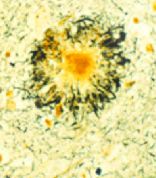 The most prominent neurochemical change in patients with Alzheimer’s disease is a deficiency of choline acetyltransferase, the enzyme responsible for the synthesis of acetylcholine.
 According to a study presented at the American Society of Anesthesiologists 2007 Annual Meeting, about 1 in 4 people with chronic pain also have inadequate blood levels of vitamin D.
 The Cancer Integrative Medicine Program at Rush University Medical Center focuses on dealing with the emotional, psychological, and spiritual effects of cancer.
 The UK National Health Service (NHS) is quietly withdrawing funds from homeopathy,
 The University of Sydney in Australia maintains a
 The advertisement claims, Zencore Tabs are an all-natural herbal supplement, clinically tested, that enhances male sexual performance. Each tablet contains 22 powerful natural herbs.
 Dr. Kathleen Kendall-Tackett is a health psychologist and a board certified lactation consultant from the University of New Hampshire in Durham. Her
 Raynaud’s disease causes some areas of the body (fingers, toes, tip of the nose and ears) to feel numb and cool in response to cold temperatures or stress. During a Raynaud’s attack, the arteries become narrow and limit blood flow to affected areas.
 A
 That’s the main message in this
 Dashmoola is a popular herbal formulation in ayurvedic medicine. It’s used to reduce fever and modify the immune response.
 Temporomandibular joint (TMJ) dysfunction involves face pain, clicking sounds, and limited movement of the jaw. About 33% of the population has it; fewer need treatment.
 It’s documented
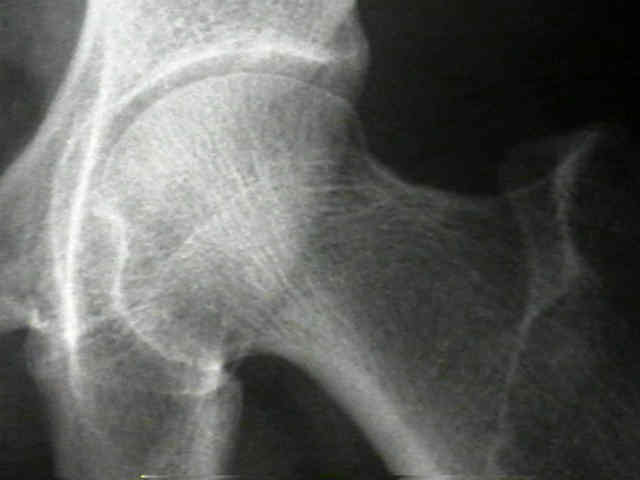 Researchers from the University of Western Sydney in Australia
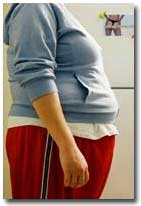 In preparation for the upcoming weight management
 Several years ago a
 As summarized
 And half of the brands failed the test for folic acid.
 Researchers from the Free University in Brussels