Earlier posts on this topic here and here might leave readers with the impression that the scientific literature doesn’t support glucosamine to help treat osteoporosis.
Using a cognitive behavioral therapy (CBT) appears more effective than “present-centered” therapy (talking about current problems) to treat female military veterans and active duty women with post-traumatic stress disorder (PSTD).
The National Healthy Mothers, Healthy Babies Coalition has summarized the recommendations from official groups, worldwide. Their website should be essential reading for pregnant, breastfeeding, and postpartum women, and women thinking of becoming pregnant.
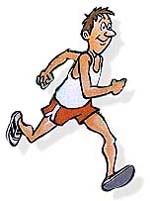
HealthNotes Newswire reports on the new physical activity guidelines for adults 65 years and older, and adults 50 to 64 with chronic medical conditions.
Dr. Peter Canter and Professor Edzard Ernst from the Peninsula Medical School at the University of Exeter called yesterday [Oct 3] for the sale of herbal medicines to be banned unless evidence of their efficacy can be shown. Continue reading Banning sales of herbals in the UK→
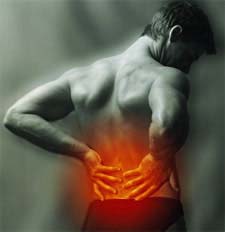
Clinical Practice Guidelines for the diagnosis and treatment of low back pain have been published in the Annals of Internal Medicine by the American College of Physicians and the American Pain Society.
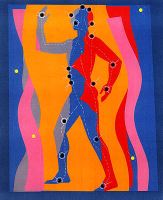
A recurring theme in acupuncture studies is the difficulty (dare I say inability) in distinguishing between the real thing and sham acupuncture. An example in patients with fibromyalgia (FMS) is here. Other conditions with the same problem are here, and here.
However, said Dr. Anna Enblom during her presentation to the attendees at the 14th European Cancer Conference, “Both groups [sham and real acupuncture] of patients reported that they believed the treatment had been invasive and effective in reducing nausea.” Continue reading Acupuncture does not reduce radiotherapy-induced nausea→
The Women’s Health Initiative Observational Study reports “Panic attacks are relatively common among postmenopausal women and appear to be an independent risk factor for cardiovascular morbidity and mortality in older women.”
“Flexion-distraction [FD] involves the use of a specialized table [see photo] that gently distracts or stretches the spine,” says Dr. Arn Strasser from the Center for Chiropractic & Pain Rehabilitation in Portland, Oregon.
OK, but how does it compare to an active trunk exercise (ATE) protocol (see photo below) as performed by physical therapists?
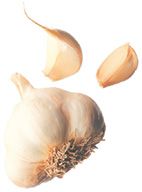 Garlic (Allium sativum) is one of the most commonly used supplements.
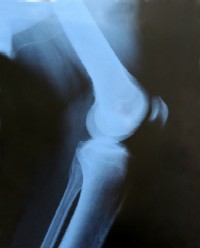 Earlier posts on this topic
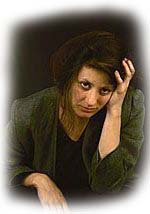 Using a cognitive behavioral therapy (CBT) appears more effective than “present-centered” therapy (talking about current problems) to treat female military veterans and active duty women with post-traumatic stress disorder (PSTD).
 According to researchers from the University of Rochester School of Medicine in New York, conservative care for this abnormal sideways curving of the spine is poorly supported by scientific evidence.”
 High calcium intake seems to be ineffective at reducing bone loss in early postmenopausal women.
 The National Healthy Mothers, Healthy Babies Coalition has
 HealthNotes Newswire
 This, just in from The Independent.
 The results of this
 Exposure to a familiar odor was associated with less crying.
 Clinical Practice Guidelines for the diagnosis and treatment of low back pain have been
 A recurring theme in acupuncture studies is the difficulty (dare I say inability) in distinguishing between the real thing and sham acupuncture. An example in patients with fibromyalgia (FMS) is
 Lime has been
 “Flexion-distraction [FD] involves the use of a specialized table [see photo] that gently distracts or stretches the spine,”