Researchers from the University of Western Sydney in Australia reviewed 40 years of research that compared calcium with or without vitamin D in older adults.
Several years ago a study in human liver tissue and in rats concluded that pomegranate juice inhibited CYP3A — a liver enzyme in the cytochrome P450 system important for metabolizing drugs. The implications were that — just as with grapefruit — people taking drugs such as statins for cholesterol might be exposed to much higher blood levels and greater risk of side effects.
We now find that when studied in healthy volunteers, pomegranate juice is not associated with this risk.
As summarized here, JELIS is the acronym for “Japan EPA Lipid Intervention Study.” It showed that adding eicosapentaenoic acid (EPA) — an active component of omega-3 fatty acids — to low-dose statin therapy lowered the risk for certain major problems involving the heart.
On a recent trip to Paris I was told that the reason there are no fat Parisian women is because they understand portion control in their diet. Restaurants in France serve smaller portions. Nobody complains because … well … they’re in Paris, after all.
Here’s a typical American approach to portion control, from Dr. Mary Ellen Camire and Megan Blackmore writing in the latest edition of Food Technology magazine.
The National Healthy Mothers, Healthy Babies Coalition has summarized the recommendations from official groups, worldwide. Their website should be essential reading for pregnant, breastfeeding, and postpartum women, and women thinking of becoming pregnant.
This review by the Cochrane Collaboration of 19 clinical trials in almost 3000 children treated with calcium or placebo reveals that bone mineral density (BMD) increases the same amount in the hip and spine whether children take calcium supplements or placebo. Continue reading Bad news for calcium supplements→
Three criteria determine drug reimbursement decisions: therapeutic value, cost effectiveness, and burden of disease. Now, an article from Erasmus University in The Netherlands questions whether it’s sufficient for a drug to meet these criteria, and proposes a 4th hurdle.
High concentrations of homocysteine in the blood (hyperhomocysteinemia) have been linked to an increased risk for cardiovascular (CV) disease for almost 40 years!
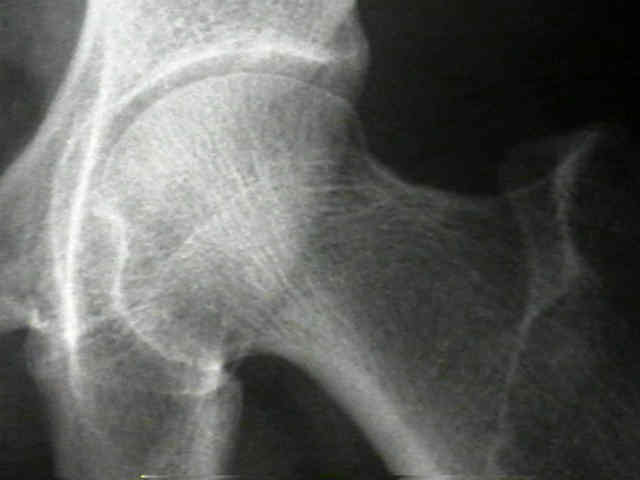 Researchers from the University of Western Sydney in Australia reviewed 40 years of research that compared calcium with or without vitamin D in older adults.
 In preparation for the upcoming weight management
 Several years ago a
 As summarized
 And half of the brands failed the test for folic acid.
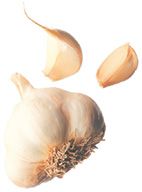 Garlic (Allium sativum) is one of the most commonly used
 The National Healthy Mothers, Healthy Babies Coalition has
 Lime has been
 This
 MayoClinic.com has posted a
 Dr. Brent Bauer is
 Here’s more evidence that the health of your offspring is influenced by what mom eats while pregnant.
 Three criteria determine drug reimbursement decisions: therapeutic value, cost effectiveness, and burden of disease. Now, an
 High concentrations of homocysteine in the blood (hyperhomocysteinemia) have been linked to an increased risk for cardiovascular (CV) disease for almost 40 years!
 Functional Ingredients