For the second time in less than two months, a study of pregnant women concludes that their babies do better if the women make sure they get enough omega-3 fatty acids during pregnancy.
In this case, “enough” is more than the 340 grams of seafood per week that’s usually recommended.
This time they ate seafood rather than take supplements.
Dr. Susan Levy reviewed charts for 284 patients at the Regional Autism Center, which is associated with The Children’s Hospital of Philadelphia. She found that 32% of the children were using CAM.
According to researchers from the National Institutes of Health in Bethesda, Maryland, there was no association between 25-hydroxy vitamin D (25(OH)D) and total cancer deaths. But higher blood levels of 25(OH)D levels were associated with lower mortality due to colorectal cancer.
Yes, they teach CAM at osteopathic and allopathic medical schools.
This survey concludes we need less advocacy and more reliance on evidence-based medicine (ie, combining research evidence with clinical expertise and patient values).
In an earlier post, women complained that they did not know the proper dose of soy-containing products to treat the symptoms of menopause, and had low confidence in the ability of healthcare professionals to provide this information.
Current recommended daily intakes of vitamin D are 200 international units (IU) for younger adults, 400 IU for those aged 51 to 70 years, and 600 IU for those older than 70 years.
Elemene is an extract from the ginger plant and an antitumor drug, which is approved to treat cervical cancer and cancer of the lung, liver, and brain in China.
A review published in the journal Pharmacotherapy warns that drinking large amounts of cranberry juice while taking the blood thinner, warfarin (Coumadin) might increase the risk of bleeding.
“The data that we have now is they don’t seem to work,” said Dr. Sean Hennessy, a University of Pennsylvania epidemiologist and one of the experts who testified to the FDA today.
Among patients with epilepsy who follow a ketogenic diet, complete seizure control after 2 years is achieved in 24% — a 90% reduction in seizures is achieved in 52%. Unfortunately, only about 50% of patients (often children) can stay with the diet.
Now, a study reported during the annual meeting of the American Epilepsy Society concludes that seizure control with the Atkins diet is a possible alternative.
Dr. Kathleen Kendall-Tackett is a health psychologist and a board certified lactation consultant from the University of New Hampshire in Durham. Her work focuses on family violence and perinatal health.
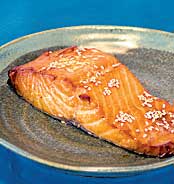 For the second time in less than two months, a study of pregnant women concludes that their babies do better if the women make sure they get enough omega-3 fatty acids during pregnancy.
 Dr. Susan Levy reviewed charts for 284 patients at the Regional Autism Center, which is associated with The Children’s Hospital of Philadelphia. She found that 32% of the children were using CAM.
 Isoflavones are one of the phytoestrogens found mainly in soybeans. Here’s a somewhat technical
 Researchers from the Medical University of Vienna think “omega-3 fatty acids may be an effective treatment for children with autism.”
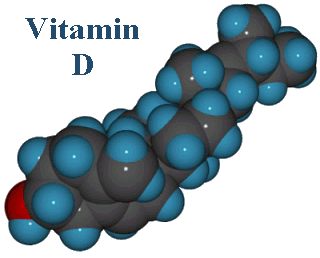 According to researchers from the National Institutes of Health in Bethesda, Maryland, there was no association between 25-hydroxy vitamin D (25(OH)D) and total cancer deaths. But higher blood levels of 25(OH)D levels were associated with lower mortality due to colorectal cancer.
 Cranberries are often used to prevent urinary tract infections (UTIs).
 Yes, they teach CAM at osteopathic and allopathic medical schools.
 Elemene is an extract from the ginger plant and an antitumor drug, which is approved to treat cervical cancer and cancer of the lung, liver, and brain in China.
 “The data that we have now is they don’t seem to work,”
 Hardee’s has
 How many of these recommendations from the American Heart Association relate to complementary lifestyle changes discussed on this blog?
 Among patients with epilepsy who follow a ketogenic
 According to a study presented at the American Society of Anesthesiologists 2007 Annual Meeting, about 1 in 4 people with chronic pain also have inadequate blood levels of vitamin D.
 The Cancer Integrative Medicine Program at Rush University Medical Center focuses on dealing with the emotional, psychological, and spiritual effects of cancer.
 Dr. Kathleen Kendall-Tackett is a health psychologist and a board certified lactation consultant from the University of New Hampshire in Durham. Her