 Researchers from the University of Florida at Gainesville report it’s a safe and effective dietary supplement to reduce your risk of cold and flu symptoms.
And there’s more. Continue reading Green tea capsules to treat cold and flu symptoms
Researchers from the University of Florida at Gainesville report it’s a safe and effective dietary supplement to reduce your risk of cold and flu symptoms.
And there’s more. Continue reading Green tea capsules to treat cold and flu symptoms
 Is it a good as dextromethorphan — the cough-suppressant found in many over-the-counter cold and cough medicines?
Researchers from the College of Medicine at Pennsylvania State University Hershey show that it is. Continue reading Benefits of honey on night cough and sleep quality in children
 In a previous entry, the use of ginger to prevent motion sickness was discussed.
Now, an article published in the American Journal of Obstetrics and Gynecology reports that the combined results from 5 randomized trials of more than 300 patients indicate that a fixed dose at least 1 gram of ginger is more effective than placebo for the prevention of nausea and vomiting following surgery. Continue reading Ginger to prevent nausea and vomiting after surgery
 Give your family and friends holiday gifts that help them eat healthier or become more active.
Twelve healthy suggestions
 Recent evidence raises doubt about the protective effects of lycopene on the risk of prostate cancer.
Now, the European Prospective Investigation into Cancer and Nutrition (EPIC) reports a 65% reduction in advanced prostate cancer risk among men with the highest intake of lycopene. Continue reading Positive results with lycopene in advanced prostate cancer
 NutraIngredients.com reports that scientists from Teagasc (the Irish Agriculture and Food Development Authority) have found a potential use for waste as a potential source of antioxidants.
For example… Continue reading Waste products as the next nutraceuticals?
 The researchers say yes, particularly in the developing world where blood transfusions suffer from inadequate screening and fall short of the stringent safety standards followed in the developed countries. Continue reading Can homeopathy bring additional benefits to thalassemic patients?
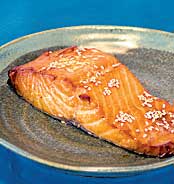 Two omega-3 fatty acids, eicosapentaenoic acid (EPA) and docosahexaenoic acid (DHA) have a number of positive actions against atherosclerosis (hardening of the arteries) and its complications.
An article by the Nutrition Committee of the American Heart Association documents the benefits, with dosing details.
Continue reading Reviewing the benefits and dosing recommendations for omega-3
 Fluorouracil (5-FU) is a drug that’s been used to treat cancer for about 40 years.
Researchers from Helsinki University Central Hospital in Finland tested the value of a probiotic (Lactobacillus) and fiber supplementation on 5-FU side effects. Continue reading Using a probiotic to reduce 5-FU related diarrhea
 Most studies show that the risk of having a heart attack increases as blood levels of C-reactive protein (CRP) get higher. In fact, in any group of people the risk for heart attack is twice as high for those in the upper third of CRP levels compared to those whose CRP is in the lower third.
This study shows that taking about 30 grams of fiber per day can significantly lower blood levels of CRP.
Continue reading Using fiber to lower C-reactive protein blood levels
Dr. Brooks Cash from the National Naval Medical Center in Bethesda, Maryland has published a detailed review on Medscape.
There are some surprising conclusions regarding common treatments, including fluids, dietary fiber, physical activity, education, enema, and biofeedback. Continue reading CAM recommendations to treat chronic constipation
 Taking concentrated oat beta-glucan per day for 6 weeks produced a significant reduction from baseline in total and LDL (bad) cholesterol.
But is that enough to achieve any real benefit in protecting from heart disease?
Continue reading Lowering LDL-cholesterol with concentrated oat beta-glucan
The effect of genistein, daidzein, miso soup, and soy food on the risk of prostate cancer differs based on the stage of the disease.
Continue reading Update on soy, isoflavones, and the risk of prostate cancer
 Recently, 2 studies (here and here) showed that increasing the amount of omega-3 fatty acids in the diet of pregnant women had many benefits for their children years later.
Unfortunately, modifying the dietary intake of omega-3 and -6 fatty acids during early childhood does not change the risk of getting asthma later on.
Continue reading Omega-3 fatty acid supplementation and the risk of asthma in children
 Dr. Stephen Wright from Queen?s University of Belfast, Northern Ireland reports beneficial effects of omega-3 fish on the symptoms of SLE [systemic lupus erythematosus]. Continue reading Studying fish oil to treat systemic lupus erythematosus
 ? The media regularly reminds us of the dangers and difficulties in treating infections caused by microorganisms that are resistant to antibiotics.
For example, the Washington Post reports that in 2005, MRSA (methacillin-resistant Staphylococcus aureus) infections killed nearly 19,000 people in the US, compared to 17,000 HIV/AIDS deaths. Continue reading Exploring the value of antibacterial honey to treat resistant bacterial infections
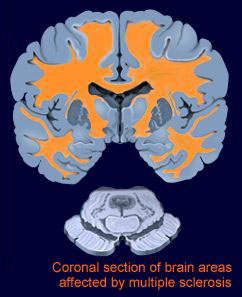 In their article published in InsideMS, Dr. Allen Bowling and Tom Stewart caution, “It’s not clear if omega-3 fatty acids really improve multiple sclerosis (MS).”
However, there is a scientific rationale for this supplement and some hints of effectiveness.
Continue reading The National Multiple Sclerosis Society reviews omega-3 fatty acids
A clinical study and an FDA report look to more informed dietary decisions as a pathway to better health.
HealthBeat, published by Harvard Health Publications, has an excellent article with solid recommendations about the health benefits and risk of eating seafood.
It’s particularly appropriate in light of recent studies here and here supporting the value of omega-3 fatty acids in pregnant women.
Some useful excerpts
Continue reading Harvard gets specific about seafood, pregnant women, and omega-3
 Since Hippocrates advised “Let food be thy medicine and medicine be thy food,” we have defined medicines and foods based on what is known about each substance in terms of efficacy, safety and the significance of its perceived contribution to health.
Over time, we redefine these substances as our experience and expectations change.
Continue reading Functional foods, nutraceuticals, and your local food store