In an article in Pharmacy Times , he and Dr. John Horn focus on the risks for people with diabetes or taking blood thinners. Continue reading Getting specific about CAM-drug interactions →
reviewed treatment options.
Intestinal bacteria play an important role in the disease process of inflammatory bowel disease (IBD). Here’s what they say about probiotics. Continue reading Update on probiotics to treat inflammatory bowel disease →
(Mentha piperita) . So, the authors based their conclusions on the criteria in the strength of recommendation taxonomy (SORT). Continue reading Peppermint oil is “probably effective” →
Lactobacillus GG or Saccharomyces boulardii appear to be the most effective, according to this Cochrane review .
Here are the details.
Continue reading Should probiotics be used to treat antibiotic-associated diarrhea? →
propose d that energy drinks rich in caffeine, taurine, and guarana
Here’s what we know about guarana thanks to researchers from the University of Florida at Gainesville and the Brazilian Agricultural Research Corporation (EMBRAPA) in Amazonas, Brazil. Continue reading Seizures associated with guarana in energy drinks →
suppressed for up to 12 hours. This has led to the concept of the “open window,” when there’s an increased risk of an upper respiratory tract infection.
Might probiotics lower this risk?
Continue reading Testing the value of probiotics in marathon runners →
Researchers from Helsinki University Central Hospital in Finland tested the value of a probiotic (Lactobacillus ) and fiber supplementation on 5-FU side effects. Continue reading Using a probiotic to reduce 5-FU related diarrhea →
lowers LDL (bad) cholesterol blood levels a little, while the data on probiotics are mixed .
Would it help to combine them? Here’s a study that tries. Continue reading Soy plus probiotic/prebiotic to lower cholesterol levels →
conferences in Europe, here is what we know about the value of herbals as an aid to weight loss.
Continue reading Herbal supplements for weight loss: What works, what doesn’t →
study suggest that probiotics might delay respiratory impairment. Continue reading Using probiotics in children with cystic fibrosis →
Functional Ingredients reports that a California-based juice and smoothie manufacturer, Naked Juice, is selling “the first 100% juice smoothie with probiotics that aid in digestive and immune health.” Continue reading Can I interest you in a probiotic smoothie? →
study from researchers at the University of Naples Federico II in Italy. Continue reading Comparing probiotics to treat diarrhea →
study , researchers from Nippon Medical School in Tokyo use higher doses to treat active Crohn’s disease (CD). Continue reading High-dose probiotic + prebiotic to treat Crohn’s disease →
That’s the conclusion from Tatjana Meerman, publisher of the report, The US Market for Chocolate .
What’s this got to do with probiotics? Continue reading Are you ready for probiotic chocolate? →
review of the medical literature by researchers at the Alfa Institute of Biomedical Sciences in Greece. Continue reading Probiotics to treat and prevent bacterial vaginosis →
Dr. Brian Lacy from Dartmouth Medical School in New Hampshire reports on the latest probiotic research from the recent Digestive Diseases Week meeting . Continue reading More positive results using probiotics to treat irritable bowel syndrome →
posts on this blog about probiotics. None, however, on their safety.
Overall, they’re quite safe, but there is at least one group of patients where caution is advised. Continue reading Caution when taking probiotics →
But although most studies show “statistical shortening of the duration of diarrhea,” evidence that the results are really beneficial to patients is missing.
Here’s what we know . Continue reading Moving to the next stage of research with probiotic treatment of diarrhea →
Helicobacter pylori — the cause of the inflamed stomach and ulcer.
In this study , triple drug therapy was complemented by a probiotic capsule (Probinul) and lactoferrin. Continue reading Probiotics and lactoferrin improve treatment of gastritis and peptic ulcer →
Posts navigation
Complementary and Alternative Medicine: Fair, Balanced, and to the Point
 Dr. Philip Hansten from the University of Washington School of Pharmacy has spent more than 30 years chronicling and documenting drug interactions.
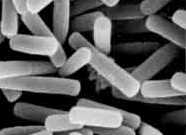 Researchers from the University of Pennsylvania School of Medicine in Philadelphia have
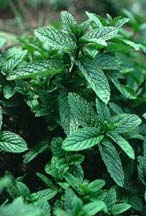 No consistent, good-quality patient-oriented evidence is available on peppermint oil (Mentha piperita). So, the authors based their
 Recently, 4 patients experienced seizures multiple times following heavy consumption of energy drinks. The authors
 Following prolonged heavy endurance exercise, the immune system is
 Fluorouracil (5-FU) is a drug that’s been used to treat cancer for about 40 years.
 Soy reportedly
 In preparation for the upcoming weight management
 Functional Ingredients