Radiation therapy can disturb bacterial colonies in the intestines and cause radiation-induced enteritis and colitis, leading to diarrhea in cancer patients.
Necrotizing enterocolitis is a serious intestinal disorder. It affects 7% to 15% of very low-birth-weight (less than 1500-gram; 3.3 pound) infants. Death occurs in about 12 per 100,000 affected babies.
The Ontario Neurotrauma Foundation asked experts from Canada and the United States to establish research priorities in the area of urological care following spinal cord injury (SCI).
Among their 5 priorities was the recommendation to study the value of probiotics to control the growth of bacteria and treat infections in the urinary tract.
Helicobacter pylori is a common infection of the stomach. Although most people have no symptoms, it’s related to the development of ulcers and is probably related to cancers involving the stomach.
Currently, H pylori infection is treated with a proton pump inhibitor plus two antibiotics — called triple therapy. Adding a probiotic food to triple therapy does not appear to help eliminate this bacteria in children.
A study from the University of Thessaloniki in Greece reports that administering a synbiotic formula has beneficial effects in critically ill trauma patients.
Seven out of 22 products tested had fewer viable organisms than claimed or generally known to be effective. And product was even contaminated with mold!
Here are the highlights of the discussion on traditional Chinese medicine (TCM) and probiotics during the recent American College of Allergy, Asthma and Immunology meeting, thanks to Medical News Today.
Pouchitis? In people who require an ileostomy, surgeons can use the intestines to create a “pouch” (as shown in the drawing) to store stool and decrease the frequency of passing fecal material through the opening. The pouch eliminates the need for an external bag to collect the feces. The Mayo Clinic has a nice review.
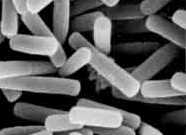 Radiation therapy can disturb bacterial colonies in the intestines and cause radiation-induced enteritis and colitis, leading to diarrhea in cancer patients.
 Several were effective.
 Reviewers from the Mayo Clinic are not ready to support any single CAM option, but some warrant further study, in their opinion.
 Chitosan is a pulverized powder made from the shells of shrimp and crab. It was discovered as part of an effort to clean up oil spills.
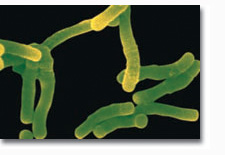 Helicobacter pylori is a common infection of the stomach. Although most people have no symptoms, it’s related to the development of ulcers and is probably related to cancers involving the stomach.
 Seven out of 22 products tested had fewer viable organisms than claimed or generally known to be effective. And product was even contaminated with mold!
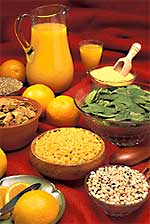 Functional Foods & Nutraceuticals has
 Here are the
 Confections are not viewed as products you use to get health benefits.
 Pouchitis? In people who require an ileostomy, surgeons can use the intestines to create a “pouch” (as shown in the drawing) to store stool and decrease the frequency of passing fecal material through the opening. The pouch eliminates the need for an external bag to collect the feces. The Mayo Clinic has a nice