We’re talking about the soft-bodied legless grub that is the larva of certain flies. Their benefits include cleaning the wound and possibly speeding healing.
Live probiotic bacteria and dietary prebiotic oligosaccharides (together termed synbiotics) are being used in infancy, but evidence of their long-term effects and safety is lacking.
It’s unclear whether killing the bacteria called Helicobacter pylori improves symptoms in patients with dyspepsia (ie, stomach pain with fullness, bloating, or nausea). But there is benefit in people with ulcers.
Here’s a review from American Family Physician that recommends that all of us with dyspepsia be tested and treated if H. pylori is found. Recommendations from the American College of Gastroenterology are here.
Resistance to antibiotics by bacteria is on the rise, both in the hospital and in the community. Could it be that herbals might increase the effectiveness of antibiotics?
The term, “probiotic” (meaning “for life”) was coined in the 1960’s, although the concept was introduced early in the 20th century. Probiotics are “good” bacteria that normally live in the intestines. They are found in foods such as yogurt, and in dietary supplements. Examples are Lactobacillus or Bifidobacterium. The beneficial effects of probiotics are achieved by changing the microflora (numbers and types of bacteria) within the intestines.
The FDA’s Center for Food Safety and Applied Nutrition’s Adverse Event Reporting System (CAERS) represents one of the few existing surveillance mechanisms.
Two reports from the University of Duisburg-Essen in Germany support the role of leeches (Hirudo medicinalis) to treat osteoarthritis of the knee. The first included 16 patients who, in addition to other treatments, received four medicinal leeches on the inflamed knee for 80 minutes. The response was compared to 6 patients given conventional pain treatment. The second study was of similar design in 51 patients.
Researchers from Curtin University of Technology in Perth, Australia evaluated a milk product containing probiotics and prebiotics (Cupday Milk) on the incidence of diarrhea in children in daycare centers. Continue reading Probiotics reduce diarrhea in children→
In general, past entries on this topic were positive, although peppermint oil gets a “C” rating (inconsistent or limited-quality patient-oriented evidence) for irritable bowel syndrome (IBS).
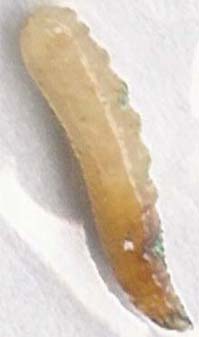 We’re talking about the soft-bodied legless grub that is the larva of certain flies. Their benefits include cleaning the wound and possibly speeding healing.
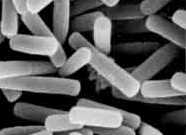 Live probiotic bacteria and dietary prebiotic oligosaccharides (together termed synbiotics) are being used in infancy, but evidence of their long-term effects and safety is lacking.
 Some studies suggest that cancer patients who take antioxidants are more likely to tolerate more full doses of chemotherapy.
 Your can
 Confusing? It won’t be after this.
 The FDA’s Center for Food Safety and Applied Nutrition’s Adverse Event Reporting System (CAERS) represents one of the few existing surveillance mechanisms.
 A couple of PharmDs from Ohio have published a
 Two reports from the University of Duisburg-Essen in Germany support the role of leeches (Hirudo medicinalis) to treat osteoarthritis of the knee. The
 If an elite athlete takes something that enhances the immune system, does that make it a performance enhancement drug?
 In general, past entries on this topic were positive, although peppermint oil gets a “C”
 The extent of the benefit is related to the person’s body mass index,