Among patients with epilepsy who follow a ketogenic diet, complete seizure control after 2 years is achieved in 24% — a 90% reduction in seizures is achieved in 52%. Unfortunately, only about 50% of patients (often children) can stay with the diet.
Now, a study reported during the annual meeting of the American Epilepsy Society concludes that seizure control with the Atkins diet is a possible alternative.
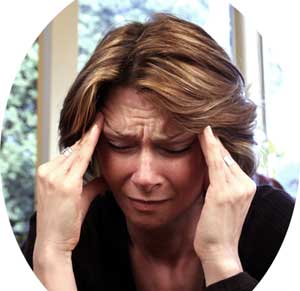
Several years ago, a Cochrane review concluded, “Overall, the existing evidence supports the value of acupuncture for the treatment of idiopathic headaches. However, the quality and amount of evidence are not fully convincing.”
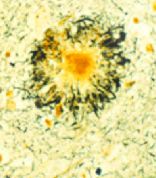
The most prominent neurochemical change in patients with Alzheimer’s disease is a deficiency of choline acetyltransferase, the enzyme responsible for the synthesis of acetylcholine.
Dr. Kathleen Kendall-Tackett is a health psychologist and a board certified lactation consultant from the University of New Hampshire in Durham. Her work focuses on family violence and perinatal health.
Raynaud’s disease causes some areas of the body (fingers, toes, tip of the nose and ears) to feel numb and cool in response to cold temperatures or stress. During a Raynaud’s attack, the arteries become narrow and limit blood flow to affected areas.
Temporomandibular joint (TMJ) dysfunction involves face pain, clicking sounds, and limited movement of the jaw. About 33% of the population has it; fewer need treatment.
This study suggests that cognitive behavioral therapy plus biofeedback is cost-effective treatment.
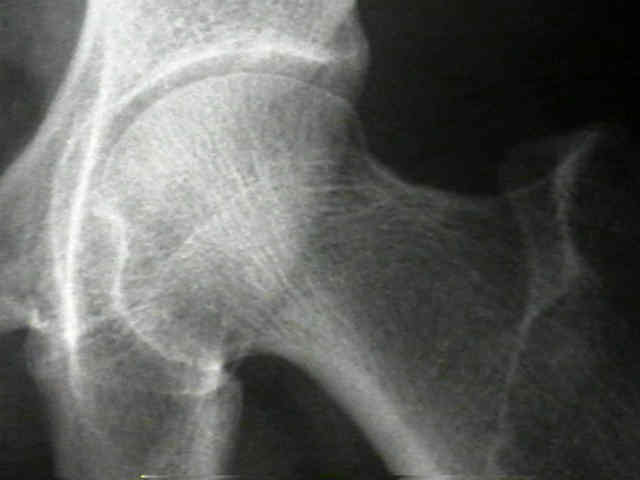
Researchers from the University of Western Sydney in Australia reviewed 40 years of research that compared calcium with or without vitamin D in older adults.
As summarized here, JELIS is the acronym for “Japan EPA Lipid Intervention Study.” It showed that adding eicosapentaenoic acid (EPA) — an active component of omega-3 fatty acids — to low-dose statin therapy lowered the risk for certain major problems involving the heart.
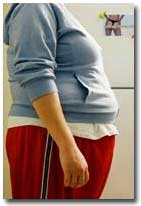
On a recent trip to Paris I was told that the reason there are no fat Parisian women is because they understand portion control in their diet. Restaurants in France serve smaller portions. Nobody complains because … well … they’re in Paris, after all.
Here’s a typical American approach to portion control, from Dr. Mary Ellen Camire and Megan Blackmore writing in the latest edition of Food Technology magazine.
Researchers from the Free University in Brussels used hypnosis to treat 28 patients who failed to respond to conventional treatments. It was either added to ongoing treatment or used alone. Continue reading Hypnosis to treat alopecia areata?→
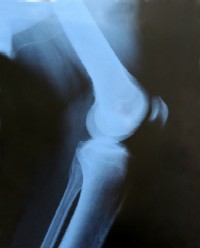
Earlier posts on this topic here and here might leave readers with the impression that the scientific literature doesn’t support glucosamine to help treat osteoporosis.
 Acupuncture appears to be a common complementary option in fertility clinics.
 This study concludes, “Mindfulness meditation may complement medical disease management by improving psychological distress and strengthening well-being in patients with RA.”
 How many of these recommendations from the American Heart Association relate to complementary lifestyle changes discussed on this blog?
 Among patients with epilepsy who follow a ketogenic
 Several years ago, a Cochrane review
 The most prominent neurochemical change in patients with Alzheimer’s disease is a deficiency of choline acetyltransferase, the enzyme responsible for the synthesis of acetylcholine.
 According to a study presented at the American Society of Anesthesiologists 2007 Annual Meeting, about 1 in 4 people with chronic pain also have inadequate blood levels of vitamin D.
 The Cancer Integrative Medicine Program at Rush University Medical Center focuses on dealing with the emotional, psychological, and spiritual effects of cancer.
 Dr. Kathleen Kendall-Tackett is a health psychologist and a board certified lactation consultant from the University of New Hampshire in Durham. Her
 Raynaud’s disease causes some areas of the body (fingers, toes, tip of the nose and ears) to feel numb and cool in response to cold temperatures or stress. During a Raynaud’s attack, the arteries become narrow and limit blood flow to affected areas.
 A
 That’s the main message in this
 Temporomandibular joint (TMJ) dysfunction involves face pain, clicking sounds, and limited movement of the jaw. About 33% of the population has it; fewer need treatment.
 Researchers from the University of Western Sydney in Australia
 In preparation for the upcoming weight management
 Researchers from the Free University in Brussels
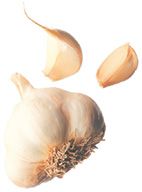 Garlic (Allium sativum) is one of the most commonly used
 Earlier posts on this topic