 Researchers from the Medical University of Vienna think “omega-3 fatty acids may be an effective treatment for children with autism.” Continue reading Studying the effects of omega-3 on children with autism
Category Archives: J. CONDITIONS TO TREAT
How vitamin D might protect from colon cancer
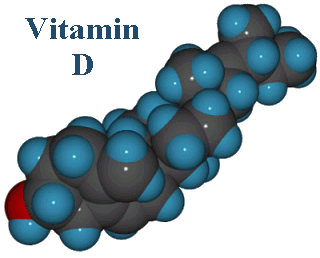 According to researchers from the National Institutes of Health in Bethesda, Maryland, there was no association between 25-hydroxy vitamin D (25(OH)D) and total cancer deaths. But higher blood levels of 25(OH)D levels were associated with lower mortality due to colorectal cancer.
More interesting is the possible reason for this effect. Continue reading How vitamin D might protect from colon cancer
Reviewing chiropractic to treat back pain
 Dr. Peter Stanton has commented before on this blog. He’s a board certified chiropractic orthopedist practicing in Burke, Virginia and graciously sent a list of studies that support chiropractic for back pain.
I listed the two studies first and the two reviews next.
Clinical trials
Author: Koes, 1992 Continue reading Reviewing chiropractic to treat back pain
Chiropractic and diabetes
Marijuana used to treat neuropathic pain in AIDs patients
 Neuropathic pain occurs when damaged or dysfunctional nerve fibers send incorrect signals to pain centers leading to feelings of tingling, numbness, and shooting and burning pain. It’s very discomforting to the patient and difficult to treat.
Here’s a study where cannabis showed benefit. Continue reading Marijuana used to treat neuropathic pain in AIDs patients
The evidence on cranberries to prevent urinary tract infections
 Cranberries are often used to prevent urinary tract infections (UTIs).
Is it worth the effort? Continue reading The evidence on cranberries to prevent urinary tract infections
Should we judge CAM by how the patient feels or by the change in the lab value?
 Here’s a study of the effectiveness of usual mainstream medical care for acute low back pain with and without the option for patients to add acupuncture, chiropractic, or massage to their treatment.
It comes from the Division for Research and Education in Complementary and Integrative Medical Therapies at the Osher Institute in Boston.
Continue reading Should we judge CAM by how the patient feels or by the change in the lab value?
The risk of stroke with chiropractic
 The association between stroke/cerebrovascular accident and manipulative procedures performed to the cervical spine is an issue that gets lots of attention from the media and critics of chiropractic.
Supporters of chiropractic counter that the critics take the “very remote” risk of vertebral artery dissection (VAD), which results in a stroke, and disproportionately magnify the “fear factor” in the general population.
Soy to treat menopausal symptoms?
 In an earlier post, women complained that they did not know the proper dose of soy-containing products to treat the symptoms of menopause, and had low confidence in the ability of healthcare professionals to provide this information.
Maybe now we know why.
Sadness reactivates depression
 I am not sure where the news is in this statement, but researchers in Toronto just published the results of a study that concluded, “Mild emotional stress or sadness can reactivate depressive thinking in patients with a history of depression, which may increase the risk of relapse.”
Probably of greatest interest is the finding that those who received antidepressant medication alone showed a poorer response following an event that caused a sad mood than people who received cognitive behavioral therapy.
Black cohosh and liver toxicity
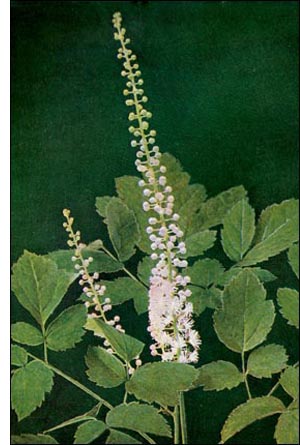 Concern that black cohosh, a popular alternative to prescription hormonal therapy for treating menopausal symptoms, can cause liver toxicity has prompted agencies in the U.K. and Australia to require manufacturers to add safety warnings to their labels.
Vitamin D: How much is enough?
Current recommended daily intakes of vitamin D are 200 international units (IU) for younger adults, 400 IU for those aged 51 to 70 years, and 600 IU for those older than 70 years.
Reviewing elemene to treat lung cancer
 Elemene is an extract from the ginger plant and an antitumor drug, which is approved to treat cervical cancer and cancer of the lung, liver, and brain in China.
There is some evidence that it kills lung cancer cells in the lab. Here is a Cochrane Library review of the data on lung cancer in humans. Continue reading Reviewing elemene to treat lung cancer
Chewing gum to reduce caloric intake
 NewsWise reports that research presented during the 2007 Annual Scientific Meeting of The Obesity Society, supports the role of chewing gum as an easy, practical tool for weight management. Continue reading Chewing gum to reduce caloric intake
Homeopathy for ADHD: Two perspectives
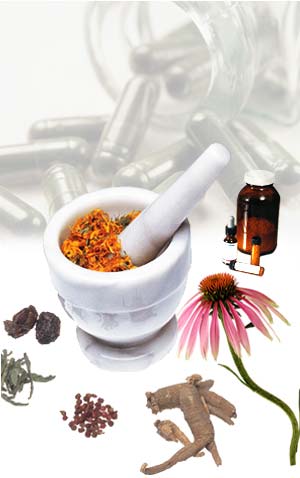 There’s interest in homeopathy’s potential as a non-pharmacological treatment for attention deficit/hyperactivity disorder (ADHD).
Here are both allopathic and homeopathic perspectives of the evidence. Continue reading Homeopathy for ADHD: Two perspectives
Remember, dietary supplements can’t actually claim to treat or cure anything
That’s why phrases like “boosts you immune system” and “enhances (insert organ of choice) health” are popular. They don’t mean anything.
However, when you make unsubstantiated claims (eg, treat, cure), the FDA gets annoyed. For example? Continue reading Remember, dietary supplements can’t actually claim to treat or cure anything
Should you avoid drinking cranberry juice while taking warfarin?
A review published in the journal Pharmacotherapy warns that drinking large amounts of cranberry juice while taking the blood thinner, warfarin (Coumadin) might increase the risk of bleeding.
How much cranberry juice do you have to drink?
That’s not clear.
Continue reading Should you avoid drinking cranberry juice while taking warfarin?
No more OTC meds to treat colds in children younger than 6 years old?
 “The data that we have now is they don’t seem to work,” said Dr. Sean Hennessy, a University of Pennsylvania epidemiologist and one of the experts who testified to the FDA today.
But what about CAM as an alternative? Continue reading No more OTC meds to treat colds in children younger than 6 years old?
Ayurvedic herbs used to treat schizophrenia
 The Cochrane Library reviewed the literature and found 3 small studies. Continue reading Ayurvedic herbs used to treat schizophrenia
Soy plus probiotic/prebiotic to lower cholesterol levels
Soy reportedly lowers LDL (bad) cholesterol blood levels a little, while the data on probiotics are mixed.
Would it help to combine them? Here’s a study that tries. Continue reading Soy plus probiotic/prebiotic to lower cholesterol levels