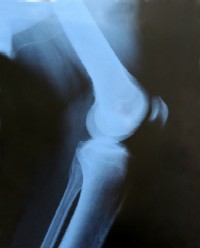
 The Health and Human Services’ Agency for Healthcare Research and Quality has reviewed the evidence and concludes that proof of benefit is lacking for dietary supplements, a common surgical procedure, and injected preparations. Continue reading A review of 3 treatments for osteoarthritis of the knee
Category Archives: J. CONDITIONS TO TREAT
Using CBT to treat depressed female veterans
 Using a cognitive behavioral therapy (CBT) appears more effective than “present-centered” therapy (talking about current problems) to treat female military veterans and active duty women with post-traumatic stress disorder (PSTD).
Continue reading Using CBT to treat depressed female veterans
Disappointing evidence for nonsurgical treatment of adult scoliosis
 According to researchers from the University of Rochester School of Medicine in New York, conservative care for this abnormal sideways curving of the spine is poorly supported by scientific evidence.” Continue reading Disappointing evidence for nonsurgical treatment of adult scoliosis
Using probiotics in children with cystic fibrosis
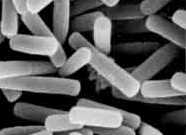 The results of this study suggest that probiotics might delay respiratory impairment. Continue reading Using probiotics in children with cystic fibrosis
The effect of a familiar odor on newborns during an uncomfortable procedure
 Exposure to a familiar odor was associated with less crying. Continue reading The effect of a familiar odor on newborns during an uncomfortable procedure
Treating low back pain: Guidelines from the mainstream
 Clinical Practice Guidelines for the diagnosis and treatment of low back pain have been published in the Annals of Internal Medicine by the American College of Physicians and the American Pain Society.
Here are recommendations #6 and #7. Continue reading Treating low back pain: Guidelines from the mainstream
Why is sham acupuncture “effective” in patients with fibromyalgia?
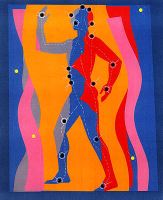 A recurring theme in acupuncture studies is the difficulty (dare I say inability) in distinguishing between the real thing and sham acupuncture. An example in patients with fibromyalgia (FMS) is here. Other conditions with the same problem are here, and here.
Now, Drs. Thomas Lundeberg and Irene Lund from the Karolinska Institutet in Stockholm, Sweden provide a rationale for the conundrum. Continue reading Why is sham acupuncture “effective” in patients with fibromyalgia?
Effectiveness of physical therapy exercise programs after knee replacement
A literature review reveals there are short-term benefits following elective primary total knee replacement (arthroplasty) for osteoarthritis. Continue reading Effectiveness of physical therapy exercise programs after knee replacement
Acupuncture does not reduce radiotherapy-induced nausea
However, said Dr. Anna Enblom during her presentation to the attendees at the 14th European Cancer Conference, “Both groups [sham and real acupuncture] of patients reported that they believed the treatment had been invasive and effective in reducing nausea.” Continue reading Acupuncture does not reduce radiotherapy-induced nausea
The health risks of panic attacks in postmenopausal women and CAM options
 The Women’s Health Initiative Observational Study reports “Panic attacks are relatively common among postmenopausal women and appear to be an independent risk factor for cardiovascular morbidity and mortality in older women.”
Let’s review the study and then the CAM connection. Continue reading The health risks of panic attacks in postmenopausal women and CAM options
Critiquing the rationale for using lime juice douche vaginally
 Lime has been used as a contraceptive and vaginal hygiene douche, particularly in Africa.
This study reports the safety of diluted lime juice. But let’s start with some background. Continue reading Critiquing the rationale for using lime juice douche vaginally
More negative results for garlic treatment of hypercholesterolemia
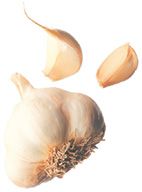 Garlic is widely promoted for its cholesterol-lowering effects, despite conflicting results from clinical studies.
Here’s another negative outcome and historical perspective in the Archives of Internal Medicine.
Continue reading More negative results for garlic treatment of hypercholesterolemia
Does dietary intake of omega-3 fatty acids lower the risk of type 1 diabetes?
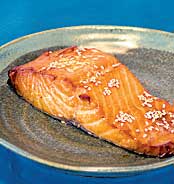 Type 1 diabetes (juvenile diabetes) accounts for 5% to 10% of all patients with diabetes.
Now, The Diabetes Autoimmunity Study in the Young (DAISY) reports an association between high dietary intake of omega-3 and a lower incidence of type 1 diabetes. Continue reading Does dietary intake of omega-3 fatty acids lower the risk of type 1 diabetes?
Flexion-distraction vs active exercise for chronic low back pain
 “Flexion-distraction [FD] involves the use of a specialized table [see photo] that gently distracts or stretches the spine,” says Dr. Arn Strasser from the Center for Chiropractic & Pain Rehabilitation in Portland, Oregon.
OK, but how does it compare to an active trunk exercise (ATE) protocol (see photo below) as performed by physical therapists?
Continue reading Flexion-distraction vs active exercise for chronic low back pain
Good news on ephedra-free weight loss products
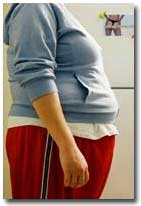 They don’t contain ephedra.
This might seem intuitive, but with supplements you can’t be sure until you test.
Continue reading Good news on ephedra-free weight loss products
Surprising results and conclusions from the GERAC acupuncture trials for low back pain
Conflicting findings on the effectiveness of acupuncture are often attributed to flaws in study design and methods. The German Acupuncture Trials (GERAC) were intended to demonstrate that it’s possible to design acupuncture studies in accordance with the standards of good clinical practice.
Here’s what they report. Continue reading Surprising results and conclusions from the GERAC acupuncture trials for low back pain
Bad news for calcium supplements
 This review by the Cochrane Collaboration of 19 clinical trials in almost 3000 children treated with calcium or placebo reveals that bone mineral density (BMD) increases the same amount in the hip and spine whether children take calcium supplements or placebo. Continue reading Bad news for calcium supplements
Trigger point acupuncture for neck pain
 This study by researchers at Meiji University of Oriental Medicine in Kyoto, Japan concludes it’s effective. But what, exactly, is the meaning of “trigger point?” Continue reading Trigger point acupuncture for neck pain
A bewildering study of acupuncture treatment of dysmenorrhea
Why do CAM journals publish useless studies?
Case in point. Continue reading A bewildering study of acupuncture treatment of dysmenorrhea
Background noise helps ADHD children learn
 Göran Söderlund at Stockholm University defended his doctoral thesis recently.
 The title? Noise improves cognitive performance in children with dysfunctional neurotransmission. Continue reading Background noise helps ADHD children learn