 Patients with advanced cancer frequently use CAM.
Researchers at the University of Toronto, in Canada, examined the use of CAM and implications for patient care. Continue reading Spirituality as a guide to care in advanced cancer
Patients with advanced cancer frequently use CAM.
Researchers at the University of Toronto, in Canada, examined the use of CAM and implications for patient care. Continue reading Spirituality as a guide to care in advanced cancer
 Having cancer may result in emotional, physical, and social suffering. Music interventions have been used to alleviate symptoms and treatment side effects in cancer patients.
The authors of this Cochrane review report the response to music among cancer patients. Continue reading Benefits of music therapy for cancer patients
 Anti-hormonal therapy of breast cancer patients with the anti-estrogen tamoxifen (Nolvadex) often induces or aggravates menopausal complaints.
Researchers at the University Hospital, in Zurich, Switzerland measured the response to black cohosh. Continue reading Combining black cohosh with tamoxifen in breast cancer therapy
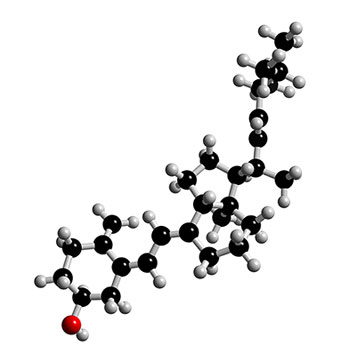 Researchers at Stanford University School of Medicine, in Redwood City, California, evaluated the effects of vitamin D combined with calcium supplementation on melanoma skin cancers. Continue reading Failure to lower skin cancer risk with vitamin D
 Researchers at the Cancer Centers of the Carolinas, in Seneca, South Carolina, studied the effects of the Yoga for Cancer Survivors (YOCAS) program on sleep, fatigue, and quality of life.
The results were reported during the annual American Society of Clinical Oncology meeting. Continue reading Benefits of yoga in cancer survivors
 The beneficial effects of soy protein, soy isoflavones, and their metabolites on women’s health are unclear.
So, the North American Menopause Society convened a seminar of experts in the field. Continue reading The role of soy isoflavones in menopausal health
 Colorectal cancer is strongly associated with a Western lifestyle.
Researchers at Harvard Medical School, in Boston, present an overview of the evidence. Continue reading Options to prevent colorectal cancer
 Researchers at the National Center for Complementary and Alternative Medicine (NCCAM), National Institutes of Health, in Bethesda, Maryland tell us acupuncture may be a clinically useful. Continue reading Acupuncture to treat hiccups in cancer patients
 Acupuncture is frequently used to manage the side effects associated with cancer therapy.
Researchers at Columbia University Medical Center, in New York City, studied the safety of acupuncture in patients with cancer treatment-related thrombocytopenia. Continue reading Is acupuncture safe for children with cancer and low platelet counts?
 Prof. Ernst has reviewed all the studies. Continue reading A systematic review of reflexology
 Researchers at the University of California San Francisco examined the value of vigorous activity and brisk walking after diagnosis on the risk of prostate cancer progression. Continue reading Value of physical activity after diagnosis of prostate cancer
 Hot flashes are a common symptom during the menopause transition or following breast cancer treatment.
During the American Society of Clinical Oncology meeting, researchers at various centers in the US reported their findings. Continue reading Evaluating flaxseed to treat hot flashes
 Researchers at the University of California, Davis, studied the response to soy hypocotyl isoflavone supplementation in healthy menopausal women.
In the plant seed, the hypocotyl connects the embryonic root to the seed leaf. Continue reading Long-term response to soy isoflavones
Researchers at the University of Sheffield, in the UK, reviewed the evidence for calcium in reducing the recurrence of adenomas (benign tumors) and the occurrence of colorectal cancer. Continue reading Review: Supplemental calcium to prevent colorectal cancer
 We commonly take them, but studies show mixed results regarding their health benefits, according to researchers at Duke University Medical Center, in Durham, North Carolina. Continue reading The value of nutritional supplements in older adults
 During the Clinical Oncological Society of Australia Annual Scientific Meeting, researchers at Sir Charles Gairdner Hospital, in Perth, Western Australia reported less distress, and improvements in pain, fatigue, nausea, appetite, sleep, breathing and bowel function. Continue reading Using CAM to improve the lives of cancer patients
 Researchers from the UCLA Division of Cancer Prevention and Control Research, Los Angeles, California think Reiki, therapeutic touch, and healing touch warrant further research. Continue reading Biofield Therapies: Helpful or Full of Hype?
Many studies suggest that we may need more vitamin D than presently recommended to prevent chronic disease.
Dr. Christine Gonzalez reviewed the evidence for disease prevention. Let’s focus on what’s known and what requires more evidence. Continue reading Here’s what we know about vitamin D
A key outcome of early cancer drug studies is the toxicity of a new experimental drug. The use of CAM in patients with advanced cancer might make it difficult to make this determination.
Researchers at The University of Texas MD Anderson Cancer Center, in Houston, studied the prevalence of CAM use in their patients participating in experimental cancer drug treatment studies. Continue reading CAM use among cancer patients during drug trials
 High-grade prostatic intraepithelial neoplasia (HGPIN) is a precursor of invasive prostate cancer (PCa). Some preliminary evidence suggests vitamin E, selenium, and soy protein may prevent progression of HGPIN to PCa.
Researchers at Princess Margaret Hospital, in Toronto, Ontario tested this hypothesis. Continue reading Vitamin E, selenium, + soy to treat prostate cancer?