 The effect of genistein, daidzein, miso soup, and soy food on the risk of prostate cancer differs based on the stage of the disease.
Continue reading Update on soy, isoflavones, and the risk of prostate cancer
The effect of genistein, daidzein, miso soup, and soy food on the risk of prostate cancer differs based on the stage of the disease.
Continue reading Update on soy, isoflavones, and the risk of prostate cancer
 Aside from the finding (summarized here) that marijuana smoking is not associated with lung cancer, here is a list of its effects on lung function.
Continue reading The effects of smoking marijuana on the lungs
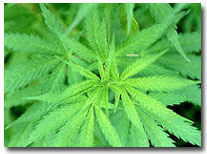 People who smoked marijuana in their youth are getting to the age when cancers are seen. Therefore, we’re probably on the verge of seeing many studies on the effects marijuana’s long-term health consequences.
Among more than 2000 people living in Los Angeles County, long-term marijuana users who smoked more than 22,000 joints over a lifetime showed no greater risk than infrequent marijuana users or nonusers.
How could this be?
Continue reading Marijuana use not associated with lung cancer
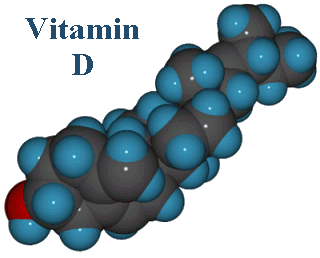 According to researchers from the National Institutes of Health in Bethesda, Maryland, there was no association between 25-hydroxy vitamin D (25(OH)D) and total cancer deaths. But higher blood levels of 25(OH)D levels were associated with lower mortality due to colorectal cancer.
More interesting is the possible reason for this effect. Continue reading How vitamin D might protect from colon cancer
Current recommended daily intakes of vitamin D are 200 international units (IU) for younger adults, 400 IU for those aged 51 to 70 years, and 600 IU for those older than 70 years.
 Elemene is an extract from the ginger plant and an antitumor drug, which is approved to treat cervical cancer and cancer of the lung, liver, and brain in China.
There is some evidence that it kills lung cancer cells in the lab. Here is a Cochrane Library review of the data on lung cancer in humans. Continue reading Reviewing elemene to treat lung cancer
 The Cancer Integrative Medicine Program at Rush University Medical Center focuses on dealing with the emotional, psychological, and spiritual effects of cancer. Continue reading Integrating CAM into traditional cancer treatments in Chicago
Baicalin (Chinese skullcap) comes from Scutellaria baicalensis Georgi. This anti-inflammatory herbal is used in traditional Chinese medicine to treat cancer, liver disease, allergies, skin conditions, and epilepsy. Rosuvastatin (Crestor) is a member of the stain class of drugs used to lower LDL (bad) cholesterol. Continue reading Herb-drug interaction between baicalin and rosuvastatin
 Three criteria determine drug reimbursement decisions: therapeutic value, cost effectiveness, and burden of disease. Now, an article from Erasmus University in The Netherlands questions whether it’s sufficient for a drug to meet these criteria, and proposes a 4th hurdle.
Consider how CAM would hold up under such scrutiny based on what we know today. Continue reading Is CAM cost effective treatment?
 It appears to enhance emotional well-being and mood, according to researchers in New York. Continue reading Yoga and quality of life in breast cancer patients
 Withania somnifera Dunal, commonly known as ashwagandha and Indian ginseng, has a long list of uses in Ayurvedic medicine.
In the treatment of cancer, here’s what we know.
Continue reading Withania somnifera and its potential role in cancer treatment
Low vitamin D status has long been implicated in colorectal cancer.
This study looks at the relation between blood levels of vitamin D and the risk of colon, colorectal, and rectal cancer in men and women. Continue reading What is the effect of vitamin D blood levels on colon and rectal cancer?
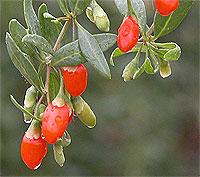 Time Magazine named the Himalayan Goji berry as the breakout superfruit of the year!
It’s promoted to
Wow! That’s enough for me..
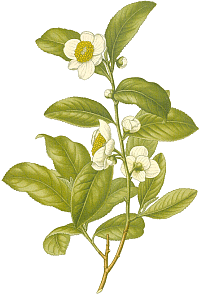 On the positive side, green tea is cheap, widely available, and has low toxicity. Now, we just need some good studies of efficacy.
Writing in the Mayo Clinic Proceedings, 5 researchers summarized what we know so far. Continue reading The potential of green tea for cancer prevention and treatment
This reanalysis of the results (meta-analysis) from 8 studies concluded, “folic acid supplementation can effectively reduce the risk of a first stroke.”
But what about colon cancer? Continue reading Folic acid and the stroke connection
The value of folic acid supplementation is not clear. This large study found no benefit. In fact, folic acid supplements might cause harm. Continue reading The saga continues: Folic acid does not protect from colon cancer
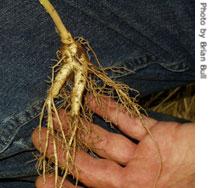 This entry goes back to the top of the gueue in light of a new study of sertraline (Zoloft). Read the comment.
This is the first study to evaluate the Wisconsin species of American ginseng as a possible treatment for cancer-related fatigue.
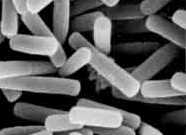 Radiation therapy can disturb bacterial colonies in the intestines and cause radiation-induced enteritis and colitis, leading to diarrhea in cancer patients.
In this study, researchers at the San Camillo Hospital in Rome, Italy used probiotics to reduce this complication. Continue reading Using probiotics to lessen diarrhea after radiation therapy
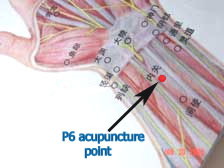 This study used Pericardium 6 (Neiguan) acupoint (photo) to reduce chemotherapy-induced nausea and vomiting.
It raises as many questions as it attempts to answer.
Continue reading P6 acupressure for nausea and vomiting in breast cancer patients
 Researchers from the Medical University of Vienna reviewed and reanalyzed the results from 25 studies of the treatment of the climacteric syndrome (menopause).
Their findings are not always clear-cut. Continue reading The value of phytoestrogens during menopause