 Selenium is a simple, inexpensive, and safe adjunct therapy in HIV spectrum disease.
That’s the conclusion from a study from the University of Miami.
Here’s the study.
Continue reading Positive effects of selenium in patients with HIV
Selenium is a simple, inexpensive, and safe adjunct therapy in HIV spectrum disease.
That’s the conclusion from a study from the University of Miami.
Here’s the study.
Continue reading Positive effects of selenium in patients with HIV
 Lead, mercury, and (oh yeah) arsenic intoxication have been associated with Ayurvedic herbal medicines.
Here’s an account of one patent’s experience. Continue reading Arsenic toxicity from Ayurvedic
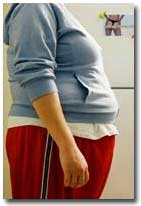 A couple of PharmDs from Ohio have published a review of 16 weight loss supplements (and 1 drug) used to help shed excess girth.
I’ll give just the bottom line on each supplement here. Continue reading Popular weight loss supplements reviewed
 An article published on Medscape discusses the impact of stress on insomnia. In addition to a brief mention of mindfulness, the author limits the discussion to benzodiazepines or ramelteon (Rozerem), which acts on melatonin receptors.
There are so many other options that the author fails to even mention. So, I’ll mention them here. Continue reading Giving equal time to CAM options to manage stress
 St. John’s wort (Hypericum perforatum) and S-adenosyl-l-methionine (SAMe) top the list, according to this review from the University of Pittsburgh School of Medicine in Pennsylvania. Continue reading Another review of CAM options for bipolar disorder
A woman from Iowa has filed a lawsuit claiming she contracted lead poisoning from a Maharishi herbal product.
She apparently got it from a physician at a clinic in India.
A reader treated by the same doctor at the same clinic had a different experience and shares it in his comment.
Continue reading Going to court over the lead content in Ayurvedic meds
 Caught in the act by the FDA, Herbal Science International, Inc. (aka Jen-On Herbal Science International, Inc.) is recalling 12 dietary supplements that contain ephedra, aristolochic acid, or human placenta.
Human placenta! Continue reading Consumer alert: 12 dietary herbal supplements
The U.S. Food and Drug Administration advises not to purchase or consume Total Body Formula in the flavors of Tropical Orange and Peach Nectar, or Total Body Mega Formula in the Orange/Tangerine flavor.
There are 43 reports of people in 9 states who experienced serious adverse reactions. Continue reading Consumer alert: “Total Body Formula” and “Mega Formula”
 Â This qualifies for mention here because this product contains menthol. Continue reading Consumer alert: IcyHot
 The products were purported to contain glucosamine, chondroitin, and MSM (methylsulfonylmethane). You can buy the full report here, or MSNBC gives a glimpse of the findings here.
Two products exposed include Nature’s Plus Ultra Maximum Strength Chondroitin 600 for people and Nutri-Vet Nutritionals Hip and Joint Soft Chews for dogs. Continue reading ConsumerLab flunks 8 of 38 bone health products
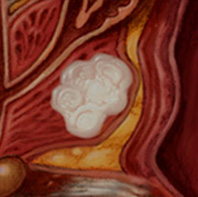 Ten years ago, the late Dr. William Fair, a surgeon at the Memorial Sloan-Kettering Cancer Center and CAM advocate wrote, “epidemiologic and laboratory evidence increasingly demonstrate that nutritional factors, especially reduced fat intake, soy proteins, vitamin E derivatives, and selenium, may have a protective effect against prostate cancer.”
Now, Steffen Theobald, a nutritional consultant and manager at the Scientific Association for the Improvement of Patient Competence in Germany updates the role of nutrition in the development, prevention, and treatment of prostate cancer.
Continue reading A ten-year perspective: The influence of nutrition on prostate cancer
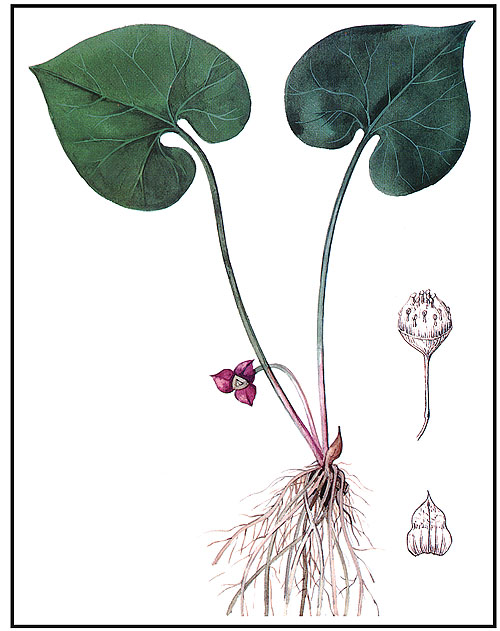 The use of products containing aristolochic acid, including botanical products marketed as traditional medicines, has been associated with nephropathy (kidney disease) characterized by rapidly progressive scaring and cancer.
The authors of this article from the Princess Margaret Hospital in Hong Kong describe 5 patients who experienced aristolochic poisoning. Continue reading More cases of aristolochic acid kidney toxicity reported
Dr. Philip Hansten from the University of Washington School of Pharmacy has spent more than 30 years chronicling and documenting drug interactions.
In an article in Pharmacy Times, he and Dr. John Horn focus on the risks for people with diabetes or taking blood thinners. Continue reading Getting specific about CAM-drug interactions
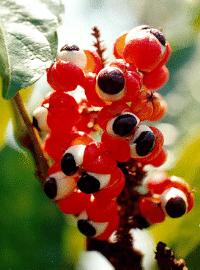 Recently, 4 patients experienced seizures multiple times following heavy consumption of energy drinks. The authors proposed that energy drinks rich in caffeine, taurine, and guarana seed extract could have provoked these seizures.
Here’s what we know about guarana thanks to researchers from the University of Florida at Gainesville and the Brazilian Agricultural Research Corporation (EMBRAPA) in Amazonas, Brazil. Continue reading Seizures associated with guarana in energy drinks
 It’s only one patient (not the one in the photo), but it might reflect a bigger problem.
Here’s what happened.
Continue reading Arsenic poisoning from an herbal kelp supplement
MayoClinic.com has reviewed the topic and has recommendations.
Here are the highlights. Continue reading Nutrition and preventing prostate cancer
 Nasal irrigation (photo) is a personal hygiene practice where the nasal cavity is flooded with warm saline solution. The goal is to clear out excess mucus and moisturize the nasal cavity.
This study compared this technique to a saline spray in people with chronic nasal and sinus symptoms. Continue reading Saline irrigation vs saline nasal spray to control nasal symptoms
 A study from the University of Nebraska reports that antibiotics are too frequently prescribed to treat sinus infections (acute or chronic rhinosinusitis).
That’s not new, but the mention of using a salt-water rinse as treatment is worth discussing.
Continue reading Saline irrigation to treat sinus infections
Dashmoola is a popular herbal formulation in ayurvedic medicine. It’s used to reduce fever and modify the immune response.
In this study, scientists from the National Botanical Research Institute in Lucknow, India tested the roots and stems from 10 herbs used to prepare Dashmoola. Continue reading Toxic metals and pesticides in the ayurvedic formulation, Dashmoola
In preparation for the upcoming weight management conferences in Europe, here is what we know about the value of herbals as an aid to weight loss.
Continue reading Herbal supplements for weight loss: What works, what doesn’t