There are more than 475 million menopausal women in the world. And as if that’s not scary enough, it can last 6 to 13 years and lead to side effects such as night sweats and hot flashes. Up to 75% of menopausal women experience some form of hot flashes.
A small study in England in 2003 found that acupuncture reduced the frequency and severity of hot flashes in 47 women treated with tamoxifen for breast cancer. The mean reduction in hot flashes was 42% at the end of 8 treatments, and 34% at 1-month following the last treatment.
Pain is the most common symptom of rheumatic disease (mostly arthritis) in children. This review on Medscape includes cognitive behavioral therapy (CBT) and physical therapy/exercise as complementary options to other, mostly pharmacological treatments.
Pelvic floor dyssynergia-type constipation occurs when pelvic muscles contract instead of relaxing when a person strains to defecate. It’s “functional” because the muscles needed to defecate aren’t working properly.
In their article published in InsideMS, Dr. Allen Bowling and Tom Stewart caution, “It’s not clear if omega-3 fatty acids really improve multiple sclerosis (MS).”
However, there is a scientific rationale for this supplement and some hints of effectiveness.
HealthBeat, published by Harvard Health Publications, has an excellent article with solid recommendations about the health benefits and risk of eating seafood.
It’s particularly appropriate in light of recent studies here and here supporting the value of omega-3 fatty acids in pregnant women.
People who smoked marijuana in their youth are getting to the age when cancers are seen. Therefore, we’re probably on the verge of seeing many studies on the effects marijuana’s long-term health consequences.
Among more than 2000 people living in Los Angeles County, long-term marijuana users who smoked more than 22,000 joints over a lifetime showed no greater risk than infrequent marijuana users or nonusers.
Since Hippocrates advised “Let food be thy medicine and medicine be thy food,” we have defined medicines and foods based on what is known about each substance in terms of efficacy, safety and the significance of its perceived contribution to health.
Over time, we redefine these substances as our experience and expectations change.
The article starts by asserting, “There is increasing clinical acceptance of acupuncture as a treatment of substance-related disorders.” That’s why these researchers compared it to — of all things — “aromatherapy in reducing the duration and severity of symptoms of alcohol withdrawal.”
Alternative & Complementary Therapies has a review of biofeedback by Dr. Sala Horowitz. In it she includes a table that rates the value of biofeedback to treat selected conditions based on the available research.
For the second time in less than two months, a study of pregnant women concludes that their babies do better if the women make sure they get enough omega-3 fatty acids during pregnancy.
In this case, “enough” is more than the 340 grams of seafood per week that’s usually recommended.
This time they ate seafood rather than take supplements.
Dr. Susan Levy reviewed charts for 284 patients at the Regional Autism Center, which is associated with The Children’s Hospital of Philadelphia. She found that 32% of the children were using CAM.
Dr. Kenneth Pelletier from the University of Arizona and University of California School of Medicine in San Francisco has posted an editorial on Medscape.
According to Dr. Pelletier, “There is a substantial and growing body of [CAM] evidence based on research and clinical practice.”
 There are more than 475 million menopausal women in the world. And as if that’s not scary enough, it can last 6 to 13 years and lead to side effects such as night sweats and hot flashes. Up to 75% of menopausal women experience some form of hot flashes.
 Researchers from the Royal Hallamshire Hospital in Sheffield, UK
 Pain is the most common symptom of rheumatic disease (mostly arthritis) in children. This
 Bone-loading exercises help prevent osteoporosis.
 Dr. Stephen Wright from Queen?s University of Belfast, Northern Ireland
 Aside from the finding (summarized
 Pelvic floor dyssynergia-type constipation occurs when pelvic muscles contract instead of relaxing when a person strains to defecate. It’s “functional” because the muscles needed to defecate aren’t working properly.
 ? The media regularly reminds us of the dangers and difficulties in treating infections caused by microorganisms that are resistant to antibiotics.
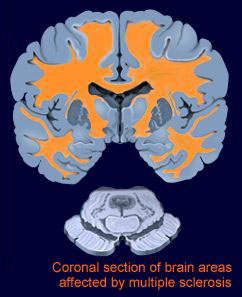 In their
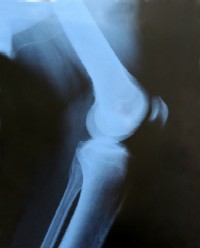 Following total knee replacement, patients must perform exercises several times a day. It’s a painful part of recovery.
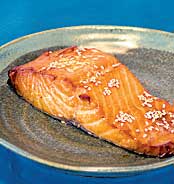 HealthBeat, published by Harvard Health Publications, has an excellent
 People who smoked marijuana in their youth are getting to the age when cancers are seen. Therefore, we’re probably on the verge of seeing many studies on the effects marijuana’s long-term health consequences.
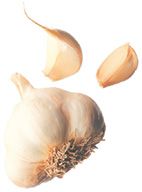 Since Hippocrates advised “Let food be thy medicine and medicine be thy food,” we have defined medicines and foods based on what is known about each substance in terms of efficacy, safety and the significance of its perceived contribution to health.
 Alternative & Complementary Therapies has a review of biofeedback by Dr. Sala Horowitz. In it she includes a table that rates the value of biofeedback to treat selected conditions based on the available research.
 Dr. Susan Levy reviewed charts for 284 patients at the Regional Autism Center, which is associated with The Children’s Hospital of Philadelphia. She found that 32% of the children were using CAM.
 Dr. Kenneth Pelletier from the University of Arizona and University of California School of Medicine in San Francisco has posted an
 The effect of pregnancy on asthma is