The Miami Herald reports that the Florida Comprehensive Assessment Test (FCAT) is a pressure-packed time for kids.
To address this need, companies offering a yoga curriculum and teacher training have cropped up nationwide, according to the article, with some adding academics to the stretches.
The American Academy of Child and Adolescent Psychiatry (AACAP) has published a new Practice Parameter report on attention-deficit hyperactivity disorder (ADHD). The Practice Parameter represents AACAP’s views on evaluating and treating ADHD.
“The range of what we think and do is limited by what we fail to notice. And because we fail to notice that we fail to notice, there is little we can do to change until we notice how failing to notice shapes our thoughts and deeds.”
According to researchers from the National Institutes of Health in Bethesda, Maryland, there was no association between 25-hydroxy vitamin D (25(OH)D) and total cancer deaths. But higher blood levels of 25(OH)D levels were associated with lower mortality due to colorectal cancer.
Here is a key point about Hoodia and its active ingredient (P57) based on a supportive article. (Italics added for emphasis.) “P57 is an appetite suppressant with … no effects on behavior.”
Perhaps you heard the story of the Kalahari Bushmen who live off the land and eat part of the hoodia stem to ward off hunger and thirst during hunting trips.
Dr. Peter Stanton has commented before on this blog. He’s a board certified chiropractic orthopedist practicing in Burke, Virginia and graciously sent a list of studies that support chiropractic for back pain.
I listed the two studies first and the two reviews next.
Neuropathic pain occurs when damaged or dysfunctional nerve fibers send incorrect signals to pain centers leading to feelings of tingling, numbness, and shooting and burning pain. It’s very discomforting to the patient and difficult to treat.
Here’s a study of the effectiveness of usual mainstream medical care for acute low back pain with and without the option for patients to add acupuncture, chiropractic, or massage to their treatment.
It comes from the Division for Research and Education in Complementary and Integrative Medical Therapies at the Osher Institute in Boston.
The association between stroke/cerebrovascular accident and manipulative procedures performed to the cervical spine is an issue that gets lots of attention from the media and critics of chiropractic.
Supporters of chiropractic counter that the critics take the “very remote” risk of vertebral artery dissection (VAD), which results in a stroke, and disproportionately magnify the “fear factor” in the general population.
As part of our ongoing fascination with whiplash injury, here is a report on the value derived when victims watched a brief video as part of their initial care in the emergency room or urgent care center.
Yes, they teach CAM at osteopathic and allopathic medical schools.
This survey concludes we need less advocacy and more reliance on evidence-based medicine (ie, combining research evidence with clinical expertise and patient values).
In an earlier post, women complained that they did not know the proper dose of soy-containing products to treat the symptoms of menopause, and had low confidence in the ability of healthcare professionals to provide this information.
Cosmeceuticals represent a marriage between cosmetics and pharmaceuticals. Like cosmetics, cosmeceuticals are topically applied, but they contain ingredients that influence the biological function of the skin. Cosmeceuticals improve appearance, but they do so by delivering nutrients necessary for healthy skin.
I am not sure where the news is in this statement, but researchers in Toronto just published the results of a study that concluded, “Mild emotional stress or sadness can reactivate depressive thinking in patients with a history of depression, which may increase the risk of relapse.”
Probably of greatest interest is the finding that those who received antidepressant medication alone showed a poorer response following an event that caused a sad mood than people who received cognitive behavioral therapy.
Concern that black cohosh, a popular alternative to prescription hormonal therapy for treating menopausal symptoms, can cause liver toxicity has prompted agencies in the U.K. and Australia to require manufacturers to add safety warnings to their labels.
 The Miami Herald reports that the Florida Comprehensive Assessment Test (FCAT) is a pressure-packed time for kids.
 The American Academy of Child and Adolescent Psychiatry (AACAP) has published a new Practice Parameter report on attention-deficit hyperactivity disorder (ADHD). The Practice Parameter represents AACAP’s views on evaluating and treating ADHD.
 What’s this got to do with CAM?
 “The range of what we think and do is limited by what we fail to notice. And because we fail to notice that we fail to notice, there is little we can do to change until we notice how failing to notice shapes our thoughts and deeds.”
 The report appears on the Mayo Clinic
 Isoflavones are one of the phytoestrogens found mainly in soybeans. Here’s a somewhat technical
 Researchers from the Medical University of Vienna think “omega-3 fatty acids may be an effective treatment for children with autism.”
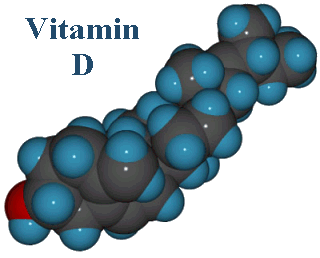 According to researchers from the National Institutes of Health in Bethesda, Maryland, there was no association between 25-hydroxy vitamin D (25(OH)D) and total cancer deaths. But higher blood levels of 25(OH)D levels were associated with lower mortality due to colorectal cancer.
 Here is a key point about Hoodia and its active ingredient (P57) based on a supportive
 Dr. Peter Stanton has
 Dr. Charles
 Neuropathic
 Cranberries are often used to prevent urinary tract infections (UTIs).
 Here’s a
 The association between stroke/
 As part of our ongoing
 Yes, they teach CAM at osteopathic and allopathic medical schools.

 I am not sure where the news is in this statement, but researchers in Toronto just published the results of a
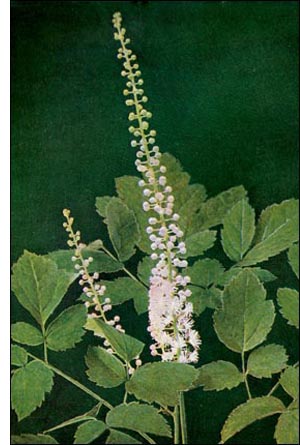 Concern that black cohosh, a popular alternative to prescription hormonal therapy for treating menopausal symptoms, can cause liver toxicity has prompted agencies in the U.K. and Australia to