In an earlier post, women complained that they did not know the proper dose of soy-containing products to treat the symptoms of menopause, and had low confidence in the ability of healthcare professionals to provide this information.
The Women’s Health Initiative Observational Study reports “Panic attacks are relatively common among postmenopausal women and appear to be an independent risk factor for cardiovascular morbidity and mortality in older women.”
Anael L’Esperance-Nascimento (photo) is the little boy from Quebec whose parents refused a second round of chemotherapy for his brain and spinal cord tumors. Instead, Anael will be treated at the Hippocrates Health Institute in Florida.
In 2002, the Parkinson Study Group reported that CoQ10 (coenzyme Q 10) slowed deterioration in patients with early Parkinson’s disease even though it failed to postpone the start of levodopa (Dopar) treatment.
The Zoft Gum Company, which makes several herbal supplement chewing gums (eg, breast enlargement, weight reduction) has introduced a new gum to help manage the symptoms of menopause.
There are no studies of this gum for treating menopausal symptoms in women. And the discussion of the gum’s ingredients on the Zoft website is misleading.
I received some emails promoting Nature Made CholestOff. It contains plant extracts called phytonutrients, specifically phytosterols and phytostanols. They work by reducing the absorption of LDL “bad” cholesterol and total cholesterol from the intestines.
Researchers from the Medical University of Vienna reviewed and reanalyzed the results from 25 studies of the treatment of the climacteric syndrome (menopause).
An earlier entry cautioned about being overly enthusiastic about dehydroepiandrosterone (DHEA) as a miracle supplement. Now, we have evidence that it lacks any measurable anti-aging effect.
The average person consumes 25 to 50 mg of quercetin a day. In this double-blind study, 20 cyclists took 1,000 mg of quercetin a day or placebo for five weeks.
Using soy foods to replace foods high in animal protein that contain fat and cholesterol might help improve cholesterol levels and confer benefits to cardiovascular health in postmenopausal women.
Lipids Online has a good summary of a study just published in the journal, Menopause.
 In an earlier post, women complained that they did not know the proper dose of soy-containing products to treat the symptoms of menopause, and had low confidence in the ability of healthcare professionals to provide this information.
 The Women’s Health Initiative Observational Study
 It has been reported in 3 people.
 Anael L’Esperance-Nascimento (photo) is the little boy from Quebec whose parents
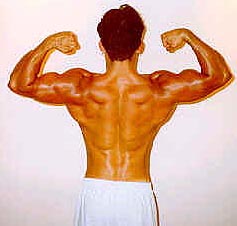 In patients with polymyositis and dermatomyositis — conditions characterized by weakness and swelling of limb and neck muscles — taking creatine supplements
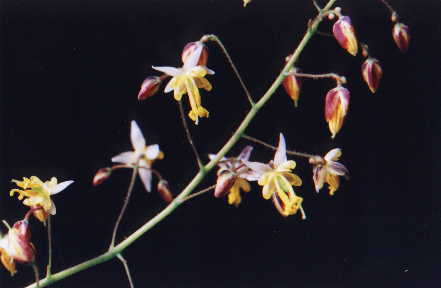 Horny goat weed, also known as epimedium and yin yan huo, is a source of phytoestrogens.
 The Centers for Disease Control (CDC) has released its biennial
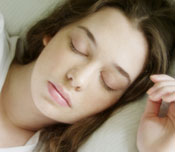 Patients with the highest risk for sleep disturbance are those with pain, mental illness, limited activity, and overall “poor physical and mental health.”
 The Zoft Gum Company, which makes several herbal supplement chewing gums (eg, breast enlargement, weight reduction) has
 A news
 The former produces skin inflammation and muscle weakness. People with the later condition get weakness of limb and neck muscles, with muscle pain and swelling.
 I received some emails promoting Nature Made CholestOff. It contains plant extracts called phytonutrients, specifically phytosterols and phytostanols. They work by reducing the absorption of LDL “bad” cholesterol and total cholesterol from the intestines.
 An earlier
 Quercetin
 s?
 Using soy foods to replace foods high in animal protein that contain fat and cholesterol might help improve cholesterol levels and confer benefits to cardiovascular health in postmenopausal women.