 Â Brain levels of glutathione are lower in schizophrenia — a disorder that often is chronic and not responsive to treatment. Since N-acetylcysteine (NAC) increases brain levels of glutathione in rodents, an international group of researchers sought to determine its effect in patients. Continue reading Using N-acetylcysteine to treat schizophrenia
Category Archives: I. PROTEIN/ENZYMES
Review of herbal medicines in gynecology
 Dr. Cathi Dennehy from the Department of Clinical Pharmacy at the University of California San Francisco has reviewed the evidence.
I was surprised by her assessment of black cohosh for menopausal symptoms.
Here’s a summary of her findings.
Weak studies on huperzine A for Alzheimer’s disease
I’m surprised by the position of the Alzheimer’s Association regarding huperzine A (shuangyiping). “Evidence from small studies shows that the effectiveness of huperzine A may be comparable to that of the approved drugs.”
Really? Continue reading Weak studies on huperzine A for Alzheimer’s disease
Do antioxidants lower the side effects of chemotherapy?
Some studies suggest that cancer patients who take antioxidants are more likely to tolerate more full doses of chemotherapy. Continue reading Do antioxidants lower the side effects of chemotherapy?
Tofu associated with worse memory
 Laboratory studies suggest that phytoestrogens, found in soy products such as tempe and tofu, could protect against cognitive (reasoning) decline. But an earlier study in humans suggested the opposite.
Here’s what researchers from Loughborough University in the UK found. Continue reading Tofu associated with worse memory
NICE says no to cholesterol-cutting foods
“People should not routinely be recommended to take plant sterols and stanols for the primary prevention of cardiovascular disease (CVD).”
That’s the word from the London-based National Institute for Clinical Excellence (NICE). Continue reading NICE says no to cholesterol-cutting foods
Inositol to treat anxiety and obsessive compulsive disorder
 Several nutritional supplements are purported to treat anxiety. However, only inositol has evidence of superiority vs placebo and comparability with the SSRI (selective serotonin reuptake inhibitor) fluvoxamine (Luvox; not available in the US).
That’s the conclusion from Dr. Sy Atezaz Saeed and 2 coauthors from East Carolina University in Greenville, North Carolina. Continue reading Inositol to treat anxiety and obsessive compulsive disorder
Giving equal time to CAM options to manage stress
 An article published on Medscape discusses the impact of stress on insomnia. In addition to a brief mention of mindfulness, the author limits the discussion to benzodiazepines or ramelteon (Rozerem), which acts on melatonin receptors.
There are so many other options that the author fails to even mention. So, I’ll mention them here. Continue reading Giving equal time to CAM options to manage stress
Almost the definitive study on bone health in postmenopausal women
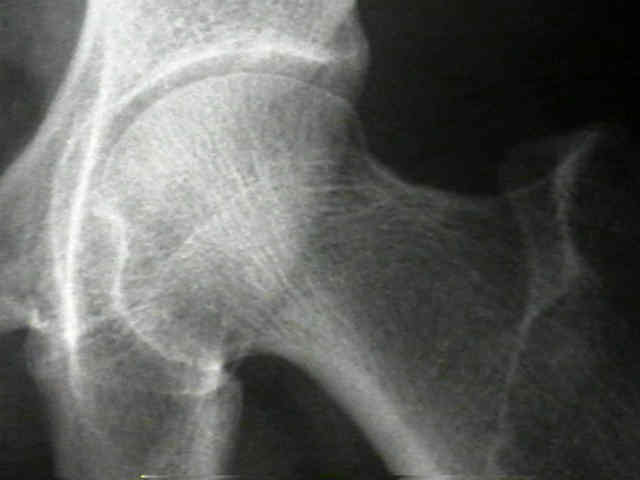 Treatment with genistein — a naturally occurring estrogen in soybeans — has the potential to regulate bone metabolism without harmful estrogenic activity in the breast and uterus,” says Dr. Herbert Marini from the University of Messina in Italy.
In this study, genistein had positive effects on bone health in postmenopausal women who had evidence of bone wasting.
Unfortunately, they didn’t measure fracture rate. Continue reading Almost the definitive study on bone health in postmenopausal women
CoQ10 reduces evidence of muscle injury
 In this study from the University of Tsukuba in Japan, supplementation with the antioxidant, coenzyme Q10 (CoQ10) reduced exercise-induced muscular injury in athletes. Continue reading CoQ10 reduces evidence of muscle injury
Compiling the evidence for kava to treat anxiety
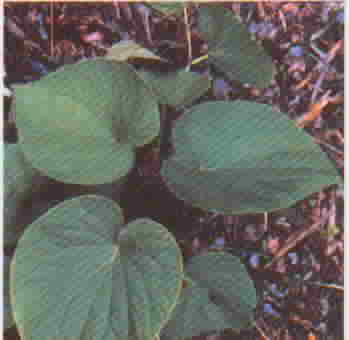 A review published in American Family Physician covers a broad range of herbal and dietary supplements for treating anxiety disorders.
I’ll focus on the best of the lot, kava (Piper methysticum). You can read the rest of the article here. Continue reading Compiling the evidence for kava to treat anxiety
Comparing treatments for insomnia
 Drs. Kalyanakrishnan Ramakrishnan and Dewey Scheid from the University of Oklahoma Health Sciences Center have published a review of treatment options for sleeplessness.
Melatonin, valerian, and several non-drug treatments are compared to benzodiazepines and non-benzodiazepine options. Continue reading Comparing treatments for insomnia
The relationship between dietary phytoestrogen and breast cancer risk
 The extent of the benefit is related to the person’s body mass index, according to researchers from the University of Toronto in Ontario. Continue reading The relationship between dietary phytoestrogen and breast cancer risk
Getting specific about CAM-drug interactions
Dr. Philip Hansten from the University of Washington School of Pharmacy has spent more than 30 years chronicling and documenting drug interactions.
In an article in Pharmacy Times, he and Dr. John Horn focus on the risks for people with diabetes or taking blood thinners. Continue reading Getting specific about CAM-drug interactions
Seizures associated with guarana in energy drinks
 Recently, 4 patients experienced seizures multiple times following heavy consumption of energy drinks. The authors proposed that energy drinks rich in caffeine, taurine, and guarana seed extract could have provoked these seizures.
Here’s what we know about guarana thanks to researchers from the University of Florida at Gainesville and the Brazilian Agricultural Research Corporation (EMBRAPA) in Amazonas, Brazil. Continue reading Seizures associated with guarana in energy drinks
Reviewing the benefits of soy isoflavone on bone in menopausal women
 Researchers from the University of Yamanashi in Japan reviewed studies of soy isoflavones (ie, phytoestrogens [plant estrogens] found chiefly in soybeans) and report “It decreases bone loss in the spine.”
But… Continue reading Reviewing the benefits of soy isoflavone on bone in menopausal women
Coenzyme Q10 to prevent muscle pain or tenderness caused by statins
 Myalgia (muscle pain or tenderness) is the most common side effect of taking statins to treat high cholesterol blood levels. It’s also the biggest reason to lower the dose or stop treatment with these important drugs.
There’s some support that the muscle-related side effects of statins could be due to a statin-induced deficiency in coenzyme Q10.
But not here. Continue reading Coenzyme Q10 to prevent muscle pain or tenderness caused by statins
ConsumerLab reports on resveratrol
 The potential benefits of this natural substance found in red wine have been reported in mice — countering the unhealthy effects of a high-calorie diet.
That’s not sufficient reason to take it as a supplement, but for those who do, here’s what you should know. Continue reading ConsumerLab reports on resveratrol
Update on soy, isoflavones, and the risk of prostate cancer
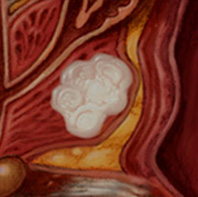 The effect of genistein, daidzein, miso soup, and soy food on the risk of prostate cancer differs based on the stage of the disease.
Continue reading Update on soy, isoflavones, and the risk of prostate cancer
Probing the value of isoflavones in patients at risk for cardiovascular complications
Isoflavones are one of the phytoestrogens found mainly in soybeans. Here’s a somewhat technical study from researchers at the Queen Mary Hospital in Hong Kong where isoflavones had beneficial effects on blood flow in people at risk for cardiovascular complications. Continue reading Probing the value of isoflavones in patients at risk for cardiovascular complications