 This past June, the American Heart Association (AHA) categorized soy as a dietary factor with unproven or uncertain effects on cardiovascular disease.
Recent studies do not confirm direct benefit of consuming soy on plasma cholesterol levels.
This past June, the American Heart Association (AHA) categorized soy as a dietary factor with unproven or uncertain effects on cardiovascular disease.
Recent studies do not confirm direct benefit of consuming soy on plasma cholesterol levels.
 There’s evidence that blood levels of coenzyme Q10 decrease in people with advanced chronic heart failure.
Now we know that CoQ10 supplements help and exercise helps more.
Continue reading Coenzyme Q supplements benefit patients with heart failure
A quick Google search (“soy” and “blood pressure”) reveals the predominant view that soy has positive effects on the heart and significant (but mild) blood pressure lowering action in people with high blood pressure.
Here is another view.
Continue reading A contrarian view on soy protein and blood pressure
 In 1993, Senator Orrin Hatch said, “most of these [herbal remedies] have been on the market for 4,000 years, and the real issue is risk. And there is not much risk in any of these products.”
Now, the American Association of Poison Control Centers defines that risk after more than 20 years of data collection.
Continue reading Poison control centers report on the safety of supplements
 Previous studies on the effect of soy isoflavones on bone health have been disappointing. So, a positive response to soy isoflavones on the bone mineral density (BMD) of the lumbar spine and femoral neck is of interest.
Continue reading Effect of soy isoflavones on bone in postmenopausal women
 It’s always a good idea to get a second opinion when it comes to your healthcare. Coenzyme Q10 (CoQ10) has been used, recommended, or studied for many conditions, but its use is controversial. Here are two websites that reviewed the literature and are ready to advise on the status of CoQ10 — MotherNature.com (MN) and MayoClinic.com (MC).
Here are comparative evaluations and ratings for three sample diseases.
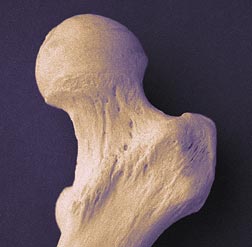 A review of 13 randomized controlled studies reported, “supplementation with phytonadione and menaquinone-4 reduces bone loss. In the case of the latter, there’s a strong effect on incident fractures among Japanese patients.”
Here’s some background and then the facts.
Two studies published this year came to different conclusions on the value of soy isoflavones to prevent bone resorption (breakdown) in postmenopausal women.
First, the positive results.
Continue reading Conflicting results on the value of soy isoflavones on bone
During a seminar at the American Heart Association 2006 meeting titled “The Science Behind Popular Nutrition Claims,” medical researchers summarized the research on a number of complementary options to “help maintain a healthy heart.”
Here is a summary of the Medscape article. Links to more info are highlighted.
Continue reading CAM for heart disease: Current state of the evidence
 The Centers for Disease Control has just published the latest data on the prevalence of diabetes in the US.
Is it any wonder that so many CAM therapies are studied in people with diabetes?
A quick listing of CAM entries for diabetes on this blog is provided below. Or, click the button on the right sidebar to see all of the diabetes entries.
 A natural substance in red wine, known as resveratrol (RSV), offsets the unhealthy effects of a high-calorie diet in mice and significantly extends their life span, according to an article published in The International Herald Tribune, and in The Washington Post.
In this study, mice fed the high-calorie diet became “tubby,” while those who got the high-fat diet plus RSV did not. The full study is online at the journal, Cell. (Vol 127, #4, November 16, 2006)
What are the implications?
These data are from a telephone survey of more than 2500 randomly sampled noninstitutionalized Americans, which was published in 2002. The tables can also be found here. Continue reading The most commonly used vitamins and herbals
 A study presented recently during the Society of Integrative Oncology’s Third International Conference in Boston showed that taking antioxidant supplements during external beam radiation therapy for prostate cancer has no effect on PSA (prostate specific antigen) levels.
Continue reading Antioxidants are safe during external beam radiation therapy for prostate cancer
Omega-3 fatty acids benefit the heart of healthy people, and those who are at high risk of heart disease or already have it. And I suppose when it becomes a prescription drug, it’s no longer complementary but integrated into mainstream medicine.
So, here’s one last (maybe) entry on N-3 PUFA (omega-3) taken from the American Heart Association (AHA).
Continue reading Recommendations for taking omega-3 fatty acids
Adriane Fugh-Berman, associate professor in the complementary medicine program at Georgetown University has chronicled the lack of good treatment alternatives for hot flashes.
 The good news is that all 36 products tested had the claimed ingredients. But the doses varied from 15 mg to 400 mg!
This isn’t surprising and has been discussed here before. Perspective on the value of CoQ10 to treat high blood pressure, angina, and Alzheimer’s disease is provided in this earlier post.
10/16/06 22:35 JR
“The main voices in favor of DHEA as a miracle drug are those who are selling it or who make a good living selling books or programs advocating ‘natural cures’.” That’s the conclusion from the Skeptics Dictionary. But look for yourself, and you will agree.
Here is another reason to be skeptical of DHEA [dehydroepiandrosterone].
 Johrei (pronounced Jo-ray) is a non-touch healing method similar to reiki. It involves channeling of “universal healing energy” to influence the health of another person. Three studies in the past 15 months have attempted to correlate subjective changes with other objective outcomes.
Here’s a quick review.
 Bandolier has reviewed melatonin and is unimpressed.
Here’s what they found.
Continue reading Melatonin not effective for sleep disorders
 Two studies published this summer showed positive health effects of curry. One looked at brain function, the other at the colon.
First, the brain.
Mini-Mental State Examination (MMSE) scores were compared among 1010 elderly Asians, aged 60 to 93 years. The MMSE is used to determine the extent of dementia in adults. The results of the test were then compared to categories of curry consumption: “often” (more than once a month), “occasionally” (once or more in 6 months but less than once a month), and “never or rarely.”
And the results.