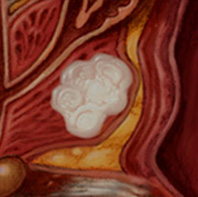
 A study presented recently during the Society of Integrative Oncology’s Third International Conference in Boston showed that taking antioxidant supplements during external beam radiation therapy for prostate cancer has no effect on PSA (prostate specific antigen) levels.
Continue reading Antioxidants are safe during external beam radiation therapy for prostate cancer
 An earlier post
 Omega-3 fatty acids benefit the heart of healthy people, and those who are at high risk of heart disease or already have it. And I suppose when it becomes a prescription drug, it’s no longer complementary but integrated into mainstream medicine.
 Spinal manipulation (SM) is a traditional treatment practiced by chiropractors, osteopaths, physiotherapists, and other healthcare providers mostly (but not exclusively) to treat musculoskeletal problems. SM can be described as the use of hands or force applied to the patient to achieve a therapeutic outcome.
 After eating a meal, blood sugar levels increase and then peak before coming down, as shown on the graph above. This blood sugar “excursion” is exaggerated in people with diabetes compared to those who are not diabetic.
 The available evidence suggests, “Ginger may be an effective treatment for nausea and vomiting in pregnancy.”
 A new study adds to the mystery of policosanol. Past posts
 A recent review of published studies
 In a previous
 Historically, a poultice was a soft moist mass of bread, meal, clay, or other adhesive substance. It was usually heated, with the active ingredient spread on cloth, and applied to warm, moisten, or stimulate an aching or inflamed part of the body. The poultice has been
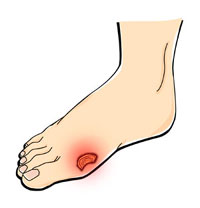 One of the major complications of diabetes mellitus is the change in small blood vessels called
 Here are the results from two studies that support the role of pycnogenol (pronounced pick-nah-geh-nol) to treat ADHD (attention deficit/hyperactivity disorder).
 There are few studies of homeopathic treatment for pain in children.
 A
 Researchers from Vanderbilt University and the Shanghai Cancer Institute in China have
 Chromium contributes to the action of insulin to control blood sugar levels. In addition, chromium blood levels tend to be low in people with diabetes. Now, conventional wisdom of the role of supplemental chromium is being re-evaluated.
 Pouchitis? In people who require an ileostomy, surgeons can use the intestines to create a “pouch” (as shown in the drawing) to store stool and decrease the frequency of passing fecal material through the opening. The pouch eliminates the need for an external bag to collect the feces. The Mayo Clinic has a nice
 An earlier