Kevin Tracey, MD is director and CEO of The Feinstein Institute for Medical Research in New York. A well-respected researcher, Dr. Tracey discovered that the brain controls the immune system via the vagus nerve. Now he’s investigating the role of a molecule called tumor necrosis factor (TNF) as part of the immune system’s weapons against foreign invaders. TNF can cause pain and redness to an injury or infection. In excessive amounts, it can also cause shock and death.
Dr. David Neubauer, assistant professor of psychiatry at Johns Hopkins University School of Medicine, has published an article on Medscape on the long-term treatment of insomnia.
Just ahead of drug treatments, he lists cognitive-behavioral therapy (CBT).
Swedish massage for 8 weeks improved pain, stiffness, physical function, walking, and range of motion in a study of 68 men and women with osteoarthritis (OA) .
Importantly, the improvement was sustained for 16 weeks.
A recently published study concluded, “Selenium supplementation does not seem to prevent type 2 diabetes, and it may increase risk for the disease.”
The study was summarized here. Now, an article on HealthNotesNewswire by Dr. Allan Gaby, a specialist in nutrition and preventive medicine, lists criticisms of the research. Dr. Gaby’s article is instructive because in addition to the relevance of the criticisms to the selenium study, it provides a checklist of basic questions to ask when reading any retrospective review. Continue reading More thoughts on the role of selenium in preventing diabetes→
Researchers from Harvard School of Public Health in Boston believe, “the United States Food and Drug Administration and corresponding agencies in other countries should require heavy metal testing for all imported dietary supplements.”
STW 5 (Iberogast) is an herbal preparation containing 9 plant extracts (including Iberis amara [Candytuft] peppermint, and chamomile). In this study, it was better than placebo in treating functional dyspepsia — a chronic or recurrent pain or discomfort centered in the upper abdomen. Continue reading Treating functional dyspepsia with STW 5→
A study in the British Medical Journal concludes that adding weekly cognitive behavioral therapy (CBT) to treatment with the selective serotonin reuptake inhibitor (SSRI) fluoxetine (Prozac) was no more beneficial for depressed adolescents than medication alone.
A closer look suggests the Adolescent Depression Antidepressant and Psychotherapy Trial (ADAPT) is not the definitive study on this subject.
Does this come under the heading of complementary or alternative medicine?
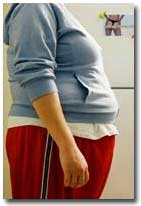
According to Professor Mike Lean (yes, that’s really his name), clothes for fat children should come with information about where they can get advice to help them lose weight.
Anael L’Esperance-Nascimento (photo) is the little boy from Quebec whose parents refused a second round of chemotherapy for his brain and spinal cord tumors. Instead, Anael will be treated at the Hippocrates Health Institute in Florida.
The report by the University of Alberta Evidence-based Practice Center (UAEPC) after reviewing the published literature on meditation practices for health were published here and discussed here.
The authors found so many flaws in the design of the studies that “conclusions on the effects of meditation practices in healthcare cannot be drawn based on the available evidence.” The report was funded by the NIH Agency for Healthcare Research and Quality (AHRQ). Continue reading Experts respond to the negative AHRQ report on meditation→
Omega-3 fatty acid supplements might slow the cognitive decline (eg, perception, memory, judgment, and reasoning) in some people with very mild Alzheimer’s disease.
 Ruta graveolens (rue, witchbane) is used as a mosquito repellant. Pick the flowering plant, crush it, and rub the oils over your skin.
 Withania somnifera Dunal, commonly known as ashwagandha and Indian ginseng, has a long list of
 OK. Stay with me on this.
 Dr. David Neubauer, assistant professor of psychiatry at Johns Hopkins University School of Medicine, has published an
 Proponents say butterbur (Petadolex; Petasites hybridus) reduces the frequency of migraines in adults, although it doesn’t treat them once they occur.
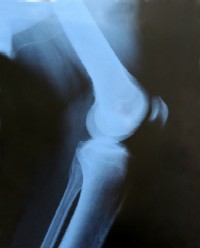 Swedish massage for 8 weeks improved pain, stiffness, physical function, walking, and range of motion in a study of 68 men and women with osteoarthritis (OA) .
 A recently published
 According to this
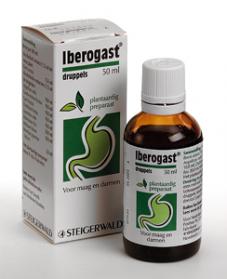 STW 5 (Iberogast) is an herbal preparation containing 9 plant extracts (including Iberis amara [Candytuft] peppermint, and chamomile). In this
 A study in the British Medical Journal concludes that adding weekly cognitive behavioral therapy (CBT) to treatment with the selective serotonin reuptake inhibitor (SSRI) fluoxetine (Prozac) was no more beneficial for depressed adolescents than medication alone.
 Does this come under the heading of complementary or alternative medicine?
 Anael L’Esperance-Nascimento (photo) is the little boy from Quebec whose parents
 The report by the University of Alberta Evidence-based Practice Center (UAEPC) after reviewing the published literature on meditation practices for health were published
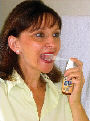 GW Pharmaceuticals was able to prove that Sativex, their marijuana oral spray product, was safe and reliably contained sufficient tetrahydrocannabinol. But proof of effectiveness was
 Yes, there’s an association. And it doesn’t seem to matter whether the soda pop you drink is “regular” or diet.
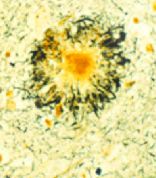 Omega-3 fatty acid supplements might slow the cognitive decline (eg, perception, memory, judgment, and reasoning) in some people with very mild Alzheimer’s disease.
 In patients with polymyositis and dermatomyositis — conditions characterized by weakness and swelling of limb and neck muscles — taking creatine supplements
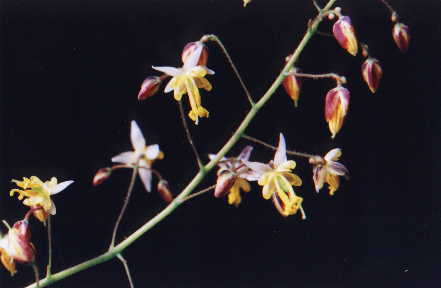 Horny goat weed, also known as epimedium and yin yan huo, is a source of phytoestrogens.