Narcotic drugs (opioids) are commonly prescribed for short-term relief of chronic back pain, but their long-term (greater than 16 weeks) effectiveness has never been proved.
Danshen (Salvia miltiorrhiza) is used in traditional Chinese medicine (TCM) to treat stroke, as well as heart disease, atherosclerosis, and blood clotting abnormalities.
Fifteen years after enrollment of more than 600 people between 18 and 30 years of age, researchers from the Department of Preventive Medicine at the Feinberg School of Medicine, Northwestern University, Chicago report that higher magnesium intake is associated with a lower risk of the metabolic syndrome.
The results are interesting, but what’s the action plan for the average person?
My thought about this study is that considering the academic and research “pedigree” of the authors (ie, National Institute of Mental Health, National Center for Complementary and Alternative Medicine [NCCAM], National Institute for Dental and Craniofacial Research, and Columbia University), why did they settle for such a rudimentary study design?
About 9% of US children age 8 to 15 meet the diagnostic criteria for attention-deficit/hyperactivity disorder (ADHD), but fewer than half receive treatment, according to a report in the September issue of Archives of Pediatrics & Adolescent Medicine.
According to an earlier survey of more than 800 parents of children with ADHD. About 12% of children with diagnosed ADHD and 7% of those suspected of having ADHA use CAM. What do they use?
A spray has been developed from the major components of marijuana (cannabis), including tetrahydrocannabinol (THC) and cannabidiol (CBD) in alcohol. The formulation is sprayed under the tongue or in the cheek to relieve pain in multiple sclerosis.
About 23% or 62 million Americans have some form of cardiovascular disease (CVD; eg, heart disease, stroke, atherosclerosis, coronary heart disease, angina, coronary artery disease, high blood pressure, or heart failure).
The Women’s Antioxidant Cardiovascular Study concluded, “There were no overall effects of ascorbic acid [vitamin C], vitamin E, or beta carotene on cardiovascular events among women at high risk for CVD.”
Drs. Luigi Gori and Fabio Firenzuoli from the Center of Natural Medicine, S. Giuseppe Hospital in Italy think the European Medicines Agency (EMEA) and the Committee on Herbal Medicinal Products (HMPC) erred in their assessment of the risk of liver toxicity to Cimicifugae racemosae rhizoma (black cohosh, root). Continue reading Differing point of view on black cohosh and liver toxicity→
Researchers from Chang Gung University College of Medicine in Taiwan reassessed the results (meta-analysis) from 10 double blind, placebo-controlled studies in more than 300 patients with mood disorders treated with omega-3 PUFAs for at least 4 weeks.
In this study, dietary cod protein improved insulin sensitivity in insulin-resistant individuals. The researchers think it could help “prevent type 2 diabetes by reducing the metabolic complications related to insulin resistance.” Continue reading Cod protein improves insulin sensitivity→
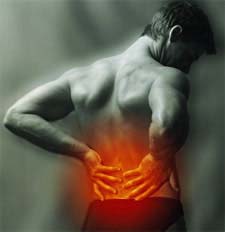 Narcotic drugs (opioids) are commonly prescribed for short-term relief of chronic back pain, but their long-term (greater than 16 weeks) effectiveness has never been proved.
 Danshen (Salvia miltiorrhiza) is used in traditional Chinese medicine (TCM) to treat stroke, as well as heart disease, atherosclerosis, and blood clotting abnormalities.
 Fifteen years after enrollment of more than 600 people between 18 and 30 years of age, researchers from the Department of Preventive Medicine at the Feinberg School of Medicine, Northwestern University, Chicago
 High concentrations of fine particulate pollution — the type associated with secondhand smoke and, in developing countries, indoor cooking and heating fires — are linked to poorer health,
 About 9% of US children age 8 to 15 meet the diagnostic criteria for attention-deficit/hyperactivity disorder (ADHD), but fewer than half receive treatment, according to a report in the September issue of Archives of Pediatrics & Adolescent Medicine.
 What do they use?
 Not all commercially available probiotics are effective in children with acute diarrhea, according to this
 This
 Reports from chiropractic journals say that manipulating the neck region helps
 A spray has been developed from the major components of marijuana (cannabis), including tetrahydrocannabinol (THC) and cannabidiol (CBD) in alcohol. The formulation is sprayed under the tongue or in the cheek to relieve pain in multiple sclerosis.
 No additional improvement in pain scores was reported in this
 This is for residents of San Diego County in California.
 About 23% or 62 million Americans have some form of cardiovascular
 The FDA
 Drs. Luigi Gori and Fabio Firenzuoli from the Center of Natural Medicine, S. Giuseppe Hospital in Italy think the European Medicines Agency (EMEA) and the Committee on Herbal Medicinal Products (HMPC)
 Researchers from Chang Gung University College of Medicine in Taiwan
 In this