 “Patients with psoriasis who drink coffee frequently respond better to treatment with methotrexate and sulfasalazine.” This is the conclusion reported by Dr. Yolanda Helfrich during her presentation at the annual meeting of the Society for Investigative Dermatology in Philadelphia. Continue reading Coffee and psoriasis
Category Archives: J. CONDITIONS TO TREAT
Is there any justification to take high doses of vitamin C?
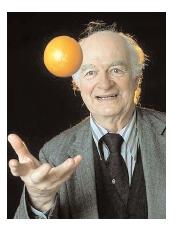 Let’s see what the Cochrane Collaboration reveals. Continue reading Is there any justification to take high doses of vitamin C?
More positive results using probiotics to treat irritable bowel syndrome
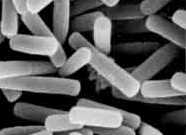 Probiotics are now used by 35% to 40% of the US population routinely and with increasing frequency in patients with irritable bowel syndrome (IBS).
Dr. Brian Lacy from Dartmouth Medical School in New Hampshire reports on the latest probiotic research from the recent Digestive Diseases Week meeting. Continue reading More positive results using probiotics to treat irritable bowel syndrome
What is the effect of vitamin D blood levels on colon and rectal cancer?
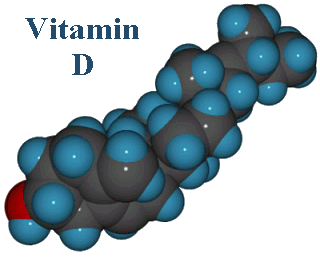 Low vitamin D status has long been implicated in colorectal cancer.
This study looks at the relation between blood levels of vitamin D and the risk of colon, colorectal, and rectal cancer in men and women. Continue reading What is the effect of vitamin D blood levels on colon and rectal cancer?
CDC reviews CAM options to minimize jet lag
 The Centers for Disease Control (CDC) has released its biennial revision of “the yellow book,” a health guide for international travel.
It’s comprehensive. The focus here is on Chapter 6: Jet Lag. Continue reading CDC reviews CAM options to minimize jet lag
A critical review of herbals to treat anxiety and depression
 In 2003, Professor Edzard Ernst writing on the Cochrane Collaboration website concluded, “Compared with placebo, kava extract is an effective symptomatic treatment for anxiety although, at present, the size of the effect seems small.” Continue reading A critical review of herbals to treat anxiety and depression
Professor Ernst cautions against upper spinal manipulation
 Professor Edzard Ernst from the Universities of Exeter & Plymouth in the UK is an outspoken critic of CAM.
In an interview, he says, “If any drug were linked to such rates of harm [as is spinal manipulation], I somehow doubt that it would still be on the market.” Continue reading Professor Ernst cautions against upper spinal manipulation
Prolotherapy and low-back pain
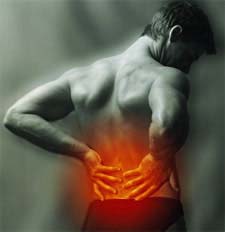 When combined with spinal manipulation, exercise, and other co-interventions, prolotherapy may improve chronic low-back pain and disability.
Think of it as complementary therapy for complementary therapy. Continue reading Prolotherapy and low-back pain
Endorsement of a complementary approached to pain therapy
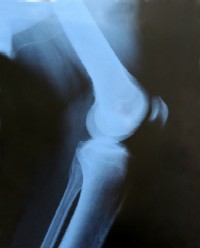 Recommendations from the American College of Rheumatology (ACR) for the medical management of osteoarthritis of the hip and knee include nondrug combined with drug treatment. Continue reading Endorsement of a complementary approached to pain therapy
Using CAM to complement conventional pain treatments
 Researchers from Bastyr University in Seattle, Washington survey the use of CAM among people with chronic pain and wonder “whether opioids can be reduced by introducing such therapies.” Continue reading Using CAM to complement conventional pain treatments
Yoga for chronic back pain
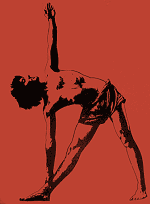 Here are the results from 3 studies of yoga for chronic back pain.
Quyu Xiaoban in patients with unstable angina pectoris
 The standard of care for unstable angina (the intermediate state between stable angina and having a heart attack) starts with prompt treatment using aspirin, beta-blockers, and statins.
Here’s what happened when Quyu Xiaoban (QYXB) was given with the aspirin. Continue reading Quyu Xiaoban in patients with unstable angina pectoris
Rolfing: “Scientifically validated” body restructuring and movement education?
 One certified Rolfer says it is, but she offers no links to studies to support the statement.
So, I searched PubMed for any articles with “Rolfing” in the title or text. Continue reading Rolfing: “Scientifically validated” body restructuring and movement education?
Benefits of folic acid fortification in Canada
 It’s associated with a significant reduction in the rate of neural-tube defects (eg, spina bifida) in Canada. Continue reading Benefits of folic acid fortification in Canada
Black cohosh and green tea extract may get warning labels
A United States Pharmacopeia (USP) Committee has reviewed reports that suggest a link between liver damage and the use of products that contain green tea extracts and black cohosh.
Yes, liver toxicity is rare, but? Continue reading Black cohosh and green tea extract may get warning labels
The evidence for qigong in patients with high blood pressure
 Professor Edzard Ernst and colleagues from the Universities of Exeter & Plymouth in the UK report encouraging evidence for qigong in the treatment of high systolic blood pressure. Continue reading The evidence for qigong in patients with high blood pressure
The long-term effect of selenium on diabetes risk
 An article in the Annals of Internal Medicine reports, “Selenium supplementation does not seem to prevent type 2 diabetes, and it may increase risk for the disease.” Continue reading The long-term effect of selenium on diabetes risk
Arnica: Not really par excellence
 The website HealthWorld has an article on homeopathy that describes arnica (mountain daisy) as “par excellence” for the treatment of shock or trauma caused by any injury. Although the German Commission E Monograph lists herbal doses of arnica as approved for external use resulting from accidents, it questions arnica’s value in homeopathy, as discussed in this review.
Based on what we know, the frequent reference to arnica as “par excellence” is an overstatement. Continue reading Arnica: Not really par excellence
Da Cheng Qi Tang purges heat accumulation
In this study, it promoted recovery of gastrointestinal motility after abdominal surgery. Continue reading Da Cheng Qi Tang purges heat accumulation
What to do about the high prevalence of insomnia
 Patients with the highest risk for sleep disturbance are those with pain, mental illness, limited activity, and overall “poor physical and mental health.” Continue reading What to do about the high prevalence of insomnia