 The results of a combined analysis of 3 studies of kava kava (Piper methysticum) to treat anxiety do not support the use of kava in DSM-IV generalized anxiety disorder.
Well then, where does the support for kava come from?
The results of a combined analysis of 3 studies of kava kava (Piper methysticum) to treat anxiety do not support the use of kava in DSM-IV generalized anxiety disorder.
Well then, where does the support for kava come from?
 There’s not much information available, but it appears that music therapy is accepted by patients and improves their mood. Continue reading Using music therapy to treat depression
 Researchers at Wonkwang University in Iksan, South Korea report it’s not better than placebo.
But they’re still optimistic. Continue reading Acupuncture to reduce nicotine withdrawal symptoms
 A few years ago, a review of 30 studies of healing touch concluded, “no generalizable results were found.” In plain English that means there was no disease nor any group of patients with a disease where healing touch was a reliable treatment alternative.
A new study of healing touch in 12 veterans with neuropathic pain and the associated psychological distress from post spinal cord injury comes to the same conclusion.
Continue reading Healing touch: 31 unsuccessful studies and counting
 Professor Michel Tournaire and Dr. Anne Theau-Yonneau have reviewed the literature.
Few publications report a statistically significant reduction in labor pain? Here’s what we know about pain relief and other outcomes. I’ll summarize the more familiar options. Continue reading The value of CAM for pain relief during labor
 Here’s a CBS video on the subject.
It saddens me, but it’s instructive regarding the bias at CBS. Notice there’s no attempt to balance the report with any of the risks of marijuana or the lack of science on its “benefits.”
Go here for balance. Continue reading Marijuana available from vending machines in California
 Here are the results of a study of Ayurvedic herbal treatment for health problems caused by exposure to the toxic chemicals at Ground Zero and in lower Manhattan following the September 11 attack on the World Trade Center.
Improvement during Ayurvedic herbal treatment was reported. Continue reading Response to Ayurvedic herbal supplements among 9/11 survivors
 Dr. Dan Rudin from Statin Island University Hospital in New York looked at past studies and concluded it’s a “safe and cost-effective measure not to be overlooked.” Continue reading Music therapy in gastrointestinal endoscopic procedures
It’s part of the highlights of the 5th International Conference on Early Psychosis held in Birmingham, UK and published on Medscape.
Here are the highlights of the highlights as they relate to marijuana and psychosis — a mental disorder characterized by delusions or hallucinations that indicate impaired contact with reality. Continue reading The relationship between cannabis use and early psychosis
 Depression and anxiety disorders are associated with low GABA (gamma-aminobutyric acid) levels, and these disorders have been successfully treated with pharmaceutical agents designed to increase GABA levels.
This study suggests that the practice of yoga should be explored as a treatment for disorders with low GABA levels. Continue reading Yoga asana sessions increase brain GABA levels
 Omega-3 fatty acids, of course
There’s so much good stuff it’s hard to know where to start. Continue reading The winner in CAM for 2007
 The researchers from Johnson & Johnson Consumer Products show that “a moisturizer containing stabilized soy extracts is safe and effective.” Continue reading Using a soy-based moisturizer to treat photoaging
 Transcranial magnetic stimulation (TMS) was effective and safe in this study from the University of Pennsylvania in Philadelphia. Continue reading Magnets to treat major depression
 In 2003, Germany, Canada, the United Kingdom and other countries banned sales of highly concentrated kava dietary supplements, which had been linked to liver damage and death. A summary report is here.
Now, researchers at the University of Hawaii at Manoa in Honolulu have studied the long-term effects on the liver of drinking kava beverages. Continue reading Measuring the effect of kava on the liver
Older adults who follow diets high in omega-6 fatty acids and low in omega-3 fatty acids have higher levels of proinflammatory cytokines — especially when they have coexisting symptoms of depression.
It’s important because depression is linked to the development of heart disease — a relationship that appears to be due to increased levels of proinflammatory cytokines (eg, interleukins and tumor necrosis factor alpha). Continue reading Exploring the relationship between depression, diet, and heart disease
 Nervoheel N is a homeopathic preparation used to treat psychosomatic disorders, climacteric neurosis, and emotional distress
In this study, it’s reported to be as effective as lorazepam (Ativan). Continue reading Testing Nervoheel N to treat mild nervous disorders
It might be an option for people with major depression who have not responded to conventional antidepressant medications. Continue reading Transcranial magnetic stimulation for acute treatment of major depression
 The effect of pregnancy on asthma is unpredictable. In about one-third of women their asthma gets worse, especially during months 6 to 8.
The results of this 8-week study of progressive muscle relaxation (PMR) in 64 women in Germany might provide a management option.
Continue reading Asthma, pregnancy, and progressive muscle relaxation
I am not sure where the news is in this statement, but researchers in Toronto just published the results of a study that concluded, “Mild emotional stress or sadness can reactivate depressive thinking in patients with a history of depression, which may increase the risk of relapse.”
Probably of greatest interest is the finding that those who received antidepressant medication alone showed a poorer response following an event that caused a sad mood than people who received cognitive behavioral therapy.
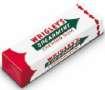 NewsWise reports that research presented during the 2007 Annual Scientific Meeting of The Obesity Society, supports the role of chewing gum as an easy, practical tool for weight management. Continue reading Chewing gum to reduce caloric intake