Dr. Kathleen Kendall-Tackett is a health psychologist and a board certified lactation consultant from the University of New Hampshire in Durham. Her work focuses on family violence and perinatal health.
Researchers from the Free University in Brussels used hypnosis to treat 28 patients who failed to respond to conventional treatments. It was either added to ongoing treatment or used alone. Continue reading Hypnosis to treat alopecia areata?→
Using a cognitive behavioral therapy (CBT) appears more effective than “present-centered” therapy (talking about current problems) to treat female military veterans and active duty women with post-traumatic stress disorder (PSTD).
The Women’s Health Initiative Observational Study reports “Panic attacks are relatively common among postmenopausal women and appear to be an independent risk factor for cardiovascular morbidity and mortality in older women.”
Researchers from Chang Gung University College of Medicine in Taiwan reassessed the results (meta-analysis) from 10 double blind, placebo-controlled studies in more than 300 patients with mood disorders treated with omega-3 PUFAs for at least 4 weeks.
A study in the British Medical Journal concludes that adding weekly cognitive behavioral therapy (CBT) to treatment with the selective serotonin reuptake inhibitor (SSRI) fluoxetine (Prozac) was no more beneficial for depressed adolescents than medication alone.
A closer look suggests the Adolescent Depression Antidepressant and Psychotherapy Trial (ADAPT) is not the definitive study on this subject.
Cananga odorata (common name, ylang-ylang; pronounced ee-lang ee-lang) is among the most celebrated flowering trees in the world. It was made famous by Coco Chanel in 1923 with the introduction of Chanel No.5 perfume,
Read on to find out why ylang-ylang oil is more than just an expensive scent.
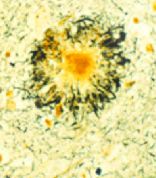
These recommendations, from a group of experts, take a narrow view of Alzheimer’s disease. They focus on early detection and the use of existing prescription drugs.
That’s fine as far as it goes, but what about those with advanced Alzheimer’s? Why not develop a more comprehensive approach?
The New York Timesreports, “The [FDA] advisory panel voted unanimously, 14 to 0, against recommending the drug [rimonabant, Acomplia, Zimulti], saying there was inadequate evidence of its safety. The FDA is not required to follow this advice, but it typically does.”
In a study of 60 nurses working in an Australian hospital 15 minutes of massage therapy once each week for 5 weeks reportedly reduced psychological stress levels compared to no massage.
Several academics and clinicians from Miami decided it was time to test Bach Original Flower Essence (BFE) Rescue Remedy. After all, it’s been sold since 1930.
That’s the conclusion from two researchers who reviewed 15 studies.
Here’s what they found.
Evidence for a beneficial effect of mindfulness-based stress reduction (MBSR) on depression and anxiety was equivocal.
When active control groups were used, MBSR did not show an effect on depression and anxiety.
Adherence to the MBSR program was infrequently assessed. When it was, the relation between practicing mindfulness and changes in depression and anxiety was equivocal.
Dr. Irene asks, “What was included with the MBSR? MBSR is not used in isolation of other treatments ” Unfortunately, the abstract doesn’t say.
If you’re interested, here’s a link with background on mindfulness therapies.
Qigong (pronounced chee-kung) is an energy practice or low-impact exercise program that generally encompassing simple movements and postures. Some qigong systems also emphasize breathing techniques.
Here’s a summary of three qigong studies in patients published last year.
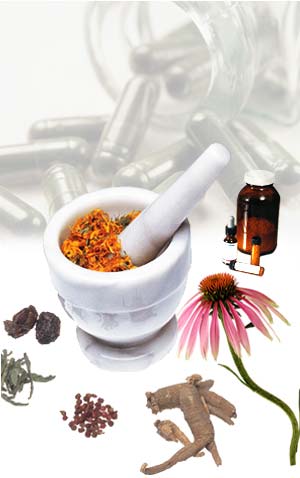 There’s interest in homeopathy’s potential as a non-pharmacological treatment for attention deficit/hyperactivity disorder (ADHD).
 Acupuncture appears to be a common complementary
 Dr. Kathleen Kendall-Tackett is a health psychologist and a board certified lactation consultant from the University of New Hampshire in Durham. Her
 Researchers from the Free University in Brussels
 Using a cognitive behavioral therapy (CBT) appears more effective than “present-centered” therapy (talking about current problems) to treat female military veterans and active duty women with post-traumatic stress disorder (PSTD).
 The Women’s Health Initiative Observational Study
 There are few clinical studies showing the effectiveness of acupuncture for weight loss.
 This
 Cananga odorata (common name, ylang-ylang; pronounced ee-lang ee-lang) is among the most
 These
 There’s growing
 The New York Times
 In a study of 60 nurses working in an Australian hospital 15 minutes of massage therapy once each week for 5 weeks
 Several academics and clinicians from Miami decided it was time to
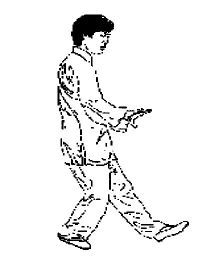 Qigong (pronounced chee-kung) is an energy