 According to these study results, yoga complements the treatment of irritable bowel syndrome (IBD).
Continue reading Yoga for adolescents with irritable bowel syndrome
According to these study results, yoga complements the treatment of irritable bowel syndrome (IBD).
Continue reading Yoga for adolescents with irritable bowel syndrome
 Our very unscientific survey suggests so far that the second most commonly requested entry to this site is marijuana. Believe me, I’m looking.
In the mean time, here’s a “little known fact” about marijuana from Medical Marijuana ProCon.org.
Continue reading A little known fact in the marijuana debate
 Fibromyalgia (FM) is a “chronic pain illness characterized by widespread musculoskeletal aches, pain and stiffness, soft tissue tenderness, general fatigue and sleep disturbances.” Approximately 3% to 6% of the U.S. population have FM, with women at greatest risk.
Successful treatment often requires combined therapies, and the results of this study in the The Mayo Clinic Proceedings support acupuncture in this regard.
 This is the question being studied by Dr. Lirio Covey at the Smoking Cessation Program at Columbia University Medical Center in New York.
Continue reading Should ADHD treatment be combined with smoking secession treatment?
 The objective here is to illustrate how not to conduct a study on the value of homeopathy — or anything else for that matter.
This study does more to hurt the credibility of homeopathy than to support it.
Here’s why.
Continue reading A flawed study of homeopathy to treat anxiety, depression, and IBS
 A review article published in 2001 identified 8 clinical studies in which St. John’s wort was more effective than placebo in treating mild to moderate depression. “The absolute increased response rate with the use of St. John’s wort ranged from 23% to 55% higher than with placebo, but ranged from 6% to 18% lower compared with tricyclic antidepressants.”
 Feeling tired, overwhelmed, stress out? Maybe more physical contact with the baby is the answer.
A study of the effects of baby massage on mothers? mood status concluded ?- as we would have guessed — baby massage has a positive effect on the mood status of the mothers.
 Six people with early primary open angle glaucoma or ocular hypertension were treated with a single dose of delta-9-tetrahydrocannabinol 5 mg (Delta-9-THC), cannabidiol (CBD) 20 mg and 40 mg, and placebo placed under the tongue on separate occasions.
Here are the results.
Continue reading Effect of sublingual cannabinoids on glaucoma
 “The main voices in favor of DHEA as a miracle drug are those who are selling it or who make a good living selling books or programs advocating ‘natural cures’.” That’s the conclusion from the Skeptics Dictionary. But look for yourself, and you will agree.
Here is another reason to be skeptical of DHEA [dehydroepiandrosterone].
 Johrei (pronounced Jo-ray) is a non-touch healing method similar to reiki. It involves channeling of “universal healing energy” to influence the health of another person. Three studies in the past 15 months have attempted to correlate subjective changes with other objective outcomes.
Here’s a quick review.
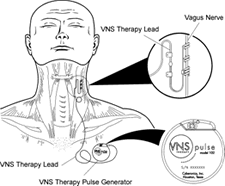 The vagus nerve stimulator (VNS), “would have been unimaginable only a generation ago. After being implanted in a patient’s chest, … research suggests that repeated electronic stimulation of the vagus nerve can help treat severe depression”, says The New York Times.
It’s an interesting article, but here’s what you need know.
 An article in Yoga Journal states, “Some yogis eschew the use of all caffeine, while others adopt a policy of moderate consumption. Caffeine can temporarily enliven the body, but dependence on it could hinder your yoga practice.”
For those who want to stop using caffeine-containing products, the article recommends adding Yogi tea or specific medicinal herbs to your diet to help ease the transition.
I have no idea if any of this stuff helps. It is clear however, that caffeine withdrawal is well documented and is included in DSM-IV-TR (the 4th text revision of Diagnostic and Statistical Manual of Mental Disorders), considered the bible of mental disorders.
Here are details of the caffeine withdrawal symptoms.
 “Facial restoration” might not be your typical form of complementary medicine, but for aging adults, as well as people with HIV/AIDS or diabetes, an enhanced appearance provides a psychological edge that may lead to positive thoughts and actions.
The fact is that real or perceived physical unattractiveness can result in insecurity, anxiety, and fear. It can alter intimate relationships and social interactions. It can even extract a “plainness penalty” in the labor market.
 Repetitive transcranial magnetic stimulation (rTMS) as treatment for depression shows statistically significant effects. However, the clinical significance of these effects has been questioned.
How long after rTMS do the effects last?
Continue reading Magnetic stimulation to treat major depression
 Attention-deficit/hyperactivity disorder (ADHD) affects about 5% to 10% of school-age children in the United States.
 A just published review on Medscape compares behavioral treatments vs drug therapy for ADHD.
 Under what conditions are patients likely to benefit from behavior therapy?
 I go to the nursing home to visit my mother who is 90 and has Alzheimer’s disease. I walk into the lounge where the patients sit. Titanic is playing on the TV. Nobody looks interested. Most are sleeping — or maybe they’re sedated.
That night, as I’m reading, voil?, the value of art therapy in patients with Alzheimer’s disease becomes clear.
Continue reading The value of art therapy in Alzheimer’s disease
It’s time to stop thinking of CAM as a homogeneous alternative to conventional medicine. Approximately 40% of the U.S. population use some form of CAM. In addition to studying the efficacy of CAM therapies, it’s time to assess individual CAM options from a socio-economic perspective.
Continue reading Factors leading people to select CAM therapies
 I am usually disappointed when I read descriptions of music therapy and the job description of a music therapist. For example, The American Music Therapy Association defines music therapy as “clinical and evidence-based use of music interventions to accomplish individualized goals within a therapeutic relationship by a credentialed professional who has completed an approved music therapy program.”
What does that mean, exactly? I want to know what actually changes when music therapy is included in patient care? To find out, I searched PubMed for all articles on “music therapy” published in 2006. I found two articles that help me understand what to expect, here in post cardiac surgery patients, and here in patients with Alzheimer’s disease. The second study is especially clinically relevant.