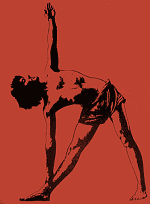
 On May 19th, the National Institutes of Health (NIH) premiered its first annual Yoga Week.
Others have held yoga weeks in the past. What’s different is the involvement of the NIH. Continue reading First annual Yoga Week
On May 19th, the National Institutes of Health (NIH) premiered its first annual Yoga Week.
Others have held yoga weeks in the past. What’s different is the involvement of the NIH. Continue reading First annual Yoga Week
 Although the researchers identified 45 potentially relevant studies, only 5 were good enough to review. And the differences in the studies made it impossible to pool the results for a reanalysis of the data (meta-analysis). Continue reading Limited support for tai chi in rheumatoid arthritis
 For the treatment of sleep apnea, continuous positive airway pressure (CPAP) is the most effective and widely used therapy.
Now, there’s the Didgeridoo. Read the second comment and watch the video to learn how it helps.
Continue reading Didgeridoo playing to treat obstructive sleep apnea
 The American Thoracic Society has published recommendations for combining palliative with standard care in patients with chronic and advanced respiratory tract illnesses or critical disease.
These recommendations expand palliative care to include all patients with respiratory disease. The complementary recommendations are highlighted below. Continue reading Palliative care for all patients with lung disease
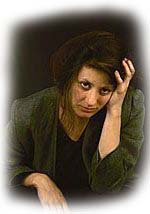 Studies dating back more than 15 years suggest that people with depression are likely to have low blood levels of folic acid (or folate) and vitamin B12.
Of course, not all of the researchers have come to the same conclusion. But to start, here’s a summary of the most positive analysis of folic acid and B12.
 Papworth method is a sequence of breathing and relaxation exercises developed at Papworth Hospital in Cambridgeshire in the 1960s.
It hadn’t been studied ’til now. Continue reading Testing the Papworth breathing technique in asthma sufferers
 By the end of this study, the massage therapy group showed better results compared to the relaxation group. Continue reading Massage for lower back pain and sleep disturbance
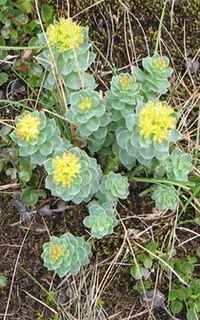 I came across this website and a review that recite the purported benefits of Rhodiola rosea (Sedum roseum; rose root). The story is remarkably similar to the story told at almost all other sites. (Google “Rhodiola rosea” to see what I mean.)
But what does the research really reveal? Continue reading A closer look at Rhodiola rosea: A versatile adaptogen?
 A review published in American Family Physician covers a broad range of herbal and dietary supplements for treating anxiety disorders.
I’ll focus on the best of the lot, kava (Piper methysticum). You can read the rest of the article here. Continue reading Compiling the evidence for kava to treat anxiety
 This is apparently the first study of pycnogenol (French maritime pine bark extract) to treat peri-menopausal symptoms. Continue reading Peri-menopausal symptoms treated with pycnogenol
 Researchers from the University of Alberta in Edmonton, Canada report, that “music is effective in reducing anxiety and pain in children undergoing medical and dental procedures.” Continue reading Music for pain and anxiety in children
 Snoezelen (or multi-sensory stimulation) is used to promote positive mood in older people with dementia, as well as manage maladaptive behaviors (eg, autism and other behaviors that interfere with everyday activities).
The Snoezelen (pronounced SNOOzelen) environment provides gentle stimulation of the primary senses. The objective is to overcome inhibitions, enhance self-esteem, and reduce tension.
A Cochrane review found no scientific support, but others disagree. Continue reading Snoezelen for dementia
This study concludes that omega 3 fatty acid supplementation contributes to substantial reductions in surrogate markers of suicidal behavior and improvements in well-being. Continue reading Using omega-3 fatty acid supplementation in patients with recurrent self-harm
 When psychologists began developing treatments for chronic pain several decades ago, the goal was to help patients live with their pain more successfully.
Now we find it can reduce their level of pain.
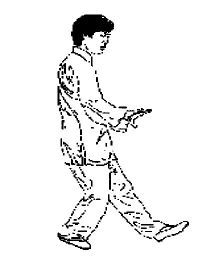 The results of this study show that regular qigong practice could relieve depression and improve self-efficacy and personal well being among elderly persons with chronic physical illness and depression.
The real message is that active seniors have better quality of life than their sedentary neighbors. Continue reading Qigong benefits in elderly people with depression
 According to a study in The Lancet, “There is now sufficient evidence to warn young people that using cannabis could increase their risk of developing a psychotic illness later in life.” Continue reading Marijuana use increases the risk of schizophrenia
Reminiscence music reportedly reduces the symptoms of depression in patients with dementia. It’s also effective for agitation and disruptive behavior in patients with dementia, and makes it easier to provide care.
Now, researchers from the Kaiser Foundation Hospital in Santa Clara, California report that music therapy makes fiscal sense as well. Continue reading Cost-effectiveness of music therapy in palliative care
Here’s a review by researchers at the University of Illinois, Chicago that focuses on the scientific support for the use of herbals in women during menopause. It differs a bit in its conclusions from a more general review posted here recently.
Both reviews list St. John’s wort as the most useful herbal for alleviating mood and anxiety changes during menopause. Continue reading Herbal options to treat mood and anxiety in menopausal women
 Cognitive behavioral therapy (CBT) is an established treatment for obsessive-compulsive disorder (OCD). It is equal or perhaps superior to pharmacotherapy.
Now researchers from the University of California at Los Angeles and San Diego have identified changes in the brain that might explain how this happens. Continue reading Brain changes in OCD associated with CBT
According to researchers at the University of Queensland in Australia, music therapy is a promising approach to improving engagement in substance abuse treatment groups. Continue reading The value of music therapy for substance abuse treatment