I am not sure where the news is in this statement, but researchers in Toronto just published the results of a study that concluded, “Mild emotional stress or sadness can reactivate depressive thinking in patients with a history of depression, which may increase the risk of relapse.”
Probably of greatest interest is the finding that those who received antidepressant medication alone showed a poorer response following an event that caused a sad mood than people who received cognitive behavioral therapy.
Dr. Kathleen Kendall-Tackett is a health psychologist and a board certified lactation consultant from the University of New Hampshire in Durham. Her work focuses on family violence and perinatal health.
Using a cognitive behavioral therapy (CBT) appears more effective than “present-centered” therapy (talking about current problems) to treat female military veterans and active duty women with post-traumatic stress disorder (PSTD).
Clinical Practice Guidelines for the diagnosis and treatment of low back pain have been published in the Annals of Internal Medicine by the American College of Physicians and the American Pain Society.
Narcotic drugs (opioids) are commonly prescribed for short-term relief of chronic back pain, but their long-term (greater than 16 weeks) effectiveness has never been proved.
Dr. David Neubauer, assistant professor of psychiatry at Johns Hopkins University School of Medicine, has published an article on Medscape on the long-term treatment of insomnia.
Just ahead of drug treatments, he lists cognitive-behavioral therapy (CBT).
A study in the British Medical Journal concludes that adding weekly cognitive behavioral therapy (CBT) to treatment with the selective serotonin reuptake inhibitor (SSRI) fluoxetine (Prozac) was no more beneficial for depressed adolescents than medication alone.
A closer look suggests the Adolescent Depression Antidepressant and Psychotherapy Trial (ADAPT) is not the definitive study on this subject.
These recommendations, from a group of experts, take a narrow view of Alzheimer’s disease. They focus on early detection and the use of existing prescription drugs.
That’s fine as far as it goes, but what about those with advanced Alzheimer’s? Why not develop a more comprehensive approach?
Sleep apnea occurs when people fail to breath while sleeping. Untreated, it can cause high blood pressure and other cardiovascular disease, memory problems, weight gain, impotency, and headaches.
Continuous positive pressure breathing (CPAP) is effective treatment. But it’s uncomfortable to use (photo).
Ms. Jennifer Rheingans is a nurse educator for pediatrics at Sarasota Memorial Hospital in Florida. In the Journal of Pediatric Oncology Nursing she reviews nonpharmacological therapies as a potential source of assistance for children with symptoms due to cancer treatment.
Despite effective treatment, people with panic disorder complicated by agoraphobia often find it prohibitively difficult to seek treatment, according to Dr. Claudio Soares in a Journal Watcharticle.
 I am not sure where the news is in this statement, but researchers in Toronto just published the results of a study that concluded, “Mild emotional stress or sadness can reactivate depressive thinking in patients with a history of depression, which may increase the risk of relapse.”
 Dr. Kathleen Kendall-Tackett is a health psychologist and a board certified lactation consultant from the University of New Hampshire in Durham. Her
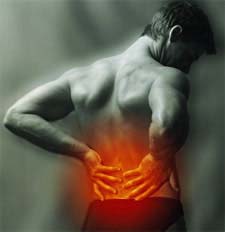 Clinical Practice Guidelines for the diagnosis and treatment of low back pain have been
 A
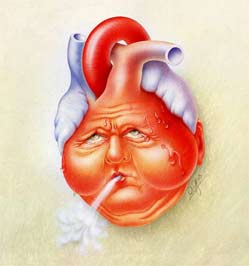 This
 Dr. David Neubauer, assistant professor of psychiatry at Johns Hopkins University School of Medicine, has published an
 The University of Alberta Evidence-based Practice Center (UAEPC) has
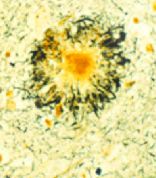 These
 This
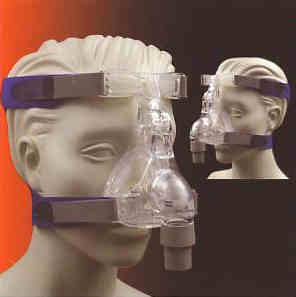 Sleep apnea
 Yes, but not in the way you might think.
 Ms. Jennifer Rheingans is a nurse educator for pediatrics at Sarasota Memorial Hospital in Florida. In the Journal of Pediatric Oncology Nursing she
 How might cognitive therapy assist?
 Two recently published reviews on the treatment of migraine outline the role for CAM.
 Despite effective treatment, people with panic disorder complicated by agoraphobia often find it prohibitively difficult to seek treatment, according to Dr. Claudio Soares in a Journal Watch