Dr. Kathleen Kendall-Tackett is a health psychologist and a board certified lactation consultant from the University of New Hampshire in Durham. Her work focuses on family violence and perinatal health.
Researchers from the University of Western Sydney in Australia reviewed 40 years of research that compared calcium with or without vitamin D in older adults.
The National Healthy Mothers, Healthy Babies Coalition has summarized the recommendations from official groups, worldwide. Their website should be essential reading for pregnant, breastfeeding, and postpartum women, and women thinking of becoming pregnant.
HealthNotes Newswire reports on the new physical activity guidelines for adults 65 years and older, and adults 50 to 64 with chronic medical conditions.
Results from the Invecchiare in Chianti (InCHIANTI) Study indicate that low selenium blood levels are independently associated with poor skeletal muscle strength — at least in Tuscany.
During the European Society of Human Reproduction and Embryology Annual Meeting in Lyon, France, researchers from Cardiff University reported that women who used complementary therapies while undergoing invitro fertilization (IVF) were 30% less likely to become pregnant than those who used IVF alone. Continue reading Prof. Ernst comes to the defense of CAM→
A survey of midwifes in the United States revealed that 45% used black cohosh to induce labor. The preparation is called “mother’s cordial? or “partus preparatus.” In addition to black cohosh, it contains squaw vine (Mitchella ripens), raspberry (Rubus idaeus), blue cohosh (Caulophyllum thalictroides), and false unicorn (Chamaelirium luteum).
I received some emails promoting Nature Made CholestOff. It contains plant extracts called phytonutrients, specifically phytosterols and phytostanols. They work by reducing the absorption of LDL “bad” cholesterol and total cholesterol from the intestines.
Necrotizing enterocolitis is a serious intestinal disorder. It affects 7% to 15% of very low-birth-weight (less than 1500-gram; 3.3 pound) infants. Death occurs in about 12 per 100,000 affected babies.
For infants who must be feed using nutrition injected directly into a large blood vessel, the development of liver disease is a life-threatening long-term complication.
Ms. Jennifer Rheingans is a nurse educator for pediatrics at Sarasota Memorial Hospital in Florida. In the Journal of Pediatric Oncology Nursing she reviews nonpharmacological therapies as a potential source of assistance for children with symptoms due to cancer treatment.
“Several studies have pointed to vitamin E as possibly protective against … dementia,” according to Dr. Neil Buckholtz who is head of the Dementias of Aging Branch at the National Institute on Aging. “The only way this association can really be tested is through clinical studies and trials.”
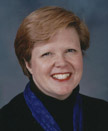 Dr. Kathleen Kendall-Tackett is a health psychologist and a board certified lactation consultant from the University of New Hampshire in Durham. Her work focuses on family violence and perinatal health.
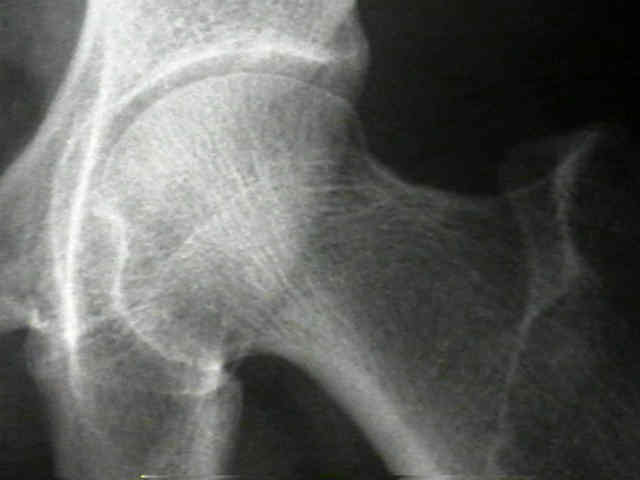 Researchers from the University of Western Sydney in Australia
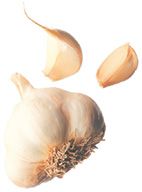 Garlic (Allium sativum) is one of the most commonly used
 The National Healthy Mothers, Healthy Babies Coalition has
 HealthNotes Newswire
 Exposure to a familiar odor was associated with less crying.
 Here’s more evidence that the health of your offspring is influenced by what mom eats while pregnant.
 Results from the Invecchiare in Chianti (InCHIANTI)
 Relatively high doses of omega 3-rich fish oil
 Let’s see what the Cochrane Collaboration reveals.
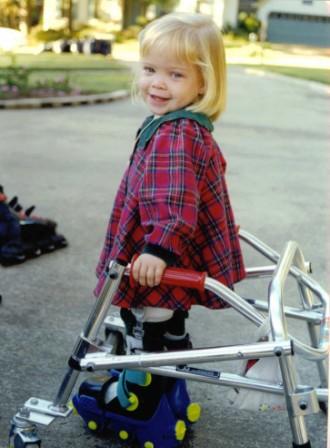 It’s associated with a significant reduction in the rate of neural-tube defects (eg, spina bifida) in Canada.
 Yes, according to Dr. Timothy McCall who is an editor on Yoga Journal.
 A survey of midwifes in the United States revealed that 45% used black cohosh to induce labor. The preparation is called “mother’s cordial? or “partus preparatus.” In addition to black cohosh, it contains squaw vine (Mitchella ripens), raspberry (Rubus idaeus), blue cohosh (Caulophyllum thalictroides), and false unicorn (Chamaelirium luteum).
 I received some emails promoting Nature Made CholestOff. It contains plant extracts called phytonutrients, specifically phytosterols and phytostanols. They work by reducing the absorption of LDL “bad” cholesterol and total cholesterol from the intestines.
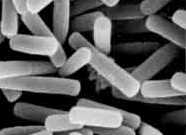 Necrotizing enterocolitis is a serious intestinal disorder. It affects 7% to 15% of very low-birth-weight (less than 1500-gram; 3.3 pound) infants. Death occurs in about 12 per 100,000 affected babies.
 For infants who must be feed using nutrition injected directly into a large blood vessel, the development of liver disease is a life-threatening long-term
 Ms. Jennifer Rheingans is a nurse educator for pediatrics at Sarasota Memorial Hospital in Florida. In the Journal of Pediatric Oncology Nursing she
 “Several studies have pointed to vitamin E as possibly protective against … dementia,”