Fall-related injuries are the leading cause of injury, deaths, and disabilities among adults older than 65 years. Minimizing the fall risk is a practical approach to reducing these serious injuries.
The available evidence suggests, “Ginger may be an effective treatment for nausea and vomiting in pregnancy.”
Researchers from the University of Naples in Italy came to this conclusion based on their review of the medical literature, and the results of 6 well-designed clinical studies of 675 pregnant women.
For the first time prebiotics lowered the risk atopic dermatitis in a high-risk population of infants.
More than 200 infants at risk for atopy (an allergy involving an inherited immunoglobulin of the IgE type) took part in the study. Those on bottle-feeding were randomly assigned to a prebiotic formula (a mixture of galacto- and long chain fructo-oligosaccharides) or maltodextrine as placebo.
There have been lots of posts here on probiotics and their effects in a wide range of infections of the GI tract. Probiotics are an appealing concept given their favorable safety profiles.
Now, a summary of clinical trials has been published.
Feeling tired, overwhelmed, stress out? Maybe more physical contact with the baby is the answer.
A study of the effects of baby massage on mothers? mood status concluded ?- as we would have guessed — baby massage has a positive effect on the mood status of the mothers.
Pre-eclampsia is a serious complication of pregnancy. It occurs in up to 8% of women who experience increased blood pressure and protein in the urine. It’s possible that garlic may lower blood pressure and help reduce the risk of pre-eclampsia.
In an earlier post it was concluded that lavender oil treatments might be helpful for treating insomnia in adults. Children with autism often have sleep difficulties. But this latest study suggests it does not appear that their sleep patterns are altered by this treatment.
“What you feed your baby and toddler could be the key to controlling their waistline as they grow through childhood and into adulthood,” according to the University of Michigan.
Here are the highlights of the article.
Breastfeeding protects against obesity risk later in life
Seek help from a pediatrician or a lactation consultant if difficulty develops
Begin solid food no sooner than four to six months of age
A child?s first flavor experience should be something healthy
The more a child tastes a particular food, the more they’ll like it
Don’t make sweets their first experience with solid food
Encourage eating a wide variety of foods
Before childbirth?
Nursing moms should be vigilant about the foods they eat
Women who drank carrot juice through pregnancy had infants who enjoyed pureed carrots more at four months of age than those children whose mothers did not drink carrot juice during pregnancy.
There’s more good information here, here, and here.
Two studies published this summer showed positive health effects of curry. One looked at brain function, the other at the colon.
First, the brain.
Mini-Mental State Examination (MMSE) scores were compared among 1010 elderly Asians, aged 60 to 93 years. The MMSE is used to determine the extent of dementia in adults. The results of the test were then compared to categories of curry consumption: “often” (more than once a month), “occasionally” (once or more in 6 months but less than once a month), and “never or rarely.”
The International Council on Active Aging and AARP will sponsor Active Aging Week, September 25th to October 1st.
I mention it because one of the sponsors offers a locator for “age-friendly” fitness centers. It’s designed to help people over 50 find a gym or a health club. It’s unclear what they do to make themselves “age-friendly,” however.
Probiotics reduce cholesterol absorption and increase cholesterol excretion. But it’s unclear if the effect has significance for patients with hypercholesterolemia.
It’s called WellPatch Cough & Cold Soothing Vapor Pads.
It was intended to be applied to the throat or chest of children two years of age and older so they could inhale the vapors. Unfortunately, it was easy for the munchkins to remove the patch and place it in their mouths.
“I have had acupuncture because I can get angry and I hate that feeling,” says Hannah (age 16 years), “you know, when you get really hot and out of control with your temper. I find it easier now to stay in control. I would tell anyone to have acupuncture if they have the chance.”
I go to the nursing home to visit my mother who is 90 and has Alzheimer’s disease. I walk into the lounge where the patients sit. Titanic is playing on the TV. Nobody looks interested. Most are sleeping — or maybe they’re sedated.
That night, as I’m reading, voil?, the value of art therapy in patients with Alzheimer’s disease becomes clear.
What is the value in avoiding dust mites and increasing omega-3 fatty acids in a child’s diet — especially in children at high risk of developing asthma because of a family history? Lots of research has gone on down under to answer this question. It’s part of the CAPS trial (Childhood Asthma Prevention Study).
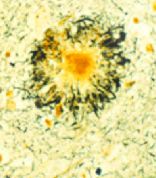 Vitamin E is the second most commonly used supplement after mutivitamins. About 10% of people in the US take vitamin E supplements every day.
 Fall-related injuries are the leading
 The available evidence suggests, “Ginger may be an effective treatment for nausea and vomiting in pregnancy.”
 There are few studies of homeopathic treatment for pain in children.
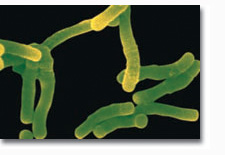 For the first time prebiotics lowered the risk atopic dermatitis in a high-risk population of infants.
 Here’s why this is
 Feeling tired, overwhelmed, stress out? Maybe more physical contact with the baby is the answer.
 Pre-eclampsia is a serious complication of pregnancy. It occurs in up to 8% of women who experience increased blood pressure and protein in the urine. It’s possible that garlic may lower blood pressure and help reduce the risk of pre-eclampsia.
 In an earlier
 “What you feed your baby and toddler could be the key to controlling their waistline as they grow through childhood and into adulthood,”
 It’s hard to believe they’re serious, but go to the
 Two studies published this summer showed positive health effects of curry. One looked at brain function, the other at the colon.
 The International Council on Active Aging and AARP will
 It’s called WellPatch Cough & Cold Soothing Vapor Pads.
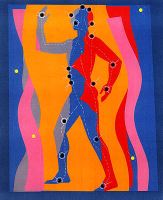 “I have had acupuncture because I can get angry and I hate that feeling,” says Hannah (age 16 years), “you know, when you get really hot and out of control with your temper. I find it easier now to stay in control. I would tell anyone to have acupuncture if they have the chance.”
 I go to the nursing home to visit my mother who is 90 and has Alzheimer’s disease. I walk into the lounge where the patients sit. Titanic is playing on the TV. Nobody looks interested. Most are sleeping — or maybe they’re sedated.
 What is the value in avoiding dust mites and increasing omega-3 fatty acids in a child’s diet — especially in children at high risk of developing asthma because of a family history? Lots of research has gone on down under to answer this question. It’s part of the CAPS