 Researchers from the University of Alberta, in Canada reviewed its value in term or preterm neonates. Continue reading Music during the neonatal period
Category Archives: Pain
TENS for pain relief during labor?
 There’s little evidence supporting the use of transcutaneous electrical nerve stimulation (TENS) during labor, but does that mean it shouldn’t be recommended?
Researchers from the University of Manchester, in the UK come to a bewildering conclusion. Continue reading TENS for pain relief during labor?
Using Gausha to treat musculoskeletal pain
 Guasha (aka Gha Sha) is used in Chinese medicine to control pain. It uses tools to scrape or rub the surface of the body to relieve blood (Xue) stagnation (video here).
Researchers from the Korea Institute of Oriental Medicine, in Daejeon, South Korea reviewed the supporting evidence. Continue reading Using Gausha to treat musculoskeletal pain
Is sham acupuncture really a placebo?
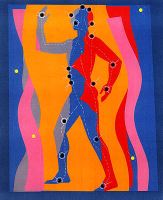 Sham needling may be as powerful as verum (traditional) acupuncture, according to researchers from the Karolinska Institutet, in Stockholm, Sweden. Continue reading Is sham acupuncture really a placebo?
Physicians’ views of acupuncture to treat chronic pain
 Many studies of acupuncture have been conducted. Yet, poorly designed studies do nothing to advance the value of acupuncture. As a practical matter, they just provide ammunition for skeptics.
Forget the studies. Based on their clinical experience, what do allopathic physicians think of acupuncture for treating chronic pain? Continue reading Physicians’ views of acupuncture to treat chronic pain
Benefits of exercise in peripheral artery disease
 Peripheral artery disease affects blood circulation in the arteries that lead to the legs and feet. It results in pain, weakness, numbness, or cramping — mostly in older people.
Researchers from the University of Florida, in Gainesville studied the effects of low intensity treadmill walking. Continue reading Benefits of exercise in peripheral artery disease
Pollen extract to treat chronic pelvic pain syndrome
 Men with chronic prostatitis or chronic pelvic pain syndrome (CP/CPPS) have persistent discomfort or pain in the pelvic area that lasts several months, often longer. Discomfort is usually at the base of the penis and around the anus and lower back. Sometimes it spreads into the testes. The cause isn’t known.
Researchers at Justus-Liebig-University of Giessen, in Germany studied the response to pollen extract (Cernilton). Continue reading Pollen extract to treat chronic pelvic pain syndrome
Using massage to reduce pain after exercise
 In this study by researchers at the University of Iowa in Iowa City, massage reduced delayed onset muscle soreness by almost half. Continue reading Using massage to reduce pain after exercise
Review: Qigong to treat pain
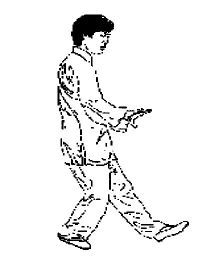 Qigong is an internal martial art in which one learns to sense the Qi (the circulating life energy) moving in their body.
Prof. Ernst reviewed the research on qigong to treat pain. Continue reading Review: Qigong to treat pain
Self-hypnosis and biofeedback for spinal-cord injury pain
 Dr. Mark Jensen (photo), who is Professor and Vice Chair, Department of Rehabilitation Medicine at the University of Washington, in Seattle has published a series of studies on this topic.
Here’s a summary of his most recent research, and an overview of the past 3 years. Continue reading Self-hypnosis and biofeedback for spinal-cord injury pain
Using TENS to treat pain after abortion
Researchers from Sahlgrenska University Hospital/Östra, in Göteborg, Sweden compared high-frequency, high-intensity transcutaneous electrical nerve stimulation (TENS) vs intravenous conventional pharmacological treatment after surgical abortion. Continue reading Using TENS to treat pain after abortion
Acupuncture to treat TMD?
 Temporomandibular disorders (TMD) are due to problems with the jaw, jaw joint, and surrounding facial muscles that control chewing and moving the jaw.
Researchers at San Pablo CEU University, in Madrid, Spain reviewed the published research. Continue reading Acupuncture to treat TMD?
Capsaicin: The biggest winner in CAM for 2009
 Qutenza (capsaicin) 8% patch is a medicated skin patch that can be used to help relieve the pain of post-herpetic neuralgia (PHN).
This high concentration is now approved by the FDA for use as a prescription drug. And that places this complementary option for treating PHN squarely in the main stream. Continue reading Capsaicin: The biggest winner in CAM for 2009
Effects of distant healing on chronic pain
 Some studies on distant healing for chronic pain exist, but the value of this treatment is controversial.
Researchers from Holos University, in Fair Grove, Missouri contribute a small study to the debate. Continue reading Effects of distant healing on chronic pain
For pain control, must the acupuncture needle penetrate the skin?
 Not in this study, according to researchers in Japan. Continue reading For pain control, must the acupuncture needle penetrate the skin?
Do fancy keyboards improve work-related arm, neck, or shoulder complaints?
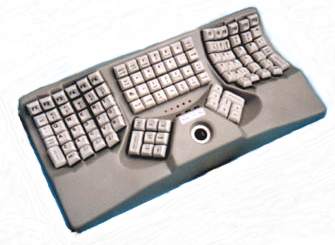 Ergonomic adjustments (modified keyboard layouts and ergonomic advice) play a major role in treating most work-related complaints.
This Cochrane review concludes that the scientific support is underwhelming. Continue reading Do fancy keyboards improve work-related arm, neck, or shoulder complaints?
Flaxseed review
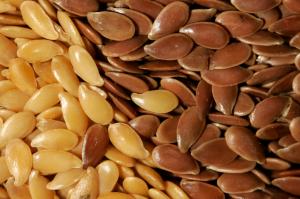 Medscape has published 2 case histories. One patient wants to take flaxseed to improve cholesterol levels and diabetes control. The other has constipation and premenstrual symptoms.
Here’s what we know. Continue reading Flaxseed review
Magnetic acupuncture to reduce pain during bone marrow biopsy
 Researchers at Johns Hopkins University School of Medicine, in Baltimore, Maryland studied cancer patients during bone marrow aspiration and biopsy. Continue reading Magnetic acupuncture to reduce pain during bone marrow biopsy
Review: Tai chi for chronic musculoskeletal pain
 Researchers from The University of Sydney, Sydney, in Australia reviewed the literature. Continue reading Review: Tai chi for chronic musculoskeletal pain
Correlating vitamin D levels and the need for pain meds
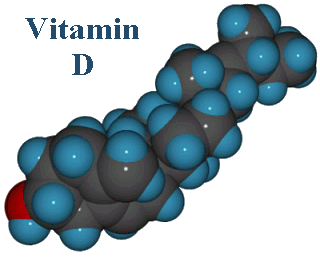 Mayo Clinic research shows that inadequate vitamin D levels are associated with a greater need for narcotic medication in patients with chronic pain. Continue reading Correlating vitamin D levels and the need for pain meds