 Researchers in Taiwan studied the effects of music on women in labor during of their first pregnancy. Continue reading Music to control pain and anxiety during labor
Category Archives: Pain
Music therapy to aid burn dressing changes
 Researchers at Case Western Reserve, University School of Medicine, in Cleveland, Ohio, studied the effect of music therapy on pain, anxiety, and muscle tension levels during dressing changes in burn patients. Continue reading Music therapy to aid burn dressing changes
Acupressure to reduce pain during labor
Researchers from Sweden and India evaluated the effect of acupressure during the active phase of labor on nulliparous (first pregnancy) women’s ratings of labor pain. Continue reading Acupressure to reduce pain during labor
Review: Glucosamine, chondroitin, and osteoarthritis
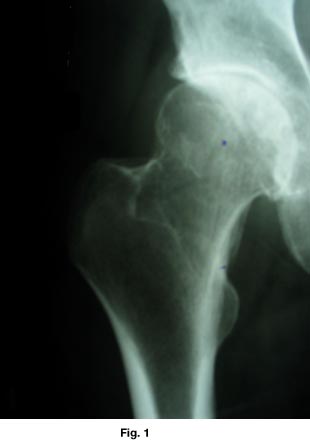 Researchers in Europe reviewed the evidence for glucosamine, chondroitin, and the combination to treat osteoarthritis of the hip or knee. Continue reading Review: Glucosamine, chondroitin, and osteoarthritis
Krill oil vs fish oil to manage premenstrual syndrome and dysmenorrhea
 In this study, researchers at the University of Montreal, in Quebec, evaluated the response to alternative sources of omega-3 fatty acids (krill vs fish) in women with premenstrual syndrome.
A reader comments, and I reply. So, it’s back to the top of the queue for this post. Continue reading Krill oil vs fish oil to manage premenstrual syndrome and dysmenorrhea
St. John’s wort interaction with oxycodone
 Chronic pain is associated with depression.
Self-treatment of that depression with St John’s wort makes pain patients prone to a drug interaction with the potent pain drug, oxycodone (OxyContin), according to this study by researchers at the University of Turku, in Finland. Continue reading St. John’s wort interaction with oxycodone
Giving sugar to infants to control pain
 Researchers at the University College London, in the UK, tell us, “Many infants admitted to [the] hospital undergo repeated invasive procedures. Oral sucrose is frequently given to relieve procedural pain in neonates on the basis of its effect on behavioral and physiological pain scores.”
Here are the results of their study that measured brain activity during an acute painful procedure. Continue reading Giving sugar to infants to control pain
Vitamin D to reduce joint pain with aromatase inhibitors
 Aromatase inhibitors (listed below) are a class of drugs used to treat breast cancer and ovarian cancer in postmenopausal women. Joint pain (arthralgia) is the main reason women stop taking this drug.
Researchers at the University of Barcelona, in Spain, used vitamin D to lower the risk of arthralgia. Continue reading Vitamin D to reduce joint pain with aromatase inhibitors
TENS for cancer pain
 Transcutaneous electrical nerve stimulation (TENS) devices produce electrical currents to stimulate nerves through unbroken skin.
Here’s the Cochrane review. Continue reading TENS for cancer pain
CAM for spinal cord injury pain
 Researchers at the University Medical Centre Utrecht and De Hoogstraat, in The Netherlands surveyed the use of CAM in a large group of Dutch patients with spinal cord injury. Continue reading CAM for spinal cord injury pain
Effectiveness of patient education on pain and anxiety
Researchers at The University of Hong Kong, in China, studied the effectiveness of pain management education in people with musculoskeletal trauma that required orthopedic surgery. Continue reading Effectiveness of patient education on pain and anxiety
Effect of breathing rate on pain and emotion in women with fibromyalgia
 Researchers at Arizona State University, in Tempe studied the effects of breathing rate following thermal pain in women with fibromyalgia syndrome. Continue reading Effect of breathing rate on pain and emotion in women with fibromyalgia
No effect of ginger on muscle pain during cycling
 Researchers from Georgia College and State University in Milledgeville studied ginger’s effects following cycling exercise. Continue reading No effect of ginger on muscle pain during cycling
The role of adenosine in the analgesic response to acupuncture
 A valued reader of this site, Rachelle Holmes at Chicago Plastic Surgery Center, wrote to suggest the importance of understanding the adenosine A1 receptors in the mechanism of action of acupuncture for pain management.
Animal research is not usually covered here. However, considering that acupuncturists who read this site frequently tell me that conclusions in the literature (eg, fibromyalgia summarized here, here, and here) understate their experience, perhaps this latest study by researchers at the University of Rochester, in New York deserves mention.
First, the details.
- Peripheral inflammation was induced by injection of Freund’s complete (CFA) in the bottom of the right hind paw of mice.
- An equal amount of saline (0.1 ml) was injected in the bottom left hind paw as a control.
- Neuropathic pain was induced by tying the right leg sciatic nerve in the anesthetized mice with polypropylene suture.
- Response to pain was measured using a radiant heat source focused on the hind paw, and the time to move the paw from the heat.
- A small acupuncture needle was gently inserted in a depth of 1.5 mm in the Zusanli point, and rotated every 5 minutes for 30 minutes.
And, the results.
- Adenosine, a neuromodulator with anti-pain properties, was released during acupuncture in mice.
- Neuromodulators potentiate or inhibit the transmission of a nerve impulse but is not the actual means of transmission itself.
- Acupuncture’s anti-nociceptive actions required the presence of the adenosine A1 receptor.
- Direct injection of an adenosine A1 receptor agonist mimicked the pain relieving effect of acupuncture.
- Inhibition of enzymes involved in adenosine degradation increased the acupuncture-elicited increase in adenosine, as well as its anti-pain effect.
The bottom line?
The authors concluded, “These observations indicate that adenosine mediates the effects of acupuncture and that interfering with adenosine metabolism may prolong the clinical benefit of acupuncture.”
The study is important because it shows there’s a physiologic change in response to acupuncture that helps explain the pain relieving response.
It would be interesting to know whether sham acupuncture creates the same response.
6/21/10 19 JR
Acupuncture to treat plantar fasciitis
 It’s a common cause of heel pain.
Researchers from Hong Kong Baptist University report benefit with acupuncture. Continue reading Acupuncture to treat plantar fasciitis
Evidence of an analgesic response to acupuncture in healthy adults
Researchers at the University of Munich, in Germany, studied the immediate effects of different types of acupuncture on thermal, mechanical, and vibratory sensory thresholds. Continue reading Evidence of an analgesic response to acupuncture in healthy adults
Effects of omega-3 fatty acids in patients with rheumatoid arthrits
 Researchers at State Hospital Muerzzuschlag, in Austria looked for changes in swollen and tender joints. Continue reading Effects of omega-3 fatty acids in patients with rheumatoid arthrits
Making the connection between static magnets and TMS
 The Mayo Clinic Health Letter makes the connection between static magnets and transcranial magnetic stimulation (TMS).
You’ll have to subscribe to read the whole article, but it’s interesting that Mayo places both treatments in the same category. Continue reading Making the connection between static magnets and TMS
Electroacupuncture for urologic chronic pain
 Urologic Chronic Pelvic Pain Syndromes (UCPPS) refers to pain associated with the bladder (ie, interstitial cystitis/painful bladder syndrome, IC/PBS) and the prostate gland (ie, chronic prostatitis/chronic pelvic pain syndrome, CP/CPPS).
Researchers from Kyung Hee University, in Seoul, Korea studied the effect of electroacupuncture. Continue reading Electroacupuncture for urologic chronic pain
Effects of deep breathing on pain management
 There was a significant difference in patient satisfaction, according to researchers in Chicago.
But what about their pain? Continue reading Effects of deep breathing on pain management