Category Archives: Pain

The long-term value of self-acupuncture for chronic musculoskeletal pain

Acupuncture is expensive, but self-acupuncture might offer an effective treatment alternative. A retrospective audit of patients in the U.K. with chronic pain who were taught self-acupuncture as a home pain management strategy has been published. Each patient had responded to acupuncture previously and been taught self-acupuncture successfully using three acupuncture points (LI4, ST44, LR3).

Here’s a summary or the results.

Continue reading The long-term value of self-acupuncture for chronic musculoskeletal pain →

Trying to document the effects of Johrei

Johrei (pronounced Jo-ray) is a non-touch healing method similar to reiki. It involves channeling of “universal healing energy” to influence the health of another person. Three studies in the past 15 months have attempted to correlate subjective changes with other objective outcomes.

Here’s a quick review.

Continue reading Trying to document the effects of Johrei →

The yin and yang of ionized bracelets

“We believe [the ionized bracelet] affects the body’s bio-electric balance of positive and negative ions (Yin and Yang), so as to achieve Chi.”

That’s the claim. In addition the bracelets “optimize your bio-energy, to promotion [sic] better performance and an overall sense of health and well-being.”

It’s hard to believe anyone would take such claims seriously. But they do.

The Mayo Clinic tested the bracelets in more than 600 adults. Here are the results.

Continue reading The yin and yang of ionized bracelets →

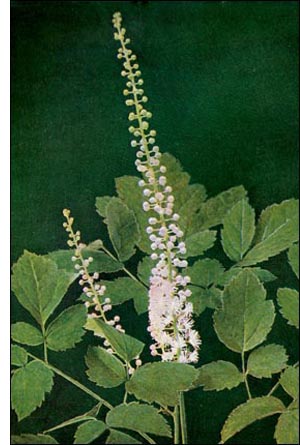
Black cohosh warnings

This site has followed the growing safety concerns over black cohosh here and here.

Now, The Medicines and Healthcare Products Regulatory Agency of the U.K. will issue new labeling regulations with warnings. And the European Medicines Agency (EMEA) and its Committee on Herbal Medicinal Products have issued a public statement that warns of the potential connection between herbal medicinal products containing black cohosh root (Cimicifugae racemosae rhizome) and hepatotoxicity.

The statement includes the following advice.

Continue reading Black cohosh warnings →

Transcendental meditation and the response to acute pain

WebMD and CBS News (which uses WebMD news releases) used a little common sense when summarizing the results of a new study on transcendental meditation (T M). The article appears in the August issue of NeuroReport.

Other medical news sources opted for more hype than substance. The offenders include EurekAlert, MedicineNet.com, MedlinePlus, HealthCentral.com, BrightSurf.com, Science Blog, and MedicineWorld.org.

I could make the list longer, but it’s getting late.

Here is what everyone reported.

Continue reading Transcendental meditation and the response to acute pain →

Transcranial magnetic stimulation and neuropathic pain

The results from two studies of transcranial magnetic stimulation (TMS) may lead to a better method of predicting or assessing the effects of drugs used to treat neuropathic pain.

In TMS, a magnetic coil is moved over the brain. The resulting magnetic fields induce tiny electrical currents in the skull that alter the activity of nerve pathways, leading (in these studies) to stimulation of different areas.

In the first study, the antiseizure drugs carbamazepine (Carbatrol), gabapentin (Neurontin) and topiramate (Topamax) administered to 8 patients with neuropathic pain reduced the TMS excitability of certain nerves in the brain.

In the second study, the extent of the suppresion of the nerves was greater in 23 patients with neuropathic pain as the dose of topiramate increased.

Here’s some background.

Continue reading Transcranial magnetic stimulation and neuropathic pain →

Acupuncture: Does it matter where the needles go?

More than 1000 patients with chronic pain for at least 6 months due to osteoarthritis of the knee received up to 6 physiotherapy sessions and as-needed anti-inflammatory drugs. In addition, they were randomly assigned to receive 10 sessions of traditional Chinese acupuncture (TCA) or sham acupuncture from experienced acupuncture therapists, or 10 physician visits within 6 weeks.

The inclusion of acupuncture led to greater improvement in Western Ontario and McMaster Universities Osteoarthritis Index (WOMAC) scores and physical functioning at 26 weeks.

But here is the point. (Sorry, I couldn’t help my self.) There was no significant difference in improvement between TCA and sham acupuncture. The researchers concluded that one explanation for the lack of any observed differences could be the physiologic effect of needling regardless of whether it is done according to TCA principles. Further analysis is provided here.

7/11/06 23:03 JR

Acupuncture as effective long-term pain control

A 2003 technology assessment by the U.S. Department of Health and Human Services concluded, “The currently available evidence is insufficient to determine whether acupuncture has a specific beneficial effect in osteoarthritis.”

Since then, two studies reported benefits with acupuncture in patients with osteoarthritis of the knee. In the first study, 570 patients were treated for 26 weeks. Those treated with true acupuncture experienced significantly greater improvement as measured by the Western Ontario and McMaster Universities Osteoarthritis Index (WOMAC) pain and function scores at 8 weeks and 26 weeks vs. those treated with sham acupuncture.

In the second study, 294 patients were assigned to 8 weeks of acupuncture, minimal acupuncture (superficial needling at non-acupuncture points), or an education control group. Pain and joint function measured by WOMAC improved significantly with acupuncture vs. the other treatments at the end of 8 weeks. However, the benefits decreased over time, with no difference between groups at 52 weeks.

Thus, the quandary. Chronic acupuncture treatments are expensive. How do we maintain the benefit of acupuncture over the long term? Is it possible that acupuncture can be self-administered successfully? The results of a retrospective audit of 52 patients who had a positive response to acupuncture previously found that 8 out of 10 patients continued to have pain reduction with self-acupuncture. Quality of life was also improved, and no serious adverse effects were reported.

The investigators concluded that self-acupuncture has considerable potential to reduce clinic waiting lists and appointment times for patients.

One would anticipate cost savings as well.

7/3/06 22:22 JR