 I ask, “Does it matter where the needles go?”
Well, this review by the Cochran Collaboration suggests it does matter — at least for chronic neck pain.
 In a letter to the editor several years ago, Dr. David von Weiss argued for consideration of mindfulness meditation when treating fibromyalgia.
As a family physician who taught mindfulness meditation, he found that patients with fibromyalgia were grateful for the improvement after learning this mind/body process.
A PubMed search on “mindfulness” and “fibromyalgia” disclosed only two clinical studies. Here’s what they report.
Continue reading Mindfulness meditation to relieve depression in women with fibromyalgia
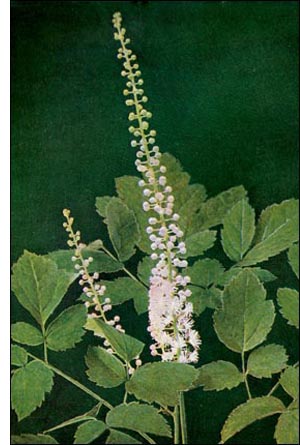 This site has discussed black cohosh before. Our focus was on the lack of effectiveness for the treatment for menopausal symptoms, and the lack of manufacturing standards that result in variability in product content of black cohosh.
Now, following an analysis of 16 case reports of hepatotoxicity associated with the use of Cimicifugae racemosae rhizoma (black cohosh, root), the European Medicines Agency has advised consumers to stop taking black cohosh and consult their doctor immediately if they develop signs and symptoms suggestive of liver injury. Examples include tiredness, loss of appetite, yellowing of the skin and eyes, or severe upper stomach pain with nausea and vomiting or dark urine.
Be forewarned.
7/21/06 21:11 JR
 Chronic pancreatitis is most often caused by alcoholism and alcohol abuse. The ability to get these patients to commit and stick with yoga classes twice weekly for 12 weeks is a major accomplishment. Improved quality of life is a bonus.
Here are the results from two studies.
Continue reading Yoga improves quality of life in patients with chronic pancreatitis
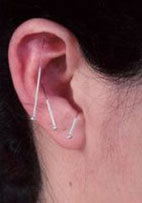 This is the first study of this form of acupuncture in patients having surgery in an outpatient setting.
Continue reading Auricular acupuncture reduces pain after surgery, but does it matter?
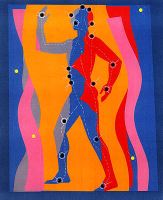 Another group has reviewed the literature and concluded there is moderate evidence for its use to treat neck pain.
“Moderate” evidence that acupuncture?
These conclusions are based on the results of 10 clinical studies. It agrees with an earlier Cochrane review.
1/17/07 19:04 JR
 The February issue of The Journal of Pain will publish an article about the response to caffeine in 9 women following exercise.
It’s being picked up by lots of news websites, but until the article appears, Medical News Today has the best review.
Continue reading Using caffeine to ease the pain after exercise
Fibromyalgia is a pain syndrome caused by the brain’s inability to accurately interpret pain sensations due to the presence of psychosocial and behavioral factors. About 3.7 million adult Americans are afflicted. It primarily occurs in women of childbearing age, but children, the elderly, and men may also be affected.
Because of these psychosocial and behavioral factors, complementary treatments such as cognitive behavioral therapy (CBT) are recommended here and here to optimize treatment.
Continue reading Cognitive behavioral therapy for fibromyalgia
 Transcutaneous electrical nerve stimulation (TENS) is commonly used to control pain from many causes. TENS is popular because it’s cheap, safe, and can be self-administered. In Canada, the results from one survey of 50 hospitals estimated over 450,000 uses of TENS annually.
How effective is it?
 Winner: If you can stick a pin in it, researchers are eager to study acupuncture.
Here is a profile of CAM users among patients with cancer who live in Washington State. The data come from an insurance survey. So, it’s limited to what people submit for reimbursement.
 North of the (US) border it’s possible to get medical marijuana from the government if you have a “grave or debilitating disease.”
Here’s a report on a group of such patients who reported relief from smoking or taking marijuana by mouth.
 Animal studies are usually too early in the drug development process to be of interest to this blog, but here’s an interesting study in the news.
Continue reading Probiotics and early studies of abdominal pain control
A rather small expenditure of time resulted in improved quality of life in a group of more than 800 patients with arthritis.
But not everybody thinks it was worth the effort.
Continue reading The value of self-management of arthritis
 Here are the results. Would you say that aromatherapy was effective?
Continue reading Testing aromatherapy to treat pain after surgery
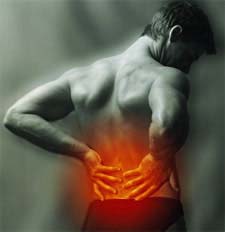 This review concludes that spinal manipulation and acupuncture are not cost-effective for low-back pain.
Here are the “money” quotes from this UK study.
Continue reading Cost-effectiveness of spinal manipulation and acupuncture for low-back pain
An earlier post summarized the Cochrane Collaboration’s positive assessment of acupuncture to treat chronic neck pain. Now, there’s additional support based on a study of more than 14,000 patients.
Continue reading Acupuncture: Effective and possibly cost effective in treating chronic neck pain
 Spinal manipulation (SM) is a traditional treatment practiced by chiropractors, osteopaths, physiotherapists, and other healthcare providers mostly (but not exclusively) to treat musculoskeletal problems. SM can be described as the use of hands or force applied to the patient to achieve a therapeutic outcome.
The literature supports SM for treating back pain, but not much else.
 RA-11 (Artrex, Mendar) is a standardized multiplant Ayurvedic drug that contains Withania somnifera, Boswellia serrata, Zingiber officinale, and Curcuma longa. In a 32-week study of 90 people with osteoarthritis of the knee, it was more effective than placebo for pain relief.
OK, but I have some questions.
Continue reading Ayurvedic drug reported effective to treat osteoarthritis of the knee
 I love the studies on repetitive transcranial magnetic stimulation (rTMS). It’s magnet therapy for the 21st century — sort of.
Here’s why the results of this latest study are important.
Continue reading Magnetic stimulation lowers use of pain meds following gastric bypass surgery