As many as one-half of patients with breast cancer experience chemotherapy-associated cognitive dysfunction (eg, perception, memory, judgment, and reasoning).
Dr. David Jenkins and colleagues at St Michael’s Hospital in Toronto have published research showing that diversifying cholesterol-lowering components in the same diet increases the effectiveness of diet as a treatment of high blood cholesterol levels.
Oral cancer (cancer of the mouth) accounts for about only 4% of all cancers diagnosed each year in the US, but survival rates are among the lowest of major cancers.
SpineUniverse is “a collaborative effort of medical professionals to serve the community of individuals suffering from back pain.” Their editorial board includes more than 70 members, almost all of whom are medical doctors and no chiropractors.
As you’ll see, their conclusions regarding low back pain are not surprising. Compare them to the conclusions from a recent review by faculty and PhD candidates from the Department of Health and Chiropractic, Macquarie University, Australia.
Recently, 4 patients experienced seizures multiple times following heavy consumption of energy drinks. The authors proposed that energy drinks rich in caffeine, taurine, and guarana seed extract could have provoked these seizures.
Researchers at the University of Pennsylvania School of Medicine in Philadelphia reviewed the records of about 2500 women — some with and others without breast cancer.
A literature review published in the Journal of Alternative and Complementary Medicine found 15 supplements that had been studied for their benefits in preventing or treating coronary heart disease.
According to the researchers from the University of Washington in Seattle…
Researchers from the University of Yamanashi in Japan reviewed studies of soy isoflavones (ie, phytoestrogens [plant estrogens] found chiefly in soybeans) and report “It decreases bone loss in the spine.”
It has been suggested that Allium sativum (garlic) inhibits platelet function. If true, this might have positive (used to treat stroke) or negative (bleeding during surgery) effects.
Cranberry juice has been suggested to have an interaction with the blood thinner (anticoagulant) warfarin (Coumadin). However, there are few reported cases of the warfarin-cranberry juice interaction.
In 2003, Germany, Canada, the United Kingdom and other countries banned sales of highly concentrated kava dietary supplements, which had been linked to liver damage and death. A summary report is here.
 As many as one-half of patients with breast cancer experience chemotherapy-associated cognitive dysfunction (eg, perception, memory, judgment, and reasoning).
 A moderate dose of omega-3 polyunsaturated fatty acids (PUFAs) for 2 months reduced adiposity and atherogenic markers, and had no negative effect on insulin sensitivity.
 Transcranial magnetic stimulation (TMS) was effective and safe in this
 Eicosapentaenoic acid (EPA) from fish oil lowers triglyceride
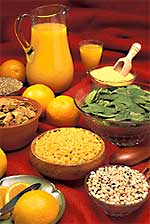 Dr. David Jenkins and colleagues at St Michael’s Hospital in Toronto have published
 There’s evidence — just not enough of it, yet.
 Oral cancer (cancer of the mouth)
 Professor Richard Beasley from the Medical Research Institute of New Zealand has
 SpineUniverse is “a collaborative effort of medical professionals to serve the community of individuals suffering from back pain.” Their editorial
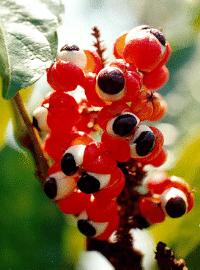 Recently, 4 patients experienced seizures multiple times following heavy consumption of energy drinks. The authors
 It’s only one
 Researchers at the University of Pennsylvania School of Medicine in Philadelphia
 Researchers from the German Institute of Human Nutrition Potsdam-Rehbruecke in Nuthetal
 Researchers from the University of Yamanashi in Japan reviewed studies of soy isoflavones (ie, phytoestrogens [plant estrogens] found chiefly in soybeans) and report “It decreases bone loss in the spine.”
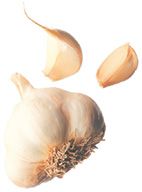 It has been suggested that Allium sativum (garlic) inhibits platelet function. If true, this might have positive (used to treat stroke) or negative (bleeding during surgery) effects.
 Cranberry juice has been suggested to have an interaction with the blood thinner (anticoagulant) warfarin (Coumadin). However, there are few reported cases of the warfarin-cranberry juice interaction.
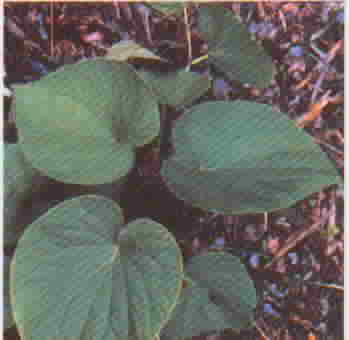 In 2003, Germany, Canada, the United Kingdom and other countries banned sales of highly concentrated kava dietary supplements, which had been linked to liver damage and death. A summary report is
 MayoClinic.com has
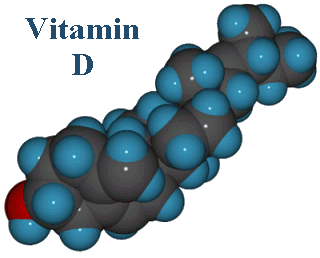 Research presented during the American Epilepsy Society 61st Annual Meeting