Periodontal disease is a gum disease (such as periodontitis or gingivitis) that, if untreated, inflames and eventually destroys the bone and tissues that support and anchor the teeth.
Research from Emory University in Atlanta indicates that patients with HIV/AIDS might be using CAM as an alternative to highly active anti-retroviral (HAART) HIV/AIDS treatment regimens.
The journal Postgraduate Medicine has a good review article on whiplash. Although it is dated (published in 2001), healthcare professionals and other humans should find it informative.
The most interesting statement in light of an earlier post on this site regarding the intensity of care and recovery is the following.
Danshen (Radix Salviae Miltiorrhiza Bge, Salvia Root P.E.) extract is used to treat and prevent heart disease and senility in Asia, according to researchers from China. In some cases, patients might take danshen combined with theophylline (used to treat asthma).
Ten years ago, the late Dr. William Fair, a surgeon at the Memorial Sloan-Kettering Cancer Center and CAM advocate wrote, “epidemiologic and laboratory evidence increasingly demonstrate that nutritional factors, especially reduced fat intake, soy proteins, vitamin E derivatives, and selenium, may have a protective effect against prostate cancer.”
Now, Steffen Theobald, a nutritional consultant and manager at the Scientific Association for the Improvement of Patient Competence in Germany updates the role of nutrition in the development, prevention, and treatment of prostate cancer.
A few years ago, a review of 30 studies of healing touch concluded, “no generalizable results were found.” In plain English that means there was no disease nor any group of patients with a disease where healing touch was a reliable treatment alternative.
A new study of healing touch in 12 veterans with neuropathic pain and the associated psychological distress from post spinal cord injury comes to the same conclusion.
During a cruise last spring I took some classes in Pilates. We used blue spongy yoga mats, and I remember thinking to myself each time I picked one from the pile in the corner, “Are these things ever cleaned?
In general, past entries on this topic were positive, although peppermint oil gets a “C” rating (inconsistent or limited-quality patient-oriented evidence) for irritable bowel syndrome (IBS).
It saddens me, but it’s instructive regarding the bias at CBS. Notice there’s no attempt to balance the report with any of the risks of marijuana or the lack of science on its “benefits.”
Here are the results of a study of Ayurvedic herbal treatment for health problems caused by exposure to the toxic chemicals at Ground Zero and in lower Manhattan following the September 11 attack on the World Trade Center.
Researchers from Rush University Medical Center in Chicago have reported, “no relation between statin use and the risk of Alzheimer’s disease or a decline in thinking ability.”
 Periodontal disease is a gum disease (such as periodontitis or gingivitis) that, if untreated, inflames and eventually destroys the bone and tissues that support and anchor the teeth.
 Researchers at Wonkwang University in Iksan, South Korea
 Suxiao jiuxin wan is a mixture of herbs that is used in China along with western medicine to treat angina.
 Research from Emory University in Atlanta indicates that patients with HIV/AIDS might be using CAM as an alternative to highly active anti-retroviral (HAART) HIV/AIDS treatment regimens.
 The journal Postgraduate Medicine has a good review
 Danshen (Radix Salviae Miltiorrhiza Bge, Salvia Root P.E.) extract is used to treat and prevent heart disease and senility in Asia, according to researchers from China. In some cases, patients might take danshen combined with theophylline (used to treat asthma).
 Researchers at the University Medical Center Utrecht in The Netherlands, reported more deaths when patients suffering from severe acute pancreatitis were treated with probiotics compared to placebo.
 Here’s the latest information from 2 studies from Dartmouth University in New Hampshire and Duke University in Durham, North Carolina.
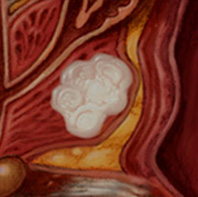 Ten years ago, the late Dr. William Fair, a
 Its effectiveness is controversial, but vitamin B6 (pyridoxine) is often used as an option before committing to surgery,
 A few years ago, a review of 30 studies of healing touch
 Professor Michel Tournaire and Dr. Anne Theau-Yonneau have
 During a cruise last spring I took some classes in Pilates. We used blue spongy yoga mats, and I remember thinking to myself each time I picked one from the pile in the corner, “Are these things ever cleaned?
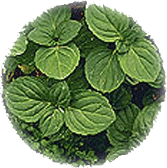 In general, past entries on this topic were positive, although peppermint oil gets a “C”
 Here are the
 Researchers from Oregon Health and Science University in Portland have published an
 Researchers are studying the potential of snacks as vehicles to deliver more eicosapentaenoic acid, (EPA) plus docosahexaenoic acid (DHA) and conjugated linoleic acid (CLA) in snacks.
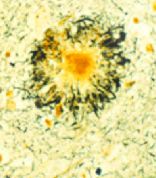 Researchers from Rush University Medical Center in Chicago have