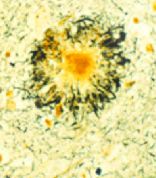
“Several studies have pointed to vitamin E as possibly protective against … dementia,” according to Dr. Neil Buckholtz who is head of the Dementias of Aging Branch at the National Institute on Aging. “The only way this association can really be tested is through clinical studies and trials.”
Researchers at Rutgers University in New Jersey report that overweight premenopausal women don’t lose bone when they diet if they take the recommended amount of calcium.
Peripheral neuropathy is the most common neurological complication in HIV, and it’s often associated with antiretroviral therapy. Patients experience muscle weakness and atrophy, pain, and numbness.
That’s right. Treatment with beta-carotene, vitamin A, and vitamin E might increase mortality. The potential roles of vitamin C and selenium on mortality need further study.
These are the findings from the latest literature review and analysis published in The Journal of the American Medical Association (JAMA).
The average person consumes 25 to 50 mg of quercetin a day. In this double-blind study, 20 cyclists took 1,000 mg of quercetin a day or placebo for five weeks.
During the most recent meeting of the American College of Chest Physicians Dr. Paul Blanc from the University of California at San Francisco reported that half of all people with asthma use CAM.
In 1993, Senator Orrin Hatch said, “most of these [herbal remedies] have been on the market for 4,000 years, and the real issue is risk. And there is not much risk in any of these products.”
Dr. Steven Thomas and his team from the University of Bristol in the U.K. found that neither dietary modifications nor nutritional supplements such as vitamins, antioxidants, retinol, and garlic alter the disease course of patients with cancer or preinvasive (precancerous) lesions. Their conclusion is based on an analysis of 59 generally low quality trials.
“We should not,” Dr. Thomas concluded, “maintain the notion that nutritional interventions can be promoted because at least they will do no harm.”
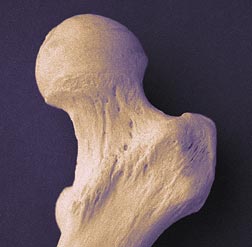
A review of 13 randomized controlled studies reported, “supplementation with phytonadione and menaquinone-4 reduces bone loss. In the case of the latter, there’s a strong effect on incident fractures among Japanese patients.”
The FDA is cracking down on companies that sell quinine-containing products such as Qualaquin for non-approved uses. Their concern is over the risks of quinine to treat leg cramps.
The Harvard Medical School Family Health Guidewarns, “The daily multivitamin pill is no substitute for a good diet. But none of us is perfect when it comes to healthful eating … The multivitamin is partial protection from our lapses.”
Their value is debated, but here’s the bottom line.
During a seminar at the American Heart Association 2006 meeting titled “The Science Behind Popular Nutrition Claims,” medical researchers summarized the research on a number of complementary options to “help maintain a healthy heart.”
Here is a summary of the Medscape article. Links to more info are highlighted.
A study in northern India shows that milk fortified with specific micronutrients lowers the risk of diarrhea and acute lower respiratory illness in children.
High blood levels of the amino acid called homocysteine are thought to increase the risk for heart disease by damaging the lining of blood vessels and increasing blood clotting.
Despite this, the American Heart Association doesn’t recommend widespread use of folic acid to lower homocysteine blood levels.
 “Several studies have pointed to vitamin E as possibly protective against … dementia,” according to Dr. Neil Buckholtz who is head of the Dementias of Aging Branch at the National Institute on Aging. “The only way this association can really be tested is through clinical studies and trials.”
 Actually, they
 Researchers at Rutgers University in New Jersey
 The American Heart Association and the American Diabetes Association each published guidelines for cardiovascular disease prevention.
 Peripheral neuropathy is the most common neurological complication in HIV, and it’s often associated with antiretroviral therapy. Patients experience muscle weakness and atrophy, pain, and numbness.
 That’s right. Treatment with beta-carotene, vitamin A, and vitamin E might increase mortality. The potential roles of vitamin C and selenium on mortality need further study.
 Quercetin
 s?
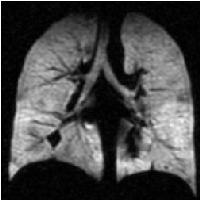 During the most recent meeting of the American College of Chest Physicians Dr. Paul Blanc from the University of California at San Francisco reported that half of all people with asthma use CAM.
 In 1993, Senator Orrin Hatch said, “most of these [herbal remedies] have been on the market for 4,000 years, and the real issue is risk. And there is not much risk in any of these products.”
 MayoClinic.com has
 A
 The FDA is
 Functional Foods & Nutraceuticals has
 The Harvard Medical School Family Health Guide